
You’ve seen the under-eye patches all over K-beauty routines, little hydrogel crescents that promise to erase tired eyes, and you want to know if they do anything before you spend on a box. Here’s the honest answer, plus what actually moves the needle on under-eye lines.
The short version: Korean eye patches genuinely work for hydration, de-puffing and a temporary smoother look, and they genuinely don’t erase wrinkles or dark circles for good. Both things are true, and knowing the difference is how you avoid being disappointed.
Do Korean eye patches really work?
Yes, for what they’re designed to do: hydrate, de-puff and temporarily smooth the under-eye area. A hydrogel patch holds a gel loaded with water-binding ingredients against the thin skin under your eye for 20 to 30 minutes, so the area looks plumper and less tired right after you peel it off.
That immediate effect is real, and it’s why they’re a favorite before a big day. In K-beauty buyer reviews, people describe the under-eye feeling softer and a bit plumper after 20 to 30 minutes, with puffiness and the look of fine lines eased.
The limit is just as real. The same users note the patches don’t magically remove dark circles or wrinkles, and the plumped look fades over the day because most of it is surface hydration. Treat a patch as a quick, temporary boost, not a cure for aging skin.
What’s actually in them, and what each ingredient does
The patches that do more than hydrate earn it through their ingredient list, so it’s worth knowing what to look for.
Peptides are the fine-line ingredient. Ingredients like acetyl hexapeptide-8 are included to soften the look of expression lines, and they’re the reason some patches claim a wrinkle benefit rather than pure moisture.
Hyaluronic acid and caffeine do the instant work. Hyaluronic acid binds water for that plumped finish, and caffeine helps reduce the look of puffiness, which is the fast effect you see straight after removal.
Ginseng, retinal and collagen are the “anti-aging” add-ons. Brands like Beauty of Joseon and COSRX build patches around these for firming and brightening over time. Beauty of Joseon even cites about a 20% reduction in the look of wrinkles over two weeks of regular use, which is a gradual, consistency-driven claim, not an overnight one.
What is the best Korean eye patch for wrinkles?
For fine lines specifically, pick patches that pair peptides, retinal or collagen with the hydration, not hydration alone. The most-cited options are Beauty of Joseon’s Revive patches (ginseng and retinal) and COSRX’s peptide collagen hydrogel patches.
The thing that actually decides results, though, isn’t the brand. It’s whether you use them regularly over weeks. Wrinkle-focused patches work gradually, so a box used consistently beats a fancier box used twice.
What do Koreans use for under-eye wrinkles?
A layered daily routine, with patches as the occasional boost rather than the main event. The steady work happens between patches: daily hydration, targeted serums and sun protection.
In practice that looks like a hydrating essence or eye cream morning and night, a peptide or retinal serum a few nights a week, diligent SPF every day (one of the biggest factors in slowing new lines), and hydrogel patches as a weekly or pre-event treat.

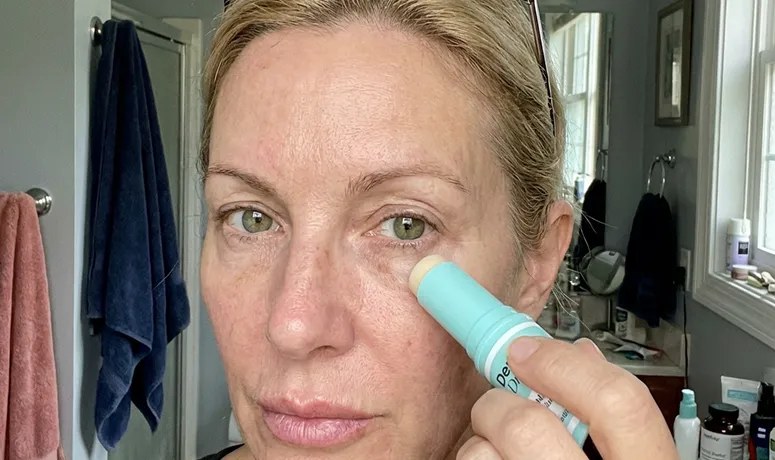
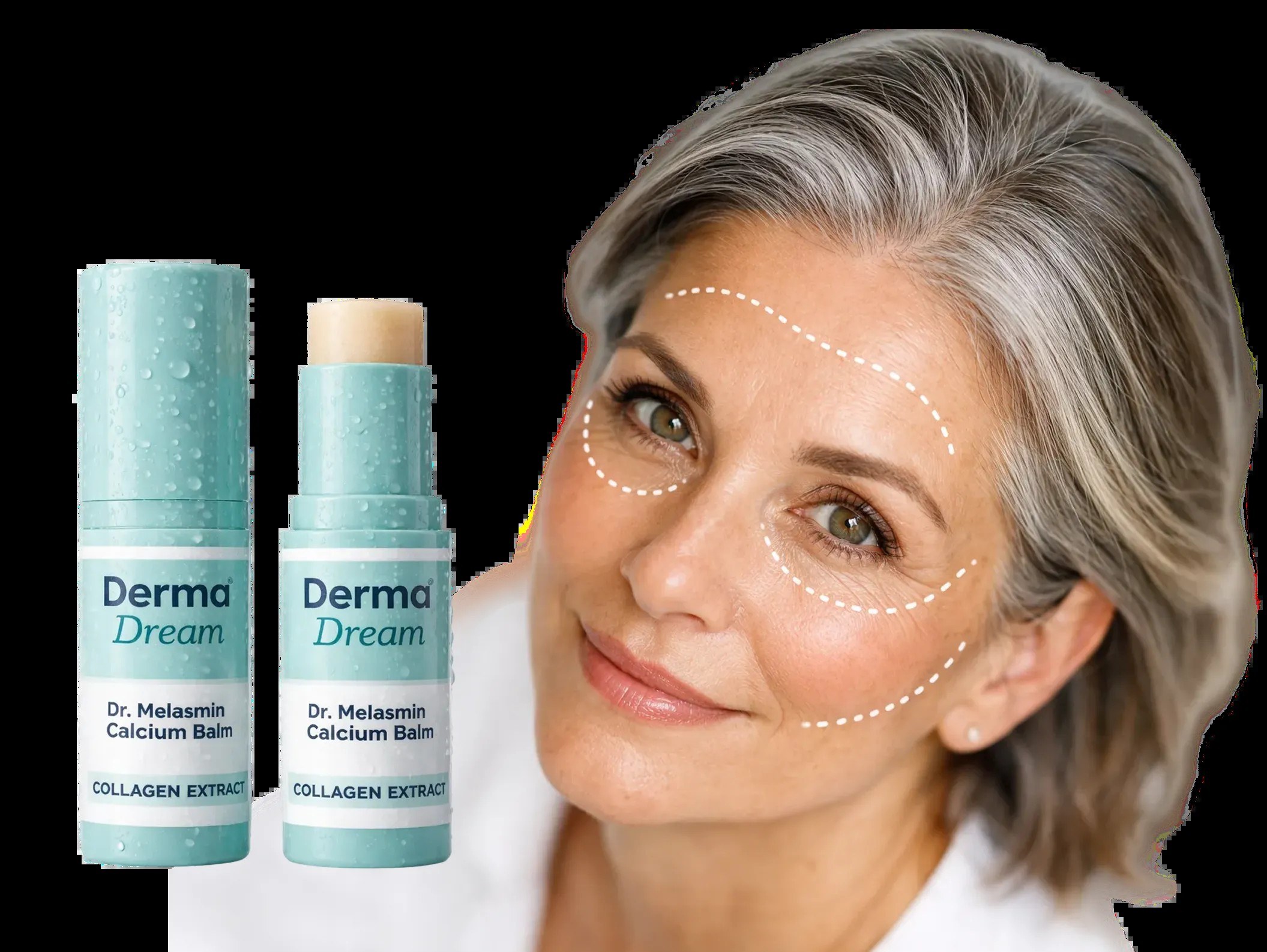
If the patch routine feels fiddly, or you want the everyday hydration without peeling open a packet each time, a daily Korean under-eye balm is the natural counterpart. One we’ve looked at closely is the Dr. Melasmin Calcium Stick, a Korean twist-up balm carried by adenosine, an ingredient recognized in Korea for the look of fine lines. It’s the kind of daily product that does the steady work patches only do in bursts, and it’s mess-free enough to actually keep up. For more options in that format, see our roundup of the best under-eye balm sticks.
How to get the most from eye patches
A few habits make the difference between a patch that works and one that disappoints.
Use them on clean skin so the hydrogel makes full contact, and leave them on for the 20 to 30 minutes the pack suggests, no longer, since a drying patch starts pulling moisture back out.
Pat in the leftover essence rather than rinsing, then follow with your eye cream or balm to seal it. And chill the patches in the fridge first if puffiness is your main concern, since the cold does extra de-puffing work.
The honest takeaway
Korean eye patches really do work, as long as you ask the right thing of them: an intense, temporary hit of hydration that leaves the under-eye looking fresher, plumper and smoother for a while. They are a boost, not a fix.
For actual change in under-eye lines over time, the daily routine is what counts, patches a few times a week plus a consistent daily product and SPF. If you want to sort out the everyday piece, our guide to the best under-eye products for bags and puffiness covers tighteners, serums and balms side by side, and the beauty hub has the rest of the routine.