
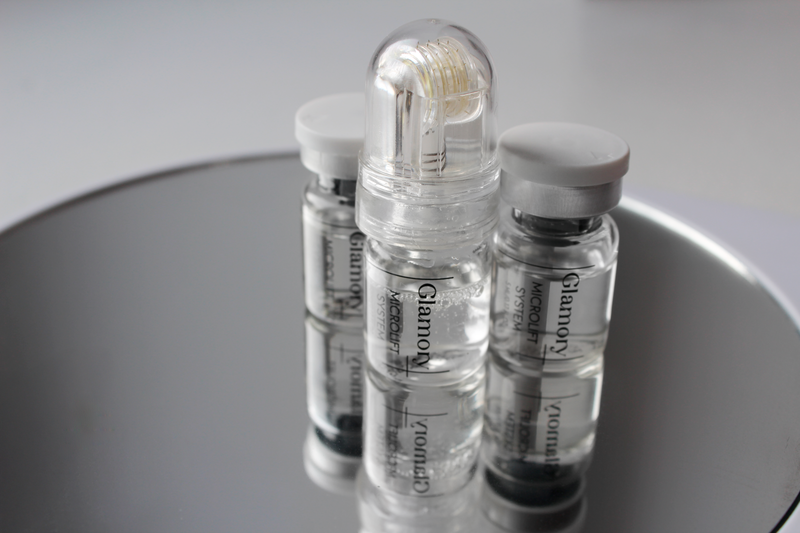
Micro-infusion promises a clinic-style glow at your bathroom sink: press a serum past the surface of your skin with a stamp of tiny gold needles instead of hoping it soaks in. With at-home kits now selling for around $36, the obvious question is whether any of that actually does anything.
So, does micro-infusion work? The honest answer is yes for some things and no for others, and knowing the difference saves you money and disappointment. This guide walks through what micro-infusion really is, what the science supports, and what you can realistically expect from a home device.
We based it on how the technique works, dermatology guidance on microneedling, and the specs and buyer feedback from the at-home kits people actually use. No needles went into anyone’s face here, so the claims trace to the science or to real users.
What micro-infusion actually is
Micro-infusion is microneedling and serum delivery in one step. A stamp or roller studded with very short needles creates thousands of tiny micro-channels in the top layer of skin, and in the same pass it pushes a serum down into those channels. Instead of a serum sitting on the surface, more of it reaches past the barrier.
The at-home versions, like the 24k-gold stamps sold by Glamory and RenewaSkin, use short needles in the 0.3mm to 0.5mm range (Glamory lists 0.5mm, RenewaSkin 0.3mm). That gentle length is the whole story. At that shallow depth the needles are far shorter than the up-to-2.5mm depth a motorized microneedling pen can reach, and nowhere near the depth a clinic works at. These are cosmetic tools, not medical devices.
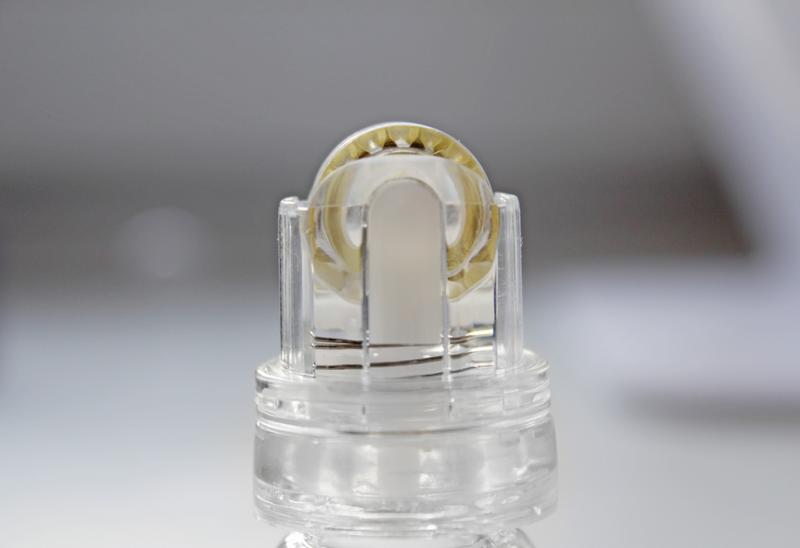
The serums are usually a hydration-and-peptide blend: hyaluronic acid, hydrolyzed collagen, peptides and niacinamide are common. The point isn’t to damage skin, it’s to deliver that blend a little deeper than a normal serum goes.
What the science actually supports
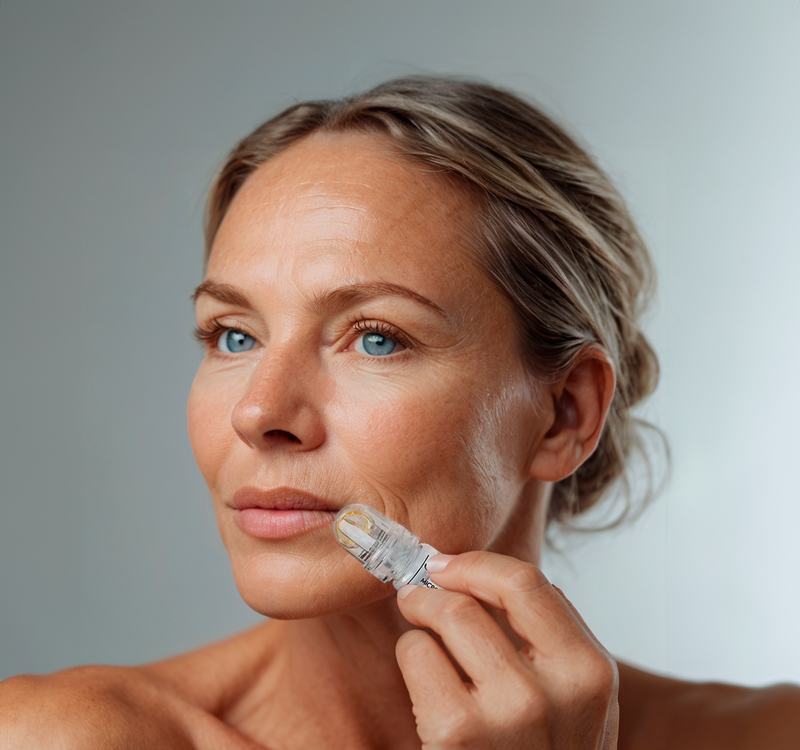
Two claims hold up well. First, microneedling genuinely improves how much product penetrates the skin, that’s the established mechanism behind the whole category. Second, deeper (clinical) microneedling has real research behind it for stimulating collagen over a course of treatments.
The catch is depth. Most of that collagen research involves needles longer than the 0.3mm to 0.5mm of a home stamp, so you can’t assume a gentle at-home roll delivers clinical results. What a shallow home device reliably gives you is better serum absorption, an immediate plumped glow, and smoother-feeling skin that builds gradually with steady use.
What it won’t do is erase deep wrinkles, fade scars, or substitute for a dermatologist. Brands often cite figures like “up to 300% better absorption” or “4.8 stars from thousands of users,” but those are self-reported marketing numbers, not independent lab results. Read them as a pitch.
What you can realistically expect
Set the bar at “glow ritual,” not “miracle.” The morning after a session, skin usually looks more radiant and feels smoother, and that effect is real and immediate. Over weeks of consistent use, spaced roughly a couple of weeks apart, some people see a subtle firming. The keyword is subtle, and it fades if you stop.
There’s a running cost to factor in, too. Home kits use a single-use needle head and a single-use serum vial per session, so every treatment burns a consumable. That’s fine if you value the routine, but go in thinking it’s a one-and-done gadget and the refill math will annoy you.
Honestly, the people most satisfied with micro-infusion are the ones who wanted a quick, pleasant glow boost and a reason to be consistent with a good serum, not the ones expecting to cancel their dermatologist.
Is it safe, and who should skip it?
For healthy skin, a shallow home stamp is generally low-risk when you use a fresh sterile head each time and follow the steps: cleanse, prime the head with a shake, roll in light passes, and don’t go back over the same spot. A minority of users report redness or temporary irritation, so patch test first if you’re sensitive.
Skip it entirely over active acne, cold sores, eczema or rosacea flares, broken skin, or if you’re on isotretinoin. And if your real goal is treating acne scars or deep texture, that’s a job for a professional or a deeper device, not a gentle cosmetic roll.
Is at-home micro-infusion worth it?
If you want the in-office experience, a clinic AquaGold-style micro-infusion facial runs $300 to $500 a session and a trained hand will outperform a home kit. If you want a low-cost glow ritual you can do yourself, a home device makes sense: it costs a fraction of that per treatment for the gentle, at-home version of the same idea.
The most popular budget entry point is the Glamory MicroLift, a 24k-gold stamp that lands at roughly $18 a treatment in its bundle. We cover exactly what it does, the billing complaints to avoid, and whether it’s worth it in our full Glamory review, and we rank it against the pricier kits in our best micro-infusion system guide. If you’re weighing two near-identical gold stamps, our Glamory vs RenewaSkin comparison breaks down the difference.
See today's Glamory priceThe bottom line
Micro-infusion works for what it honestly promises: better serum delivery, an immediate glow, and smoother skin that improves gradually with regular use. It doesn’t work as a wrinkle eraser or a dermatologist replacement, and the marketing numbers oversell it.
Buy into it as an affordable glow ritual, keep a fresh head on every session, and give it a couple of months before you judge. On those terms it’s a satisfying addition to a routine. For the other at-home tools people pair with it, the devices in our best at-home microneedling devices roundup round out the picture, with the rest in our beauty hub.