
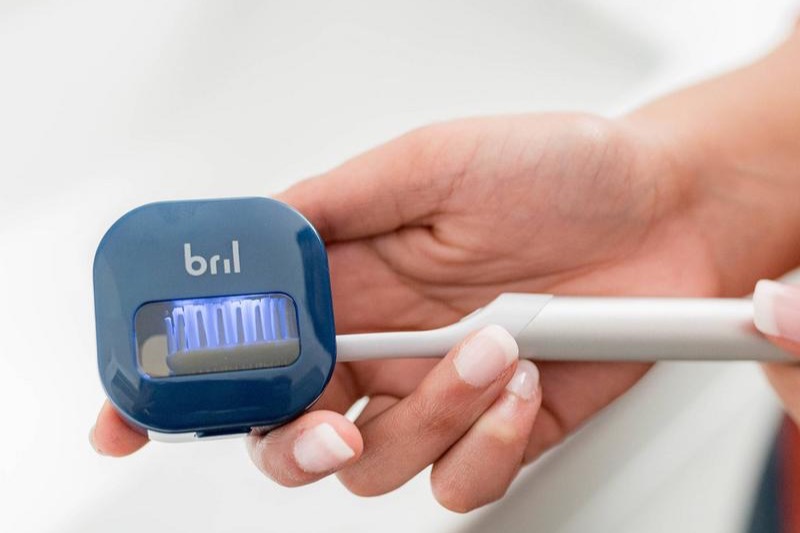
Your toothbrush lives in a wet, warm bathroom, inches from a toilet that sprays a fine mist every time it flushes. That image sells a lot of gadgets, and UV sanitizers are the glossiest answer to it. So it’s worth asking the plain question before you spend: does UV sanitizing actually work?
The short answer is yes, with an asterisk. The light is real germicidal technology, and studies show it genuinely cuts the bacteria on a brush head. But “kills germs” and “makes you healthier” are two different claims, and only one of them is backed by evidence.
This guide walks through the real science, where UV sanitizing helps and where it doesn’t, how to spot the fake devices flooding the market, and a cheaper trick that works nearly as well. Then, if you decide you want one, we’ll point you to a specific option worth considering.
Does UV sanitizing actually work?
Yes, in the sense that matters to a lab. UV-C light at germicidal wavelengths, around 254 nanometers, is absorbed by the DNA and RNA inside bacteria and viruses and knots those strands together, so the microbe can’t reproduce. It’s the same principle hospitals use to disinfect rooms and water plants use to treat drinking water.
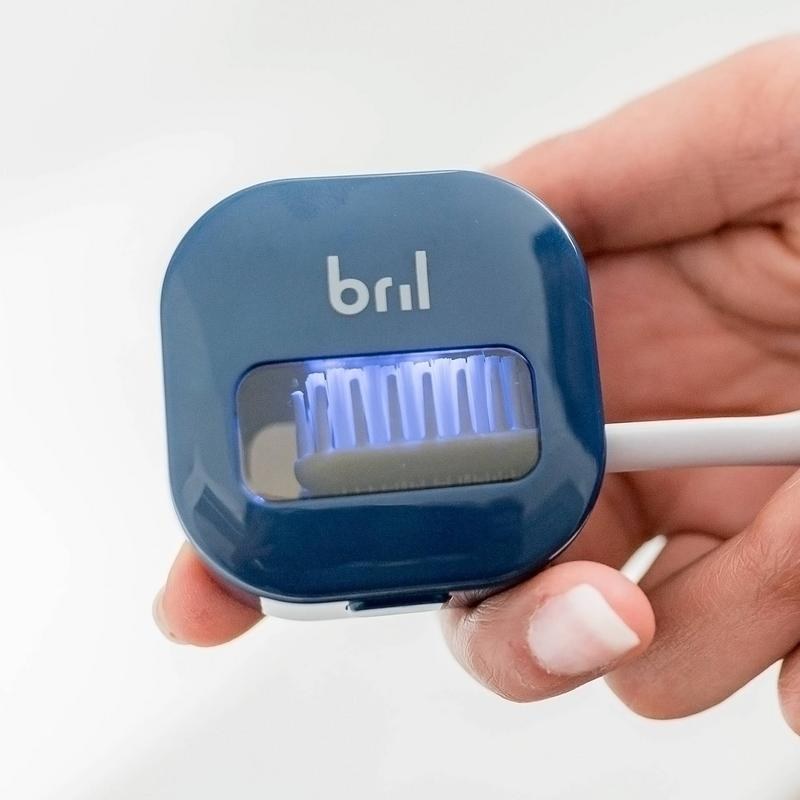
On toothbrushes specifically, the research holds up. In one investigator-blinded trial of 25 people, a UV toothbrush holder cut the total bacterial count on brush heads by an average of 86% over two weeks. A separate clinical comparison found a 7-minute UV cycle reduced bacteria more than soaking in either chlorhexidine or saline.
So the technology isn’t gadget magic. A UV-C LED sealed close to the bristles for a few minutes really does knock down the microbial load. That part is settled.
Why your toothbrush grows germs in the first place
Brushes collect bacteria for boring, physical reasons. They sit damp, they touch your mouth twice a day, and in most bathrooms they’re near a toilet, so flushing can loft airborne particles, including fecal bacteria, onto nearby surfaces. The ADA acknowledges all of this plainly.
Moisture is the real culprit. A brush that never fully dries stays a friendlier home for microbes than one that airs out upright between uses. That’s why the cheapest hygiene upgrade is simply letting your brush dry, no device required.
The honest catch: cleaner isn’t the same as healthier
Here’s the part the sales pages skip. A sanitizer can absolutely reduce the germs on your brush, and that still may not do anything for your health.
The American Dental Association’s position is blunt: there’s no evidence that the bacteria on a toothbrush cause adverse health effects, and no clinical evidence that sanitizing devices provide a health benefit. The ADA doesn’t endorse UV sanitizers. It only says that if you choose to buy one, pick a device cleared by the FDA.
There’s a simple reason. Your mouth already carries far more bacteria than your brush does, and a healthy immune system handles them every day. Reintroducing a few brush-head germs to the environment they came from isn’t the threat the marketing implies.
So the fair way to think about a UV toothbrush sanitizer is peace of mind and specific convenience, not disease prevention. For some people that’s worth it. For most, rinsing and air-drying is genuinely fine.
Where UV sanitizing genuinely helps
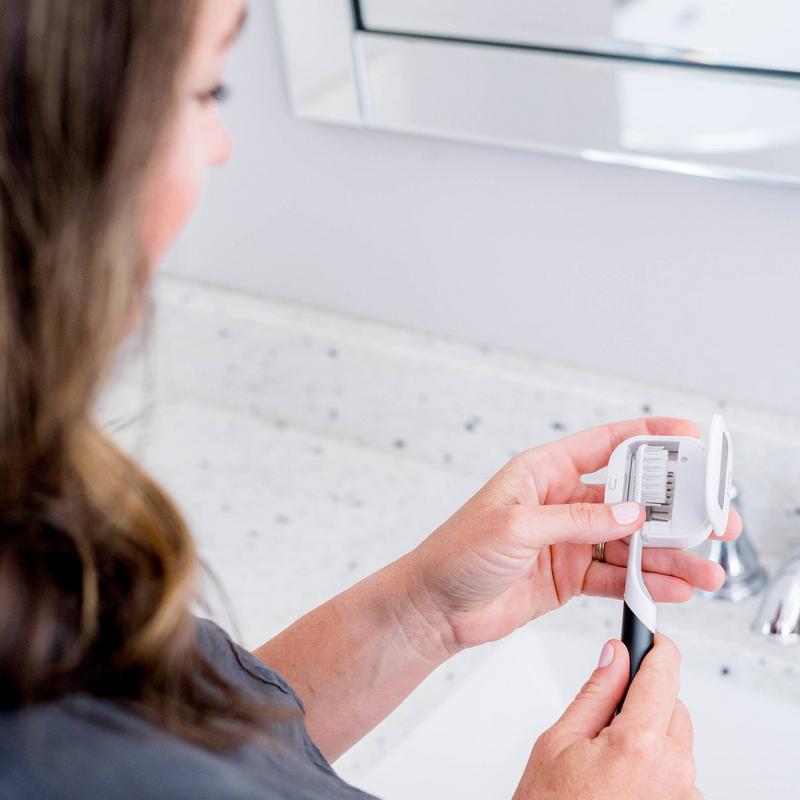
There are honest use cases where a sanitizer earns its spot. Shared bathrooms where brushes sit crowded together. Travel, where a damp brush gets sealed in a bag with everything else. Households where someone simply wants the reassurance and will use the routine.
To get the most from any UV device, work with its limits. UV-C only reaches surfaces in direct line of sight, so dense bristles shadow the spots underneath, and toothpaste film blocks the light entirely. Rinse your brush before you dock it, and don’t expect the innermost bristles to get the same dose as the outer ones.
One thing UV never changes: you still need to replace your brush or brush head every 3 to 4 months, sooner if the bristles fray. No amount of light makes a worn brush clean well.
How to spot a fake UV sanitizer
The market is full of junk, and it’s easy to get fooled, because real germicidal UV-C is invisible. Any glowing blue or purple light you see is decorative. Plenty of cheap “UV” boxes pair a single weak UV-C LED with ordinary blue LEDs chosen to make it look like something is happening.
A few checks before you buy:
- Look for a stated wavelength in the germicidal range, roughly 250 to 280 nanometers, plus a listed exposure time. Vague “UV light” with no numbers is a red flag.
- Be wary of the bargain bin. Genuine UV-C LEDs aren’t cheap, so an ultra-low price often means underpowered or fake.
- Avoid ozone. Some lamps emit ozone, a lung irritant you don’t want in a small bathroom.
- Mind the safety design. The FDA has warned that some hand-held UV wands emit unsafe radiation that can burn skin and eyes in seconds. A sealed case that shuts the light off when you open it is far safer than an open wand. Never look into a UV-C source.
A cheaper alternative that works nearly as well
Before you spend on a device, know that a near-free method comes close. The ADA points out that soaking a brush in an antibacterial mouthwash or 3% hydrogen peroxide reduces bacterial load by about 85%, which is in the same range as UV devices.
Between that, a good rinse, and drying your brush upright in the open air, you’ve covered most of the hygiene benefit for the cost of a bottle of mouthwash you probably already own. A UV sanitizer is a convenience upgrade on top of that, not a replacement for the basics.
If you want one: a UV toothbrush sanitizer worth a look
If you’ve weighed all that and still want the set-and-forget convenience, the one we’ve looked at closest is Bril, a palm-sized case that caps your brush head and runs an automatic UV-C cycle. It uses real germicidal UV-C, runs about a 3-minute cycle, holds roughly a 30-day charge, and doubles as a magnetic mount or travel cover, which is genuinely its best trick.
Two honest notes carry over from the science above. Its headline “99.9% of germs” figure is the company’s own testing, not an independent lab result, and the reviews are split: Bril rates about 4.4 stars on Amazon but far lower on Trustpilot, where buyers flag shipping and durability issues. It’s a nice-to-have gadget, priced fairly in a multipack, not a health necessity.
For the full breakdown of pricing, the electric-brush fit problems, and whether it’s worth it, read our complete Bril toothbrush sanitizer review, where we weigh the 4.4-star Amazon base against the angrier Trustpilot page in detail.
The bottom line
Does UV sanitizing actually work? Yes: the UV-C light really does reduce the germs on your toothbrush, and the studies back it. What it doesn’t do is make a healthy person measurably healthier, which is why the ADA treats it as optional rather than recommended.
Buy one if you value the convenience and reassurance, especially for travel or a shared bathroom, and choose a sealed, FDA-cleared device with a real stated wavelength. Skip it if you’re expecting protection from getting sick, because a rinse, a mouthwash soak, and a fresh brush every few months already do the important work. For more practical home and health gear, browse the home hub or our DentaStream water flosser review for the flossing half of a cleaner routine.