
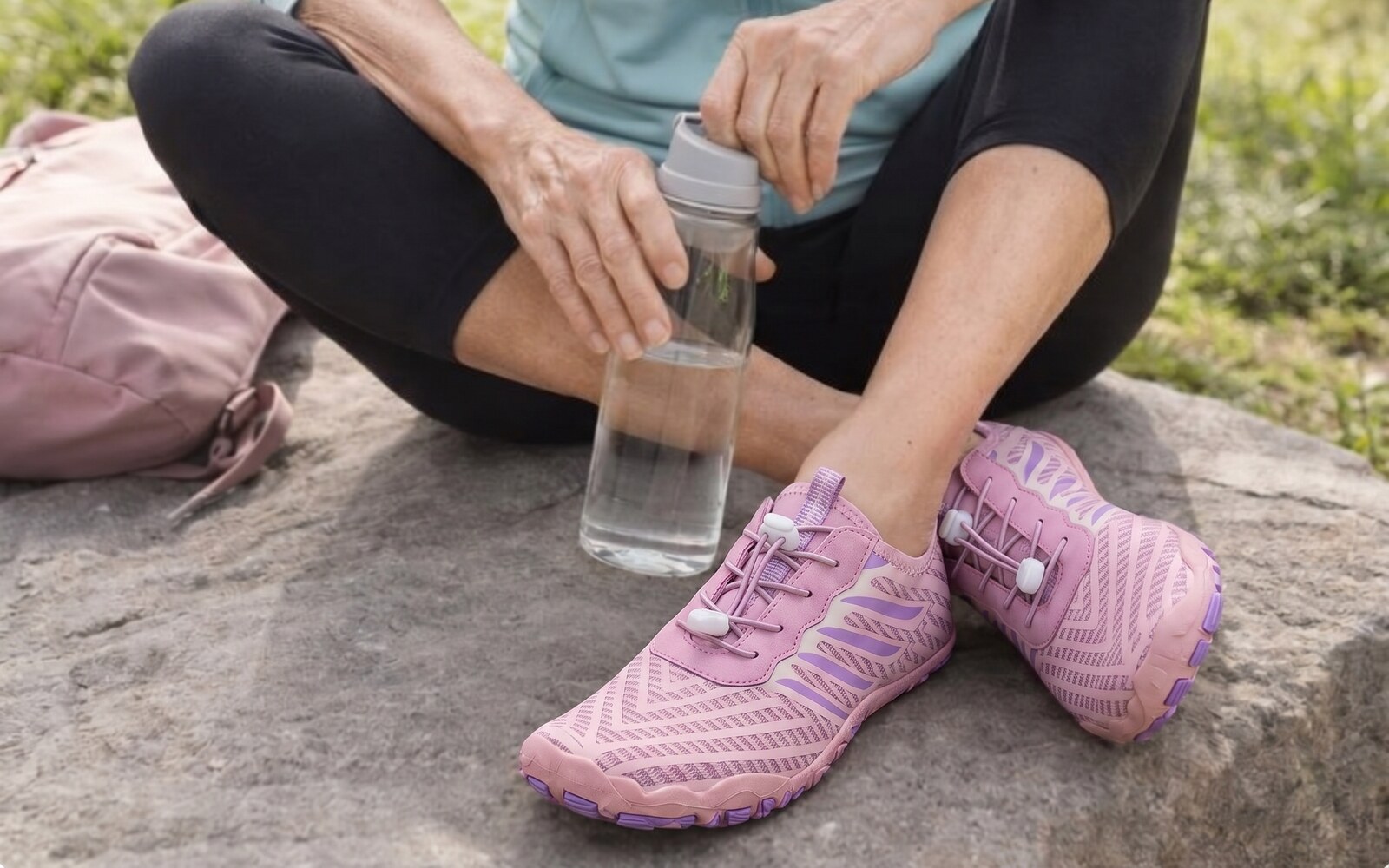
Your feet spend all day boxed into stiff, narrow, heel-raised shoes, and a pair of barefoot shoes promises to just let them be feet again. That’s why people search “Grounded Footwear review” before buying: is this a real barefoot shoe worth trying, or a dropship gamble?
For this review we read the brand’s specs and claims across its landing pages and official site, compared the price tiers, dug into the return terms, and weighed a long run of real buyer feedback. We didn’t wear them ourselves; this is research and analysis of what the shoes are and what owners report.
The headline up front: Grounded Footwear is a lightweight, zero-drop barefoot shoe that gets the fundamentals right for little money. If you’ve been curious about natural-movement footwear but didn’t want to spend Xero or Vivobarefoot prices, this is the low-cost way in.
What Grounded Footwear actually is
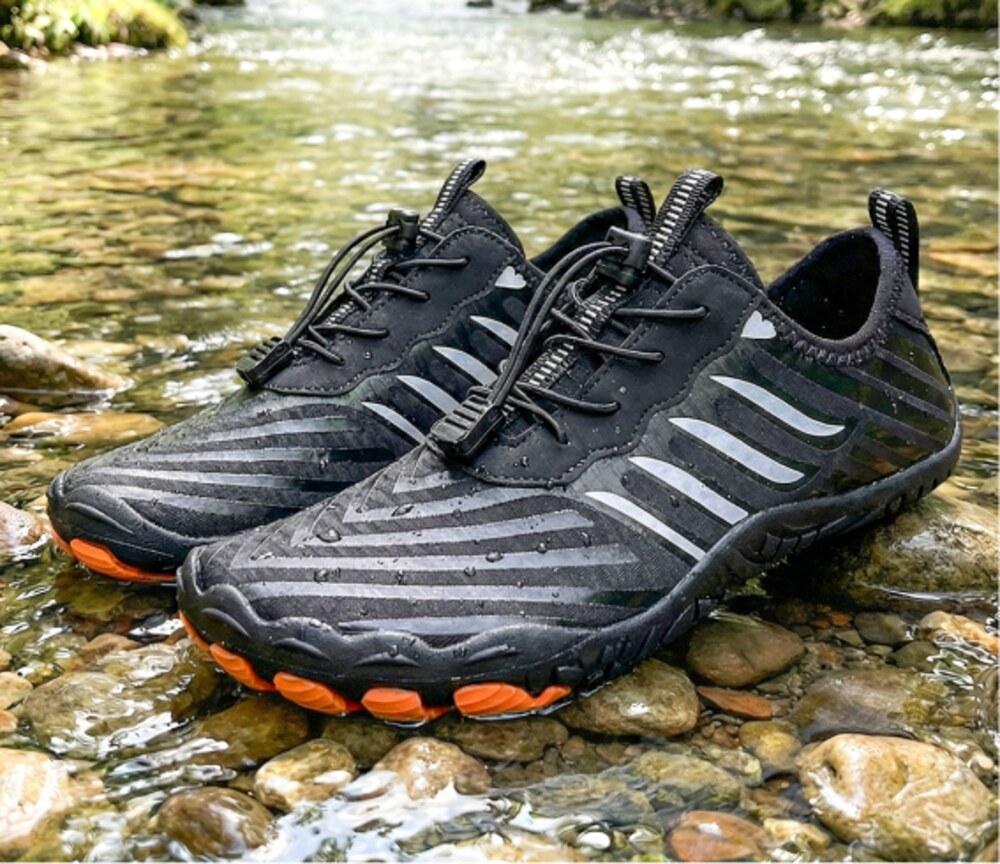
The Grounded Footwear shoe is a minimalist, foot-shaped barefoot shoe built on a zero-drop sole with a wide toe box, so your foot sits flat and your toes can spread. It’s a comfort-and-natural-movement shoe, not a medical device, and the line comes in a few builds at different prices.
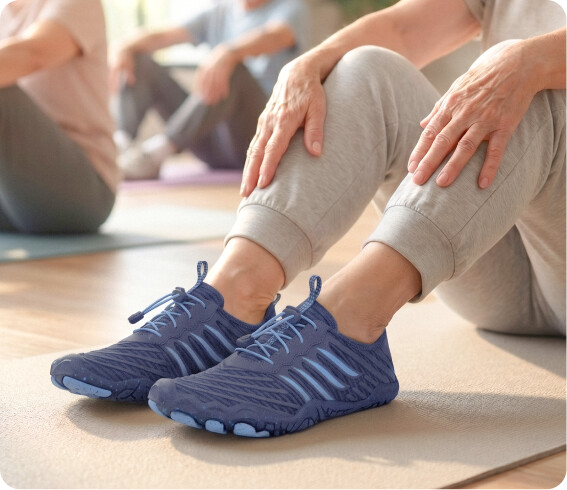
The two you’ll see are the Freedom and Glide, a breathable knit-mesh athletic shoe, and the upgraded Evolve, a leather slip-on-style version with an embossed logo. All of them share the same core: zero heel drop, a wide toe box, an ultra-flexible slip-resistant sole, and an elastic quick-lace you snug once and forget.
One honest clarification, because the name confuses people. These are “grounded” in the barefoot, close-to-the-ground sense. They do not have a copper plug or a conductive thread that electrically connects you to the earth, the way true earthing shoes like Earth Runners do. The brand’s own copy makes no earthing claim, so neither will we.
The zero-drop, wide-toe-box fit
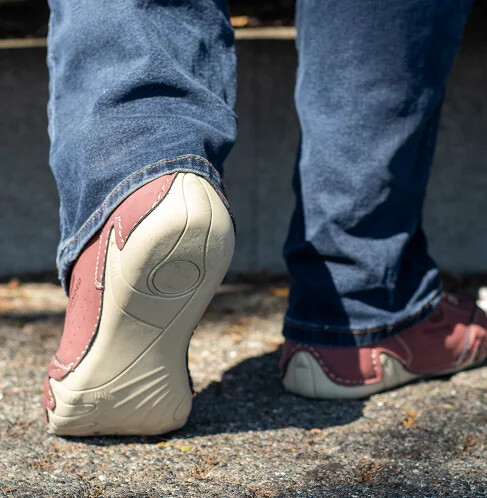
Zero-drop means the heel and the ball of your foot sit at the same height, the way they do barefoot, instead of the raised heel built into most sneakers. Pair that with a foot-shaped wide toe box and your toes get room to splay, which is the whole point of the category.
The sole is thin and genuinely flexible, so it rolls and bends with your foot rather than bracing it. Owners describe a “second-skin” feel, and the shoes are very light, the two things barefoot fans actually buy them for.
Here’s the part the sales page skips: this is a transition, not a swap. Coming out of cushioned, heel-raised shoes, your feet and calves need a few weeks to adapt, so ease in with short wears first. The brand says as much, and it’s the honest expectation to set.
Who it’s for, and the honest trade-offs
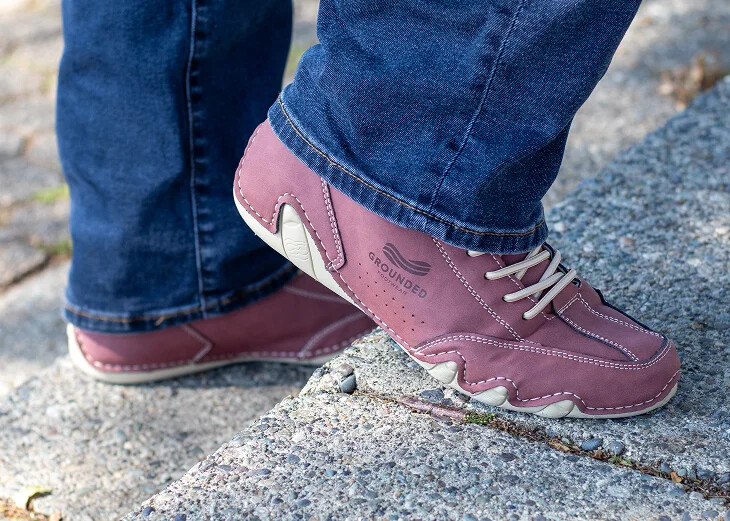
The Grounded Footwear barefoot shoes suit someone who wants the barefoot feel, a roomy toe box, and a light everyday shoe without paying premium-brand prices. If you want maximum cushioning or heavy-duty support, this isn’t that, by design.
The praise in reviews is consistent: comfortable, very lightweight, roomy, and easy to slip on, with several buyers saying their feet and balance feel better in them. The design is orthopedic-inspired, and that natural-alignment idea is the draw.
The honest criticisms are worth knowing. The common threads are durability over the long haul, less arch support than some expect, and sizing that catches people out. None of those are deal-breakers for a cheap first barefoot shoe, but they’re why you order one pair and check the fit before committing.
What Grounded Footwear costs
The line is priced to undercut the big barefoot brands. The standard mesh shoe sells at $49.99 and $69.99 depending on the build and the running discount, and the upgraded leather Evolve is $79.99. For comparison, Xero Shoes runs about $80 to $130 and Vivobarefoot sits around $150 to $250, so Grounded is the budget way to try the format.
| Model | Typical price | Build |
|---|---|---|
| Freedom / Glide | $49.99 to $69.99 | Knit-mesh athletic barefoot shoe |
| Evolve | $79.99 | Upgraded leather, slip-on style |
A note on the guarantee, because the brand isn’t consistent about it. The promotional pages advertise a 90-day money-back guarantee, while the official returns policy lists a 30-day window with items unworn and in original packaging and the customer covering return postage. Confirm the exact terms at checkout before you order, and keep the shoes boxed until you’ve decided.
What buyers are saying
The brand points to a 4.8 out of 5 rating across more than 13,427 customers, and the more conservative independent read is about 3.5 out of 5 on Trustpilot across roughly 2,200 reviews. Both can be true: happy buyers love the comfort and weight, while the lower independent score reflects the durability, support, and return-process gripes.
That split is the real picture of a budget direct-to-consumer barefoot shoe. You’re getting a genuinely comfortable, light shoe for well under premium prices, and the trade is a brand still building its durability reputation. Order one pair, give your feet the transition weeks, and judge from there.
Grounded Footwear vs the barefoot names
Grounded Footwear plays the value card against the established barefoot brands. It hits the same zero-drop, wide-toe-box fundamentals that Grounded Footwear shares with the category, for less money.
Xero Shoes is the closest rival on price and the better-known name, with a longer durability record and transition-friendly soles. Vivobarefoot is the premium, most durable option at a much higher price. We put the first match-up side by side in Grounded Footwear vs Xero Shoes, and the wider field is covered in our best grounding shoes roundup.
Pros and cons
What we liked
- True zero-drop sole and a genuinely wide, foot-shaped toe box for natural toe splay
- Very lightweight with an ultra-flexible sole, the barefoot second-skin feel owners buy it for
- Priced from $49.99 to $79.99, well under Xero and Vivobarefoot
- Orthopedic-inspired design with size exchanges, so you can dial in the fit
What we didn't
- Only available online
Who Grounded Footwear is for
The Grounded Footwear shoes are for the barefoot-curious: someone who wants a wide toe box, a zero-drop sole, and a light everyday shoe, and would rather spend $50 to $80 trying the format than $150-plus on a premium brand. Ease in over a few weeks and measure against the size chart first.
If you want the longest durability track record, a name like Xero or Vivobarefoot is the safer spend. For the rest of the natural-movement picks and more foot-comfort gear, the home hub gathers them.
Verdict
Grounded Footwear earns a 9.0. As a budget barefoot shoe it does the important things well: a real zero-drop sole, a wide toe box your toes can actually use, a light and flexible build, and a price that undercuts the big names.
Go in knowing it’s a transition, measure for the right size, and confirm the guarantee at checkout, and the Grounded Footwear line is the easiest, cheapest way to find out whether barefoot shoes are for you.
See the Grounded Footwear deal