
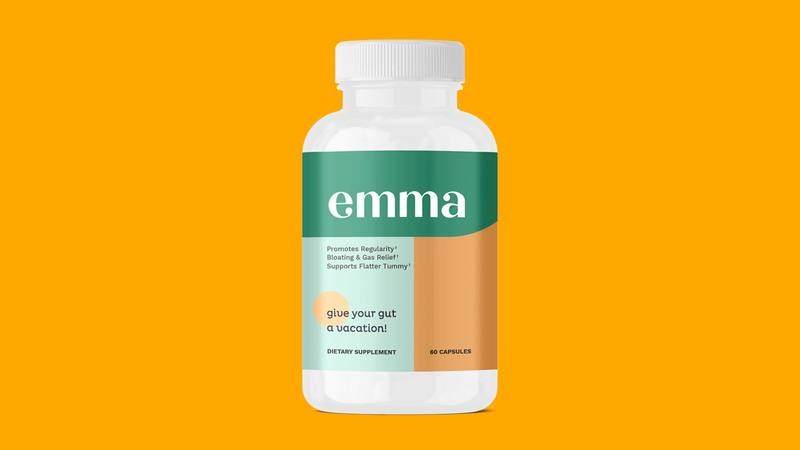
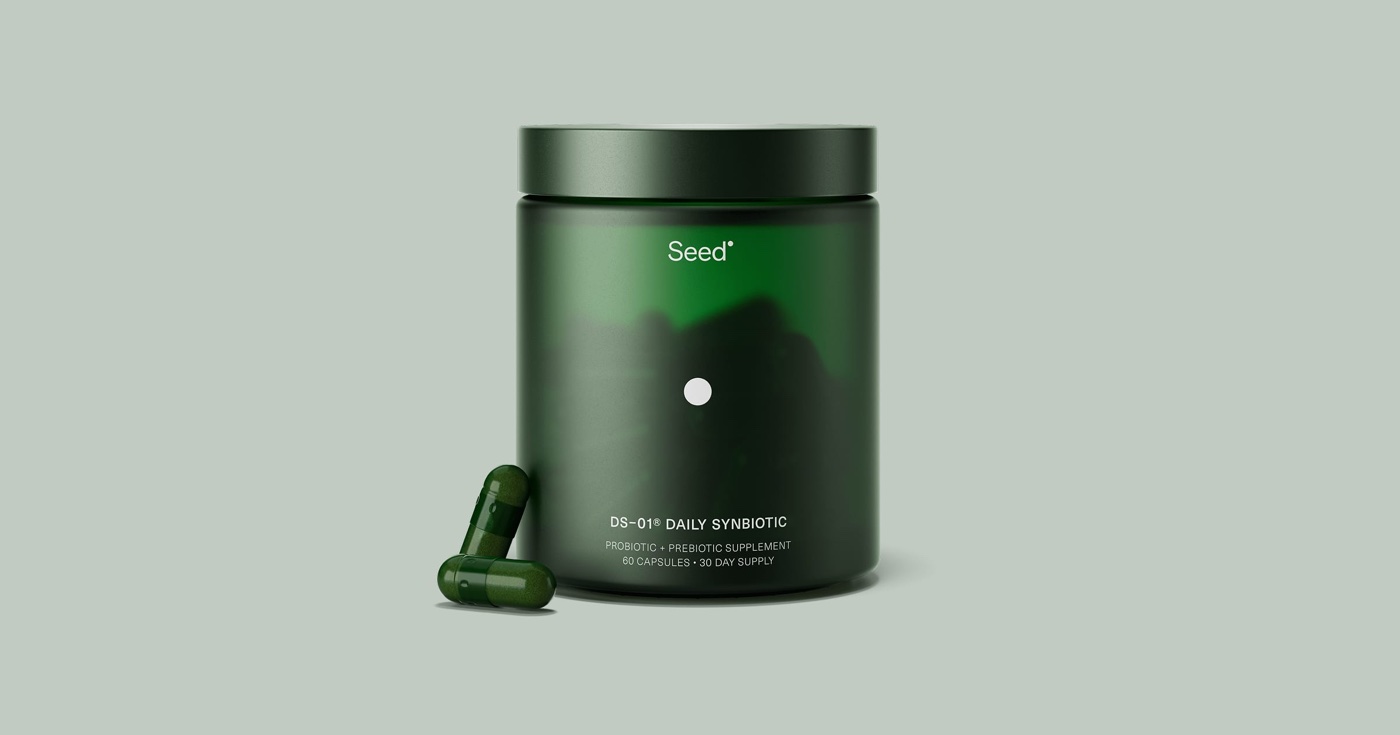
Cross-shopping Emma Relief vs Seed comes down to one fact these two “gut health supplements” don’t share: one adds bacteria, and the other doesn’t.
Emma Relief is a botanical digestive capsule from Enclave BioActives. It has no live bacteria in it. Instead it leans on ingredients like ginger, fennel, peppermint and DGL licorice that people have used to calm gas and bloating for a long time.
Seed DS-01 is the opposite approach. It’s a synbiotic, 24 probiotic strains plus a prebiotic, built to seed your gut with researched bacteria over time.
So the real question isn’t “which is better,” it’s “which approach fits your problem.” For this Emma Relief vs Seed comparison we read both ingredient labels, owner reviews on each side, and the pricing and subscription terms, weighting detailed feedback over drive-by one-liners.
The short version: if your issue is everyday bloating, gas and irregularity and you want a simple capsule you can buy once, Emma is the easier call. If you want a clinically studied probiotic for the long haul, Seed is built for that.
Emma Relief vs Seed at a glance
| Feature | Emma Relief | Seed DS-01 |
|---|---|---|
| Price | About $59–$79/bottle, less in bundles | $49.99/month |
| Type | Botanical digestive blend | 24-strain synbiotic (probiotic + prebiotic) |
| Live bacteria | None | 53.6 billion AFU |
| Key actives | Ginger, fennel, peppermint, DGL, berberine | 24 studied strains + prebiotic |
| How you buy it | One-time bundle or subscription | Subscription only |
| Diet | Capsule, 60 per bottle | Vegan, shelf-stable |
| Best for | Day-to-day bloating and regularity | A long-term microbiome habit |
| Our score | 9.1 / 10 | 8.6 / 10 |
What each one actually is
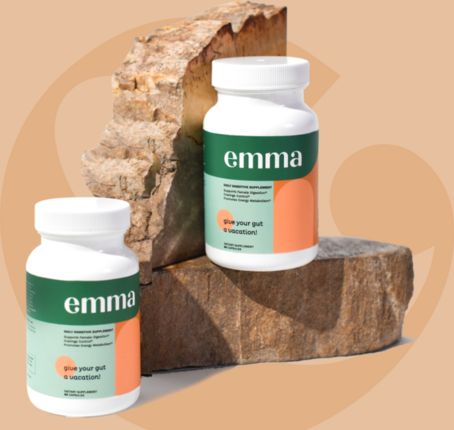
The Emma Relief capsule is a botanical blend, not a probiotic. Its label lists ginger, fennel and peppermint, the classic carminatives people reach for when they’re gassy, alongside DGL licorice, quercetin, chicory root inulin, star anise, berberine and resveratrol. There’s no live bacteria in it at all, which is the single biggest way it differs from Seed, and our full Emma Relief review digs into the formula and the guarantee.
Seed DS-01 is a synbiotic. You get 24 probiotic strains and a prebiotic, totaling 53.6 billion AFU, packed in Seed’s ViaCap capsule-in-capsule shell that’s designed to get the bacteria through stomach acid.
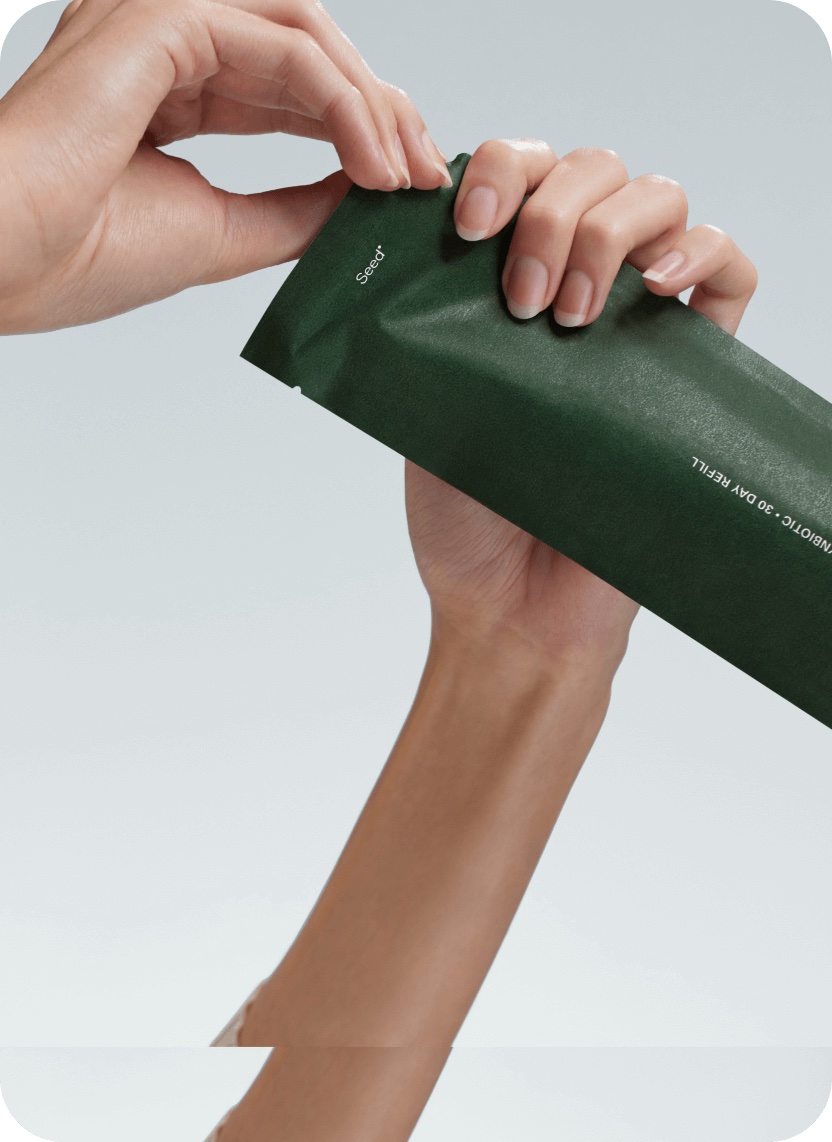
So the honest framing is this. Emma tries to soothe digestion with plant compounds. Seed tries to rebuild the bacterial mix in your gut. Different tools, different timelines.
Round by round
What's inside and how it works
Round result: TieThis one’s a genuine tie, because they’re solving the problem from opposite ends.
Seed’s case is the live strains. 24 studied strains at 53.6 billion AFU is a serious probiotic dose, and the ViaCap delivery is built so those strains actually survive to the colon.
Emma’s case is the botanicals. Ginger, fennel and peppermint are old-school digestive calmers, and DGL licorice is a soothing agent people use for stomach comfort.
Neither is “more correct.” If you believe your gut needs more good bacteria, Seed. If you want plant compounds that settle digestion without adding strains, Emma. Call it even.
Everyday bloating and gas
Round winner: Emma ReliefHere’s where Emma is built for the exact search that brought you here.
Its lineup reads like a targeted anti-bloat formula. Ginger and fennel are traditional carminatives, meaning they’re used to move gas out, and peppermint is a long-standing pick for a tight, gassy stomach. That’s Emma’s whole reason to exist.
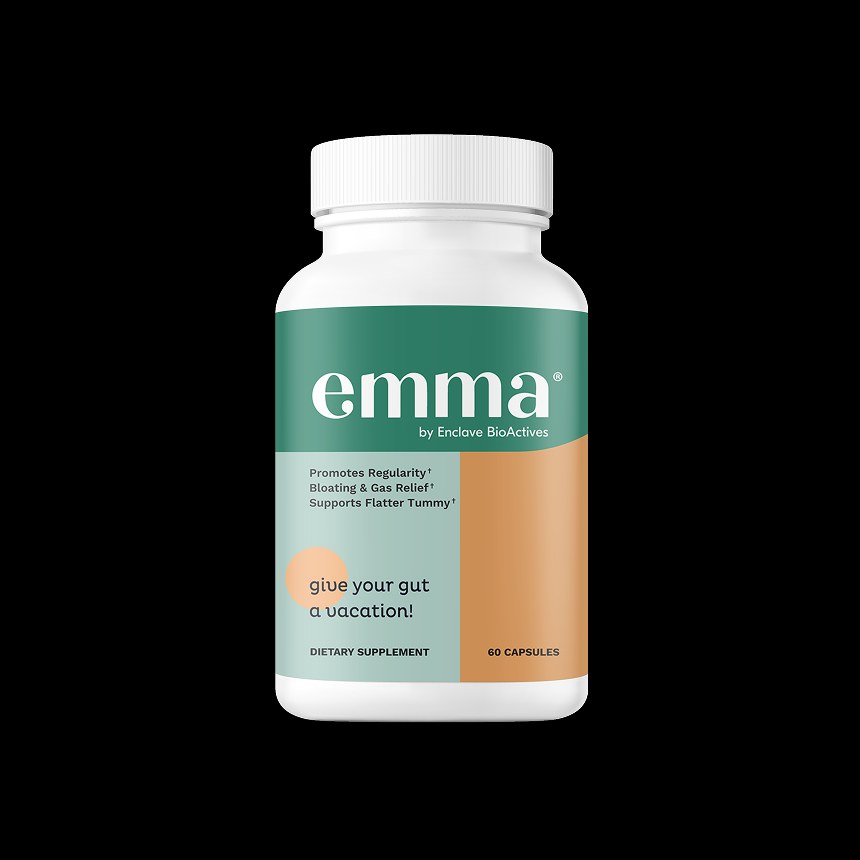
Seed absolutely helps here too, and Healthline notes its formula is clinically studied for bloating, gas and regularity. But it works by shifting your microbiome, which is a slower, more gradual process. If you want something aimed straight at today’s bloat, Emma is the more direct tool.
Price and how you buy it
Round winner: Emma ReliefMoney and commitment both matter, and Emma is the more flexible buy.
Seed is $49.99 every month, and it’s subscription-only, so there’s no way to just buy a single jar to try.
Emma runs about $59 to $79 for one bottle, which is more up front, but its multi-bottle bundles bring it down toward $39 to $49 a bottle, and you can buy those as a one-time order instead of locking into deliveries.
For a low-commitment trial or a cheaper per-bottle habit, Emma wins this outright.
The research behind it
Round winner: Seed DS-01Credit where it’s due, and this is Seed’s round.
Seed’s 24 strains are individually studied, and the jar is third-party tested, which makes it one of the better-documented probiotics you can buy. That’s a real edge.
Emma’s individual botanicals have traditional use and some supporting research, but the finished Emma formula isn’t backed by its own published clinical trials, and its official page carries the standard “these statements have not been evaluated by the FDA” disclaimer. If peer-reviewed backing is your deciding factor, Seed takes it.
Sticking with it
Round winner: Emma ReliefThe daily reality tips back to Emma, with one caveat for each.
Emma is a simple capsule habit, though a small share of buyers, roughly 4% in one review analysis, report stomach upset, diarrhea or nausea when they start, so ease in. Any new gut supplement can take a couple of weeks to settle, so give whichever you pick a fair run.
The bigger watch-out on both is billing. Emma’s subscription can auto-renew, and Trustpilot reviewers flag surprise renewals and return fees, so cancel deliberately if you only wanted a trial. Between a straightforward botanical capsule and a subscription-only probiotic, Emma is the easier one to just take and move on.
What owners say
Across roughly 1,488 Trustpilot reviews, Emma runs about 59% positive, with the steady themes being less bloating and easier regularity, and many reviewers reporting improvement within the first couple of weeks. The honest counterweight: around 16% of those reviews are negative, mostly about cost, subscription billing, or simply not feeling a change.
On Seed’s side, Healthline found it eased bloating and stayed easy to use even while traveling, helped by the shelf-stable jar. The main downside is simply the $50-a-month price.
The shared reality with any gut supplement: a minority on both sides feel nothing dramatic, which is normal for this category.
Pros and cons of picking Emma Relief
What we liked
- Targets everyday bloating and gas with traditional digestive botanicals (ginger, fennel, peppermint, DGL)
- Cheaper per bottle in bundles, dropping toward $39–$49, and available as a one-time order
- No probiotic-survivability gamble, since it doesn't rely on live strains reaching your colon
- Around 59% positive across roughly 1,488 Trustpilot reviews
What we didn't
- No live bacteria, so it isn't a microbiome builder the way Seed is
- The finished formula isn't backed by its own published clinical trials
- About 4% of reviewers report early stomach upset, diarrhea or nausea
- Subscription can auto-renew, with buyers flagging surprise renewals and return fees
Who should buy which
Choose Emma Relief if your problem is day-to-day bloating, gas and irregularity, you want a botanical capsule rather than a probiotic, and you’d rather buy a bundle once than commit to monthly shipments. That’s most people typing “emma relief vs seed,” and it’s why it wins here.
Choose Seed if you specifically want a clinically studied, 24-strain probiotic and you’re playing the long game on your microbiome. Seed sells directly at seed.com, subscription only.
Either way, watch the billing on both, because each one leans on recurring orders. If you want the wider field beyond these two, our best gut health supplement for 2026 roundup ranks the top pre, pro and postbiotic blends, and our best mushroom coffee roundup covers the coffee side of a broader gut routine.
Check today's Emma Relief price