

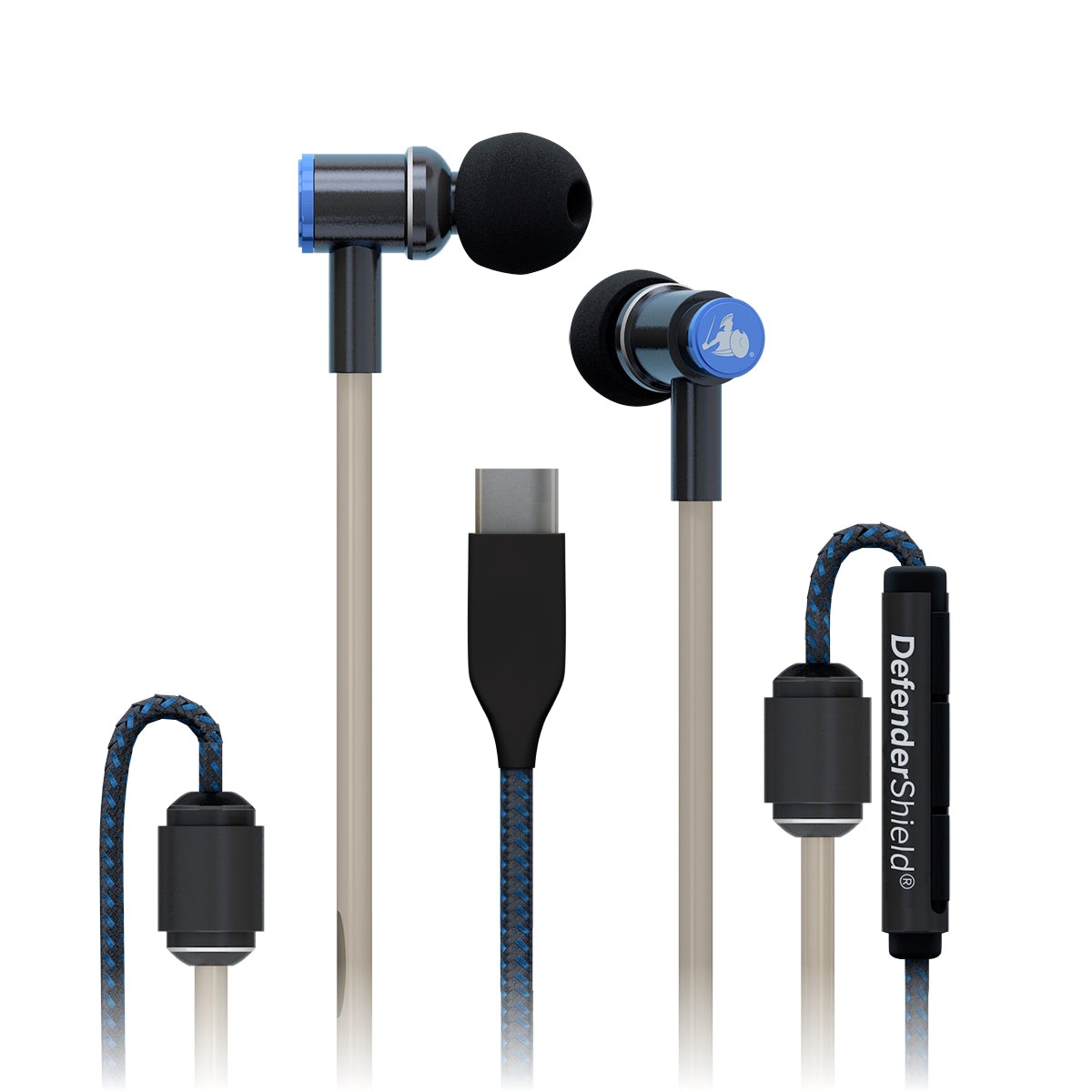
If you’d rather keep the electronics of your earbuds off your head, air-tube headphones are the simplest fix: they move the speaker down the cord and pipe the last stretch of sound to your ear through a hollow tube. Two brands own this niche, and they sit at opposite ends of the price range.
One is the premium build. The other is the value set that uses the same idea for far less. So in a SafeSleeve vs DefenderShield matchup, which anti-radiation headset is worth your money?
We compared both makers’ designs, their EMF-reduction claims, the sound and the prices, treating the radiation figures as each brand’s own lab-tested numbers rather than health promises. We didn’t test either ourselves. The short version: DefenderShield is the pricier, more engineered set, but the SafeSleeve headphones do the same core job with a mic and a guarantee for about a third of the cost.
SafeSleeve vs DefenderShield at a glance
| Feature | SafeSleeve Air-Tube Headphones | DefenderShield Air-Tube Headphones |
|---|---|---|
| Price | About $34.99 | About $89.99 |
| Design | Air-tube, electronics down the cord | Premium 7-inch air tube |
| Cord | Standard cable with inline mic | Copper-infused braided cord |
| EMF claim (brand-tested) | Up to 99% RF, 92% ELF reduction | Zero RF at the ear |
| Connection | 3.5mm (USB-C adapter sold separately) | 3.5mm or native USB-C |
| Guarantee | 30-day money-back, 1-year warranty | Retailer/brand return terms |
| Our score | 9.0 / 10 | 8.5 / 10 |
Two takes on the same air-tube idea
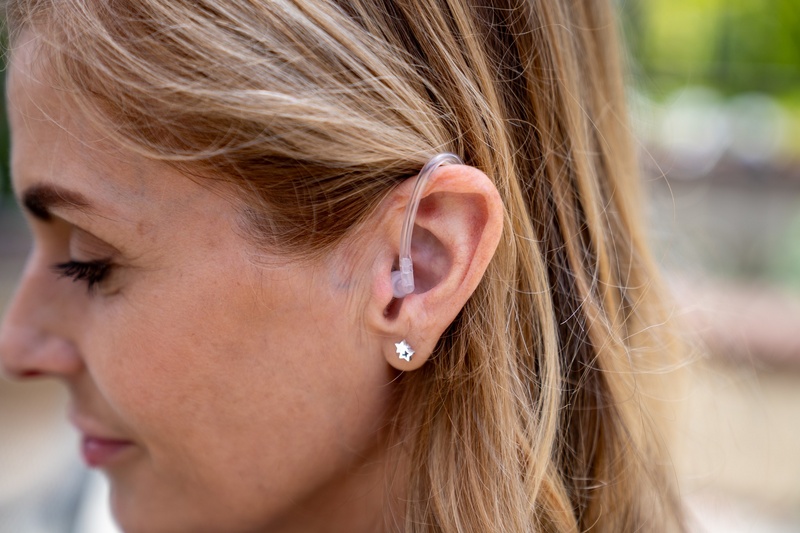
Both headsets are built on the same principle. A normal earbud puts a powered speaker and its wiring right in your ear. An air-tube headset stops the wire partway and runs the last stretch as a hollow tube, so sound arrives as air, like a stethoscope, and the electronics sit lower on the cord.
The SafeSleeve set keeps it simple and affordable: an air-tube design with an inline mic and volume control, a 3.5mm jack, a carry case, and a 30-day money-back guarantee plus a 1-year warranty. It’s endorsed by Dr. Michelle Jorgensen, DDS, and comes from a brand recognized in Oprah Daily’s 2026 Self-Care O-Awards for its phone case.
DefenderShield takes the premium route. It uses a longer 7-inch hollow air tube so the driver sits even further down, adds a copper-infused braided cord the brand says reduces ELF from the audio wire, and runs with no Bluetooth or battery at all.
The split is value versus build. SafeSleeve delivers the core method cheaply. DefenderShield engineers it further and charges for it.
Round by round
Price and value
Round winner: SafeSleeve Air-Tube HeadphonesThis one goes to SafeSleeve, decisively. At about $34.99 it’s roughly a third of DefenderShield’s $89.99, and you still get the air-tube design, an inline mic, and a carry case.
DefenderShield’s price buys a more premium build, but not a different core method, so the everyday function is similar for far less.
For getting the air-tube approach at the lowest cost, SafeSleeve wins clearly.
Build and engineering
Round winner: DefenderShield Air-Tube Headphones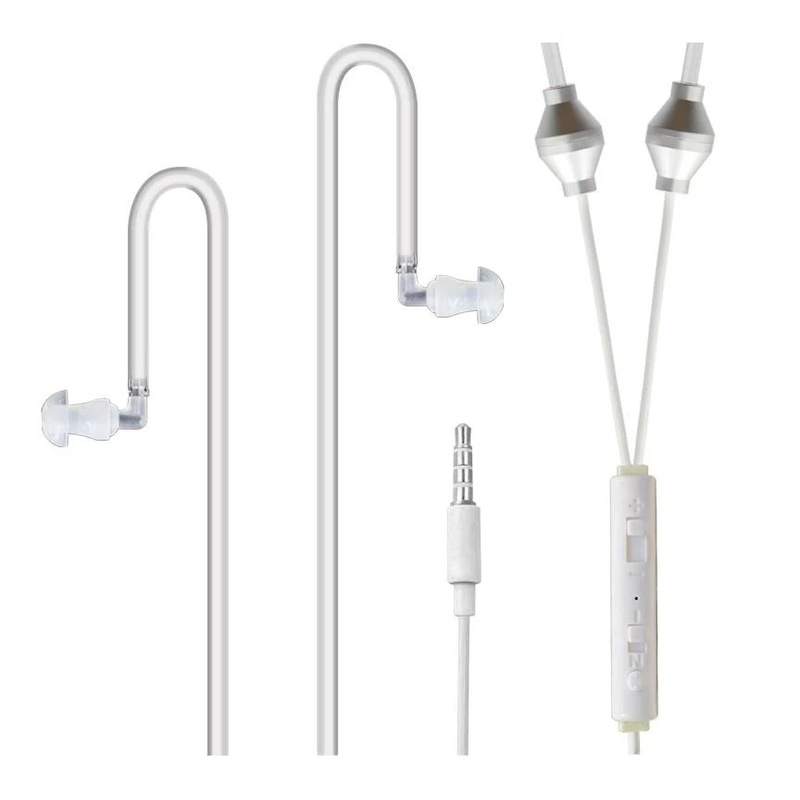
Here DefenderShield earns its round. Its 7-inch air tube pushes the driver further from your ear than a shorter tube, and the copper-infused braided cord is a genuine build upgrade the brand ties to lower ELF from the signal wire.
SafeSleeve’s construction is solid and does the job, but it’s the simpler, more everyday build.
For the more engineered hardware, DefenderShield takes it.
EMF-reduction claims
Round result: TieCall this one even, because both make strong brand-tested claims and neither is a health promise. SafeSleeve cites an independent FCC-accredited lab measuring up to 99% RF and 92% ELF reduction versus standard earbuds. DefenderShield says its design leaves zero RF at the ear because the speaker sits at the base of the tube.
Both figures come from the makers rather than independent head-to-head testing, so read them as each brand’s own numbers.
On claimed exposure reduction, they land level, so this round is a tie.
Features and peace of mind
Round winner: SafeSleeve Air-Tube HeadphonesSafeSleeve edges this on the extras. It pairs the mic and volume control with a 30-day money-back guarantee, a 1-year limited warranty, and a dentist’s endorsement, so trying it is low-risk.
DefenderShield includes a mic too and offers a native USB-C version, but its return terms vary by where you buy and it leans on brand reputation rather than a stated money-back window up front.
For a clear guarantee and a named endorsement, SafeSleeve takes it.
The honest scorecard
What we liked
- SafeSleeve: same air-tube method, electronics moved down the cord, for about $34.99
- SafeSleeve: inline mic, carry case, 30-day money-back guarantee and a dentist's endorsement
- DefenderShield: premium 7-inch tube and a copper-infused cord, a more engineered build
- DefenderShield: offers a native USB-C version with no adapter needed
What we didn't
- Only available online
Who should buy which
Choose DefenderShield if you specifically want the premium build, the longer 7-inch tube and the copper-infused cord, and you’re comfortable paying about $89.99 for that engineering.
Choose the SafeSleeve headphones if you want the same air-tube approach at the value price, with a mic, a 30-day guarantee and a doctor endorsement, for about a third of the cost. It’s the easy call for most people who mainly take calls and listen to podcasts. Our full SafeSleeve air tube headphones review covers the sound and fit, and our best anti-radiation headphones roundup lines both up against the rest. There’s more EMF-reduction gear in the home hub.
Either way, read the radiation figures as the brands’ own lab numbers, not proof of a health benefit, and pick the one whose price and build fit you.
Check today's SafeSleeve price