
The two things that ruin a first day abroad are a roaming bill you didn’t see coming and an airport WiFi page that wants your life story before it loads. A portable WiFi hotspot fixes both, if you buy the right one.
The trap is that every roundup quotes a device price and then goes quiet on the part that actually costs you: the data. A cheap hotspot on an expensive data plan is not a cheap hotspot.
So we compared the best portable WiFi hotspots for travel in 2026 on total cost of data, battery, coverage, and how many devices each keeps online, not just the sticker price. Three came out ahead, and the Ryoko Pro won for the traveler who just wants to land and be online.
The best portable WiFi hotspots for travel 2026 at a glance
- Ryoko Pro: Best for plug-and-play global coverage with no SIM juggling (prepaid data, no roaming)
- Netgear Nighthawk M6: Best for 5G speed and connecting a crowd ($499-plus, bring your own plan)
- Skyroam Solis Lite: Best for occasional trips on simple day passes (about $160)
1. Ryoko Pro: the easiest way to land online
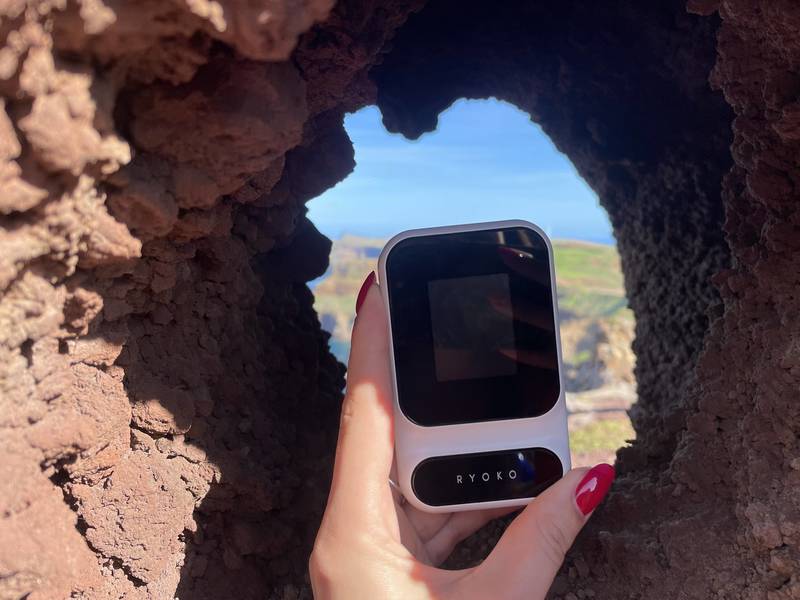
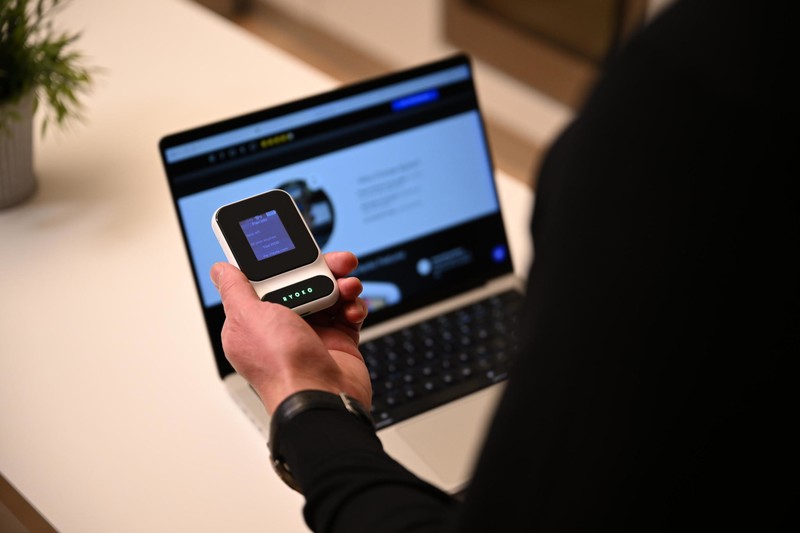
The Ryoko Pro portable 4G LTE WiFi hotspot is the device the rest of this list gets measured against, because it removes a chore instead of adding one.
It’s about the size of a chunky matchbox, holds a SIM, and connects to local cell towers wherever you are, then shares that signal as your own secure network for up to 10 devices at once. Ryoko says it reaches up to 175 countries with no roaming fees, because you’re on prepaid data rather than your home carrier’s plan.
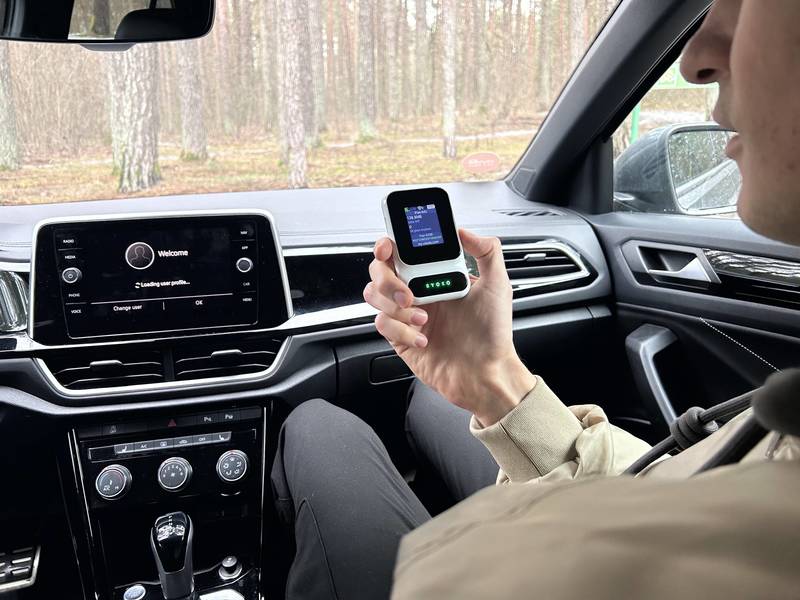
Here’s what wins it the top slot. It ships with a SIM and 500MB of starter data already loaded, so the first time you power it on abroad, you’re online without a store run. Battery runs up to 8 hours with USB-C fast charging, and speeds reach up to 150Mb/s on a strong local network, which is plenty for maps, email, video calls, and streaming for a small group.
Now the part the sales page won’t lead with, because it’s about data, not the device. Ryoko’s prepaid plans start around $19.99 a month with no contract, and you top up only when you travel. For a long stay in one country, a local SIM can work out cheaper, and the Ryoko Pro accepts a compatible local SIM too, so you’re never locked to its data marketplace. Compare before a big trip and you get the best of both.
The honest frame, straight from the independent reviews, is that the Ryoko Pro is legit and does what it says, but its speed tracks the local tower rather than a headline figure. Treat it as a convenience-first travel tool, and it delivers exactly the thing you pack it for: working WiFi the moment you step off the plane.

What we liked
- One pocket device gives up to 10 gadgets secure WiFi across scores of countries, no roaming fees
- Ships with a SIM and 500MB of starter data, so you're online the second you land
- Prepaid data from around $19.99/month with no contract, and it accepts a local SIM too
- Up to 8 hours of battery with USB-C fast charging, and a screen for signal and usage
What we didn't
- Only available online
For the full breakdown of the coverage claims and the data math, our Ryoko Pro WiFi router review digs in, and our Ryoko Pro vs Skyroam Solis comparison puts it head to head with the best-known name in the category.
See today's Ryoko Pro price2. Netgear Nighthawk M6: best for speed and a crowd
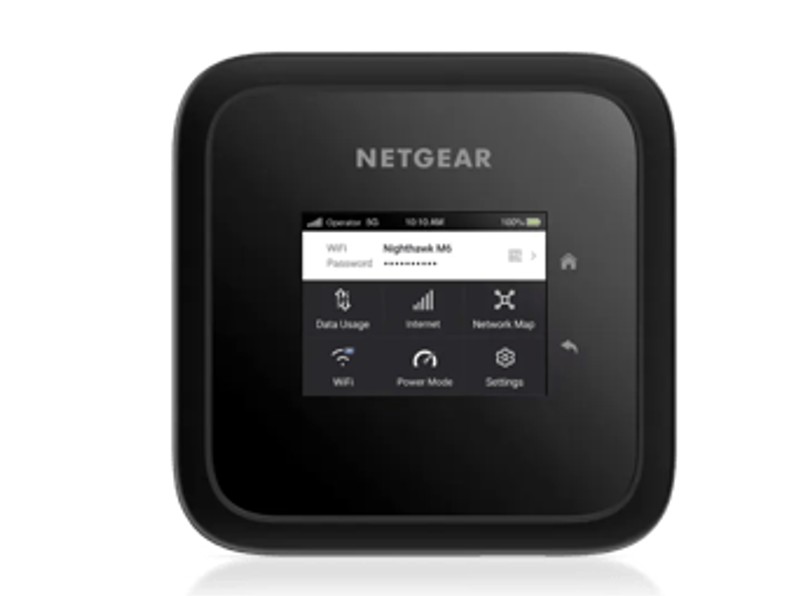
The Netgear Nighthawk M6 (model MR6150) is the pick when you want the fastest connection and the most devices, and you already have a data plan sorted.
It’s an unlocked 5G, WiFi 6 hotspot that connects up to 32 devices, with a removable battery rated around 13 hours and a proper touchscreen. On a strong 5G network it runs circles around every 4G device here.
The catch is the model this list is built around: you bring your own carrier SIM or eSIM, so there’s no bundled travel data and no all-in-one global plan. That also means no surprise data upsell, which power users prefer.
The other catch is price. The unlocked M6 runs roughly $499 and up, several times the cost of the others. For most vacationers that’s overkill. But if you’re a remote worker who needs real speed for a laptop full of tabs, or you’re keeping a whole family’s devices online, it’s the performance king. Netgear sells it directly at netgear.com and through major retailers.
3. Skyroam Solis Lite: best for simple day passes
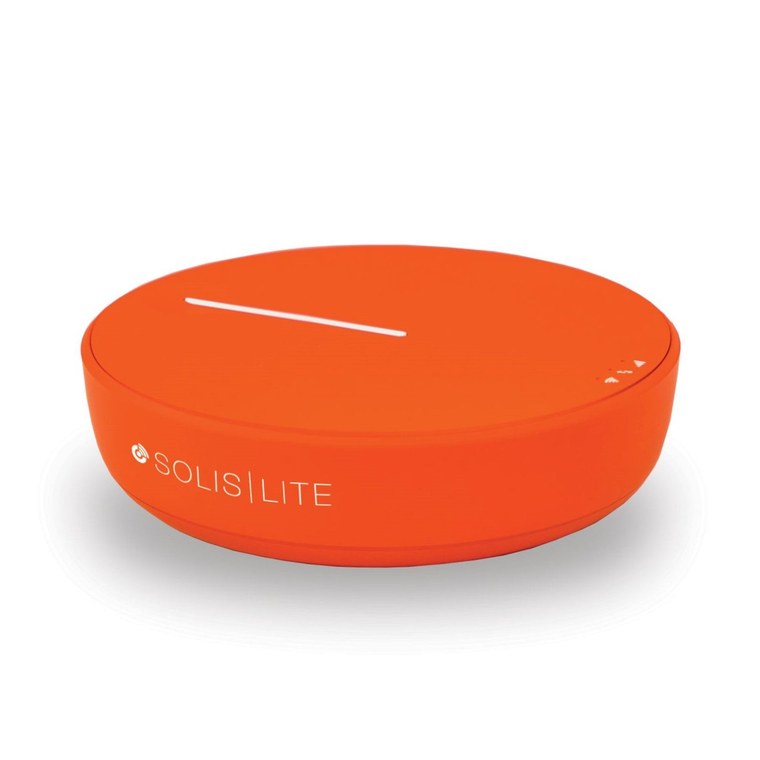
The Skyroam Solis Lite is the recognizable orange puck you’ve seen in airport lounges, and it’s the easy choice for occasional trips.
Its selling point is the global day pass: instead of a monthly plan, you buy data by the day, from around $6 a day, across a wide list of countries with no SIM to swap. The 16 to 18 hour battery is the longest here, so it outlasts a full day of sightseeing, and it doubles as a power bank in a pinch.
It’s 4G only, so it won’t touch the M6 on speed, and the per-day cost adds up on a long trip where a monthly plan would be cheaper. But for someone who travels a couple of times a year and wants to pay only for the days they’re away, the Solis Lite’s day-pass model is the least fuss. It’s sold at soliswifi.co for around $159.99.
How to choose a portable WiFi hotspot for travel
Start with the data model, because that’s where the real money is, not the device price.
Cloud-SIM or vSIM devices (Ryoko Pro, Skyroam) come with data built in and are the least hassle: turn it on and you’re connected. The trade is that buying data through their portal can cost more per gigabyte than a local option on a long single-country stay.
Unlocked, bring-your-own-SIM devices (Netgear Nighthawk M6, and budget picks like the TP-Link M7350 at around $70 to $90) give you the cheapest running cost and no subscription, because you drop in a local SIM or eSIM and pay local rates. The trade is that you have to source a SIM in each country. A hybrid like the GlocalMe G4 Pro (around $149 to $179) splits the difference, letting you use its cloud data or your own SIM.
Then weigh three things. Battery, if you’re out all day, where 8 hours is fine and 16-plus is a bonus. Device count, since a hotspot’s whole advantage over a phone eSIM is putting a laptop, tablet, and everyone’s phones online at once. And 5G versus 4G, which only matters if you genuinely need high speed, because 4G handles maps, email, and streaming for most travelers.
One honest rule of thumb: for a single phone on a short trip, a local eSIM is cheaper and you don’t need a hotspot at all. The hotspot earns its place the moment you have several devices, a travel companion, or a habit of hopping between countries.
The bottom line
The Ryoko Pro is the one to buy first: it lands you online across scores of countries with starter data in the box, up to 10 devices connected, and prepaid plans that skip the roaming bill, all in a pocket.
The Netgear Nighthawk M6 is for the power user who wants 5G speed and 32 devices and already has a carrier plan. The Skyroam Solis Lite is for the occasional traveler who’d rather pay by the day than sign up for anything.
For the rest of a smoother trip, our best travel seat cushion for long flights roundup handles comfort, and our guide on how to sleep on a plane covers the long-haul part.
Check the current Ryoko Pro deal