
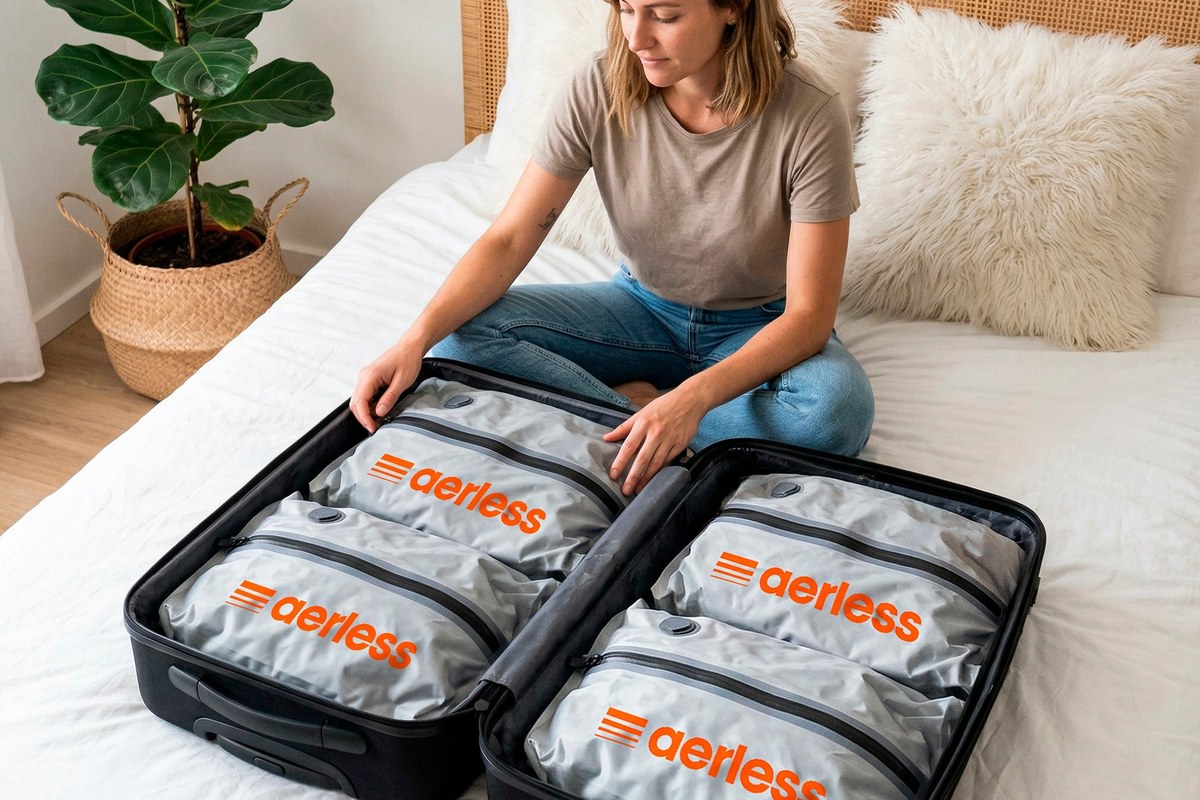
The clothes you most want to shrink are often the exact ones you shouldn’t vacuum seal. Vacuum bags are brilliant for cotton, denim, and knitwear, but a few materials get damaged by the very compression that saves you space, and a bulky down jacket is the trap most people fall into.
Here’s the short answer: keep leather, silk, long-term down, and structured tailoring out of the bag, and don’t vacuum-seal anything for months on end. Below is why each one suffers, plus how to pack everything else so it comes out of the bag ready to wear.
Leather and suede: compression cracks them
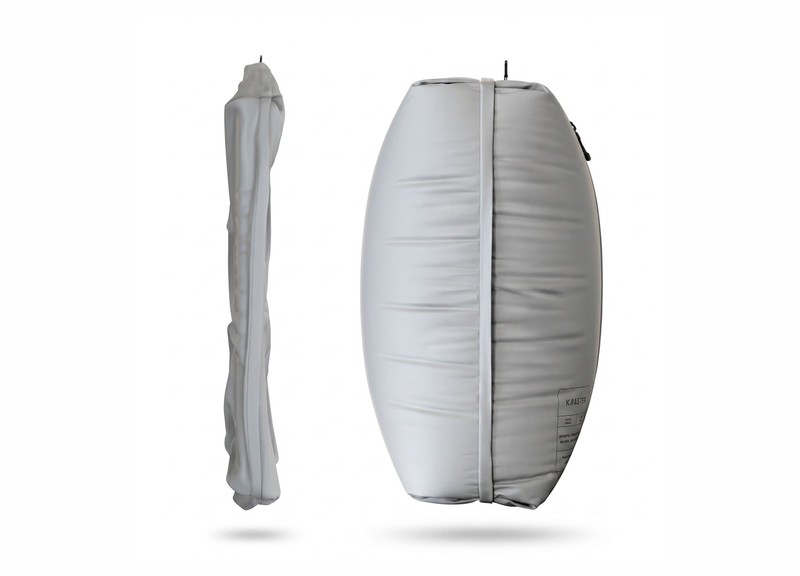
Leather and suede are the clearest no. Squeezing them in an airtight bag presses permanent creases and fold lines into the hide, and those marks don’t steam out the way a cotton wrinkle does.
There’s a second problem: the sealed bag traps moisture against the material. Leather needs to breathe, and days of damp, airless compression can dry it out and crack the surface, or leave it musty.
Store leather jackets and bags on a padded hanger inside a breathable garment cover instead. Even for a short trip, fold them loosely into the case rather than vacuuming them flat.
Silk, satin, and cashmere: delicate fibers crush
Fine, delicate fabrics are the next to skip, at least for anything beyond a day or two. Silk, satin, and cashmere have soft fibers that hard compression can crush or set into stubborn creases, and the finish can take on a permanent flattened look.
If you have to bag them, slip them inside a soft cotton pouch or garment bag first, then into a lightly compressed bag, so the fibers aren’t pressed directly against the plastic. Better still, roll them loosely and let them ride in a packing layer of their own.
For long-term storage, breathable cotton bags beat vacuum bags for these materials every time. Airflow is what keeps the fibers from setting flat.
Down and puffy insulation: you crush the loft
Down jackets, duvets, pillows, and sleeping bags are the famous trap, because they’re bulky, so you want to vacuum them, and loft is exactly what vacuuming destroys. Down insulates by holding air in its fluff, and sucking that air out for months can clump the fill and leave it permanently flat.
The nuance that matters: a short trip is usually fine. Briefly compressed down tends to re-loft after a firm shake or a tumble in the dryer on low with a couple of dryer balls. The lasting damage comes from long, hard storage, not a few days in a bag.
So for travel, compress a puffer if you must and fluff it at the other end. For the off-season at home, store down loosely in a breathable bag so it keeps its warmth.
Structured tailoring and anything long-term
Suits, blazers, and anything with built-in structure should stay out of vacuum bags too. The shoulder padding, canvas, and shape are designed to hold a form, and flattening them under vacuum leaves creases that are miserable to press back out.
The other rule is about time, not just fabric. Even sturdy clothes shouldn’t live vacuum-sealed for months: long compression can weaken fibers, set deep wrinkles, and trap odors. Treat vacuum bags as a packing and short-season tool, not a years-long storage vault, and keep the duration under a year.
One prep step covers all of this: only ever seal clean, fully dry clothes. Any damp or body oils trapped airtight can turn into mildew or set-in smells.
How to pack the rest the right way
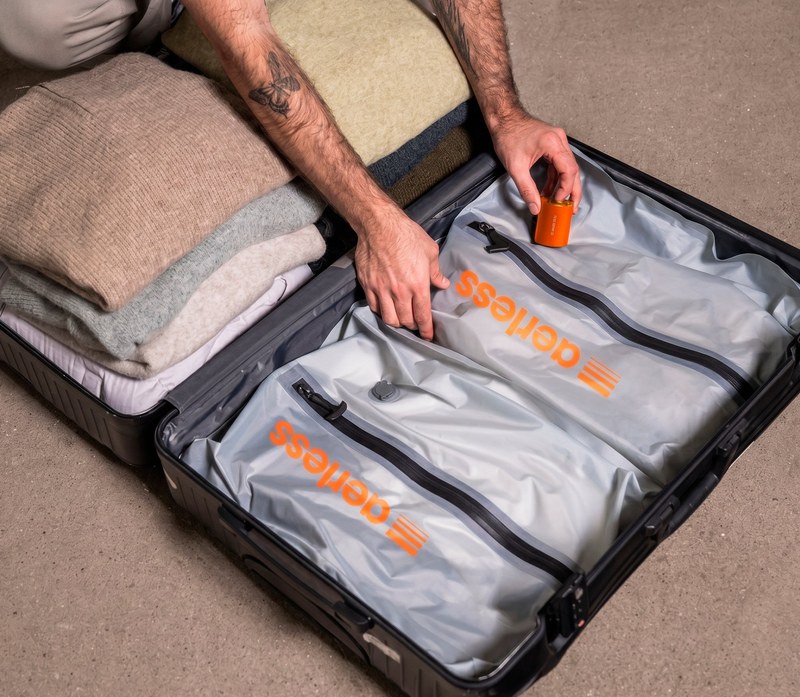
The good news is that most of your suitcase is fair game. Cotton, denim, knitwear, athletic wear, and synthetics compress hard and bounce right back, which is how a week of clothes collapses into a carry-on you can still zip.
A couple of habits keep them wrinkle-friendly: fold along natural seams rather than scrunching, and don’t pull the absolute maximum vacuum on crease-prone pieces, a firm compression wrinkles less than a total crush. A travel vacuum bag with its own pump makes this practical in a hotel room, and our Aerless vacuum compression bags review covers how far a built-in-pump bag actually shrinks a load and whether it holds a seal on the road.
One travel-day tip on the rules: TSA allows vacuum bags, but agents can open any bag to inspect it, and you can’t recompress a carry-on bag at the checkpoint without your pump. So lean on vacuum bags for checked luggage, or carry the pump with you.
The bottom line
Keep leather, suede, silk, long-term down, and structured suits out of vacuum bags, and never leave clothes sealed for months. Everything else, the cottons, denims, and knits that make up most of a trip, compresses safely and saves you real space.
If you want the bulky-item space savings without the household-vacuum hassle, a travel bag with its own pump is the move, and our best travel vacuum bags roundup ranks the field. To weigh compression styles, vacuum bags vs compression bags for packing breaks down which saves more, Aerless vs packing cubes covers the organize-don’t-compress route, and if you want to vet a brand first, our guide on whether Aerless is legit walks through the company and its guarantee. There’s more in the travel hub.