
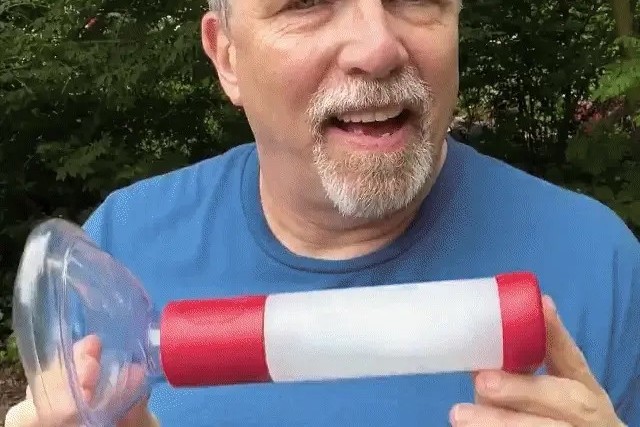
Is ResQVac legit? Yes, in the way that matters most: it’s a real suction rescue tool you can actually buy, it ships, and it comes with a 90-day money-back guarantee, not a scam that takes your money and disappears. The “scam” searches come from the heavy video ad copy and the wall of look-alike review pages, not from buyers who paid and got nothing.
What’s fair to question is something else. ResQVac is a general consumer rescue tool, not an FDA-cleared medical device, and the company behind it keeps a low profile. So the real job here isn’t proving it’s a fraud. It’s telling you exactly what it is, what it isn’t, and where a tool like this should sit in a choking emergency.
We didn’t use one on a real person, and no honest site could. We read the official store and guarantee terms, the current pricing across its sale pages, the FDA’s position on suction devices, and what groups like the Red Cross and American Heart Association actually teach. Here’s the straight version.
Is ResQVac a legitimate brand, or a scam?
It’s a legitimate product. ResQVac is a genuine non-powered suction tool sold online, orders ship, and it’s backed by a 90-day money-back guarantee, so the fraud angle doesn’t hold up. What’s thin is the paper trail: the brand publishes little about the company behind it, and most “reviews” you’ll find are affiliate pages, not independent tests.
That gap is worth naming plainly. When a brand runs hard on video ads and leaves the corporate detail vague, it’s smart to buy direct from the official store, keep your order confirmation, and use the guarantee window to look the thing over.
Honestly, the sparse company record is the part that gives me pause, not the device. A non-powered plunger with a face mask is simple hardware, and simple hardware either seals and pulls or it doesn’t. You can judge that in your own hands inside the guarantee period.
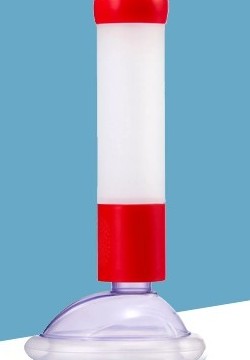
If you want the fuller picture of the device itself, our ResQVac anti-choke device review walks through the motion, the price, and the 90-day terms in depth.
Is ResQVac FDA approved, and what is the best FDA anti-choking device?
No, ResQVac is not FDA approved or FDA cleared. It’s sold as a general consumer rescue tool. Among anti-choking suction tools, LifeVac is the one that holds an FDA classification, a Class II De Novo granted in 2026, and even that covers it only as a second-line backup after standard choking steps fail.
So if a formal FDA listing is your single deciding factor, LifeVac is the device that has it and ResQVac isn’t claiming to. Dechoker, another name you’ll see, doesn’t carry that clearance either.
Here’s the category truth that applies to all of them. The FDA authorized LifeVac as a backup, and before that it warned that these devices shouldn’t be used ahead of trained first aid, because fumbling to unwrap a gadget can delay steps that already have high success rates. No suction tool, LifeVac or ResQVac, is a first move or a substitute for calling 911.
If you’re weighing the two names directly, our ResQVac vs LifeVac comparison lays them out on how they work, household coverage, regulatory standing, price, and guarantee, so you can see exactly where the FDA difference does and doesn’t matter for a home backup.
Do doctors recommend LifeVac or any anti-choking device?
Not as a first response. The American Red Cross and the American Heart Association teach back blows and abdominal thrusts first, and neither endorses a suction device as the opening move. That’s the consistent position across the guidance we read.
The picture on LifeVac is a little warmer now that it has an FDA backup classification, and a 2023 manikin study found both LifeVac and Dechoker could clear simulated airway blockages. That’s lab-model data, though, not proof of real-world outcomes, and it’s why doctors still frame these as a layer behind training, not a replacement for it.
The sensible way to hold it: a suction tool is the thing you reach for if the trained steps haven’t worked and help is on the way. Think of ResQVac as the perfect partner to the first-aid training you already have, sitting right next to your plan rather than standing in for it.
Where a tool like ResQVac fits at home
Picture the layout of a real emergency. Someone’s choking, you start back blows and abdominal thrusts, somebody calls 911, and a device is the extra option in your other hand if those steps haven’t cleared the airway yet. That’s the whole role, and it’s a useful one.
ResQVac is priced and built for that backup job. It’s about $49.99, reusable, and non-powered, so it’s the kind of thing you keep in a kitchen drawer or the car without much thought. The 90-day guarantee is what makes a trial low-risk: buy it, practice the seal-and-pull motion a few times, and decide whether you want it within reach.
For the wider field, our best anti-choking devices of 2026 roundup ranks the home options side by side. If you’re thinking about household safety more broadly, the best personal safety alarms of 2026 covers another simple safeguard, and there’s more in the home hub.
The bottom line
ResQVac is legit in the way that counts: a real, buyable suction rescue tool with a genuine 90-day guarantee, not a vanishing-money scam. It just isn’t an FDA-cleared medical device, and the company keeps a quiet profile, so buy from the official store and lean on the guarantee to judge it yourself.
The most important line is the one every honest source repeats. Back blows, abdominal thrusts, and a 911 call come first, and a device like this is the backup you reach for behind them. Keep it right alongside your first-aid training, and it earns its spot in the drawer.