

Over-the-counter hearing aids have only existed since October 2022, and the reviews have piled up fast enough to see real patterns. After the FDA created the category, every tech site, lab, and clinic started testing them, and thousands of buyers started leaving ratings. Read enough of it and the same truths keep surfacing.
This guide pulls those threads together. It answers what OTC hearing aid reviews reveal once you read the lab scores, the clinical trials, and the owner ratings side by side, instead of ranking products one more time. For a shortlist of specific models, our best OTC hearing aids under $150 roundup does the picking.
We based this on published testing and research rather than hands-on use: the NIDCD, a 2023 JAMA randomized trial, Consumer Reports’ member survey, independent lab scores from HearAdvisor, and a peer-reviewed 2024 device study, plus the recurring themes in owner reviews.
What the FDA category actually changed
The 2022 rule let adults buy certain hearing aids without an exam, a prescription, or a professional fitting. The FDA finalized it in August 2022, and it took effect on October 17, 2022, creating a first-of-its-kind category for adults 18 and older with perceived mild-to-moderate hearing loss.
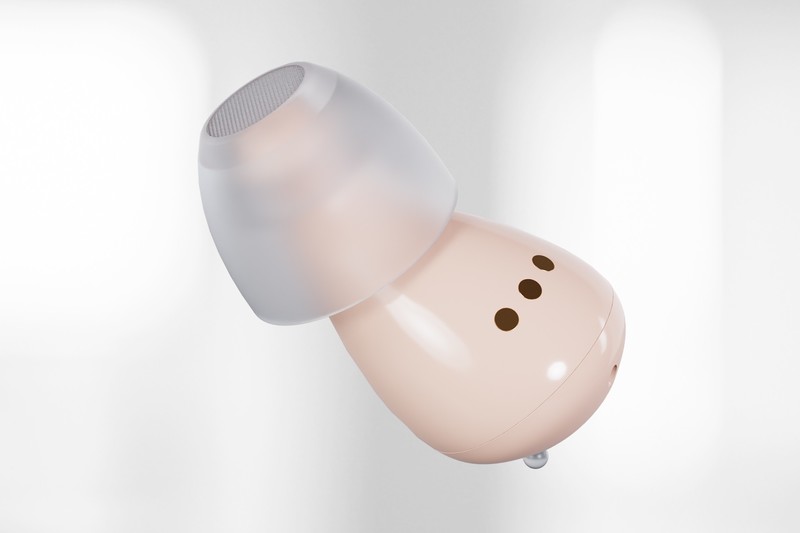
The point was access. The NIDCD estimates only about one in four US adults who could benefit from hearing aids has ever used one, and that people wait around ten years after noticing loss before acting. Lower cost and no gatekeeping were meant to close that gap. The rule also capped maximum sound output and required user volume control, so the devices stay inside safe limits.
What it did not change is who they’re for. Severe or profound loss, sudden changes, and anyone under 18 still need a prescription aid, usually after a medical check to rule out a treatable cause.
What the reviews reveal about sound quality
The honest headline: OTC aids land in the middle, and the spread between models is enormous. Consumer Reports surveyed 13,163 members and found the OTC aids rated about as well on satisfaction as many prescription models, with value being the strongest predictor of how happy people were overall.
Independent lab testing sharpens the picture. HearAdvisor, which measures aids on an acoustic manikin and scores them out of five, puts the OTC category average around 3.47, but with a wide gap between the best and worst. A peer-reviewed 2024 study of 41 devices found a clear ladder: prescription aids averaged 3.07, self-fitting OTC aids 2.65, preset OTC aids just 1.81, and basic sound amplifiers a distant 0.85.
That ladder is the single most useful thing in the data. Self-fitting OTC aids, the ones that let you tune the sound in an app, consistently beat preset models that ship with fixed settings. If a review praises an aid’s app and customization, take it seriously; if an aid has no adjustment at all, the lab scores suggest you’ll feel it.
One limit is universal, and it’s worth saying plainly so you don’t blame the device. No hearing aid, at any price, performs well in a loud, crowded room. That shows up in prescription reviews too. It’s physics, not a defect in the budget tier.
What the reviews reveal about self-fitting
The big worry before OTC was whether people could set up aids without an audiologist, and the best evidence says most can. A 2023 randomized trial published in JAMA Otolaryngology followed self-fitted OTC users and audiologist-fitted users. Self-fitted users actually wore their aids more in the first two weeks, and by six weeks the benefit was comparable, with no statistically significant difference between the groups.
That’s a genuinely reassuring finding for mild-to-moderate loss. The caveat the same researchers raise is that not all OTC aids are created equal, which loops back to the sound ladder above: self-fitting only helps if the app gives you real adjustment, and the 2024 lab study found some self-fitting aids barely improved once tuned.
So the review pattern is consistent. People succeed at self-fitting far more often than skeptics expected, but the device has to give them something meaningful to adjust.
The marketplace trap reviewers keep flagging
A lot of what’s sold as an “OTC hearing aid” online isn’t a regulated hearing aid at all. One study of 138 OTC hearing aid listings found only about 27% were verified as FDA-cleared.
This is the complaint that turns a good category into a minefield. Cheap sound amplifiers get listed next to real OTC aids, and in the 2024 lab study those amplifiers scored lowest by a wide margin. The fix reviewers converge on is simple: confirm a product is an FDA-registered OTC hearing aid before buying, and treat a suspiciously low price with suspicion. Our Audien Atom 2 review and Oricle hearing aid review both dig into where specific budget models land on that line.
How OTC compares to prescription, honestly
For mild-to-moderate loss, the gap is smaller than the price difference suggests. The NIDCD states outright that OTC aids can be as effective as prescription aids for that range, and the JAMA trial backs it up at six weeks.
The trade-offs are real, though. Cheaper OTC aids often skip directional microphones, Bluetooth streaming, and telecoils, and you lose the professional fine-tuning and the exam that might catch a medical cause. Prescription aids still edge OTC on average lab sound and benefit more from expert tuning.
On cost, the NCOA puts prescription aids around $2,000 and up to roughly $7,000 a pair, while OTC runs from about $100 to $2,000. Neither is usually covered by original Medicare or insurance, though HSA and FSA funds often apply.
The names that come up most in reviews
A handful of brands dominate the review coverage, and each has a clear reputation. Jabra Enhance is the frequent “best overall” pick, partly because it bundles telehealth care and a long trial. Sony’s self-fitting CRE line and Sennheiser’s All-Day Clear aim at the premium end. Lexie’s Lumen was the device in that JAMA trial, and its B2 Plus earned one of HearAdvisor’s top grades.
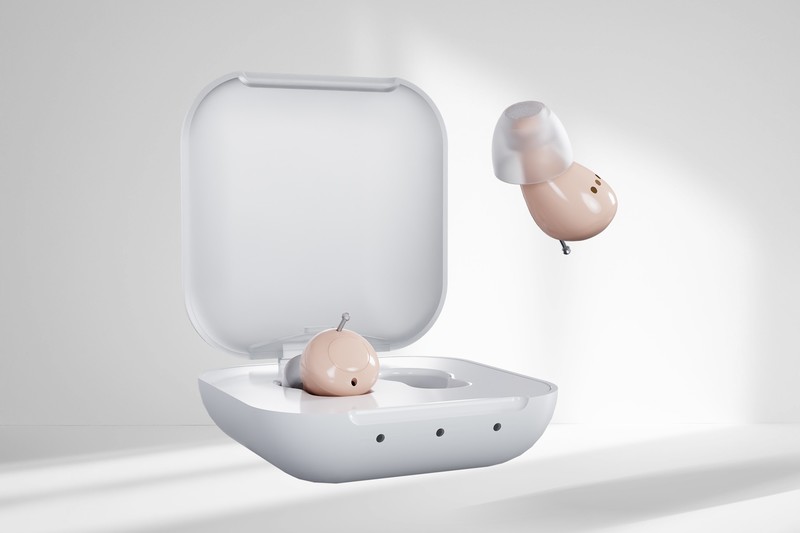
At the budget end, Audien keeps prices low but reviewers note simpler sound processing and lighter support. Eargo’s discreet in-canal design wins comfort praise but mixed reliability notes, and its Eargo 8 scored below the category average in lab testing. The newest entrant is the one most people already own: Apple’s AirPods Pro 2 gained an FDA-authorized Hearing Aid Feature in September 2024, backed by a 118-adult study that found self-fitting delivered similar perceived benefit to a professional fitting. Our Audien Atom 2 vs Eargo comparison shows how two of these reputations hold up head to head.
The bottom line
Read enough reviews and the verdict settles into something practical. For adults with perceived mild-to-moderate loss, OTC hearing aids are a legitimate first step that the evidence supports, and self-fitting works for most people. The two decisions that actually move your result are picking a real FDA-cleared aid rather than an amplifier, and choosing one with app tuning rather than fixed presets. Get those right and the reviews say you’ll do well.
When you’re ready to shortlist, start with our best OTC hearing aids under $150 guide, and the health hub collects the rest of our hearing and wellness coverage.