
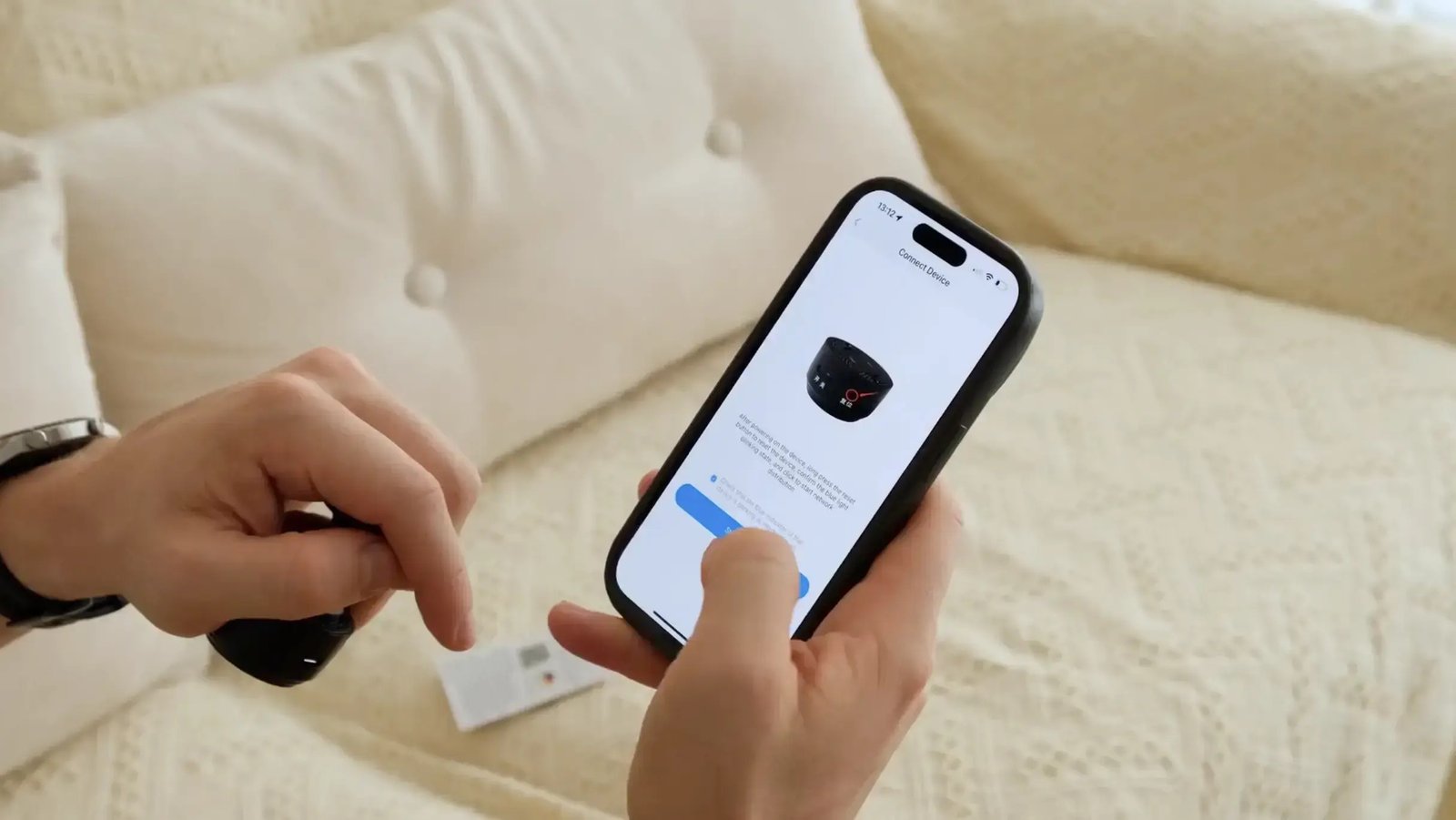
The cheapest part of a Ring camera is the camera. The part that adds up is the monthly fee to actually see what it recorded. That’s the tension this comparison is really about.
The Home Defender Cam and Ring are both 1080p WiFi cameras with a phone app. The difference is the business model behind them. One is a low-cost camera that records to a card you own, with nothing to pay after checkout. The other is a polished ecosystem that asks for a subscription before it saves a single clip.
The Home Defender Cam is the $39.99, no-fee option. Ring is the established, subscription-based platform. We compared what each costs, how they store video, and what you give up either way. Here’s the split.
Home Defender Cam vs Ring at a glance
| Feature | Home Defender Cam | Ring |
|---|---|---|
| Upfront price | ~$39.99 | $59.99+ per camera |
| Monthly fee for recording | None (records to SD card) | Ring Protect from ~$4.99/mo |
| Video storage | Local microSD up to 128GB | Cloud (with subscription) |
| Video without a plan | Records to the card | Live view only, no history |
| Resolution | 1080p (advertised) | 1080p |
| Ecosystem & support | Standalone app | Alexa, mature app, long track record |
| Guarantee | 30-day money-back guarantee | Standard returns / warranty |
| Our score | 9.0 / 10 | 8.6 / 10 |
Two very different price tags
Start with what they have in common, because on paper it’s a lot. Both are 1080p WiFi cameras with motion alerts, two-way audio, night vision, and a mobile app for live view. If you only ever glanced at the live feed, they’d feel similar.
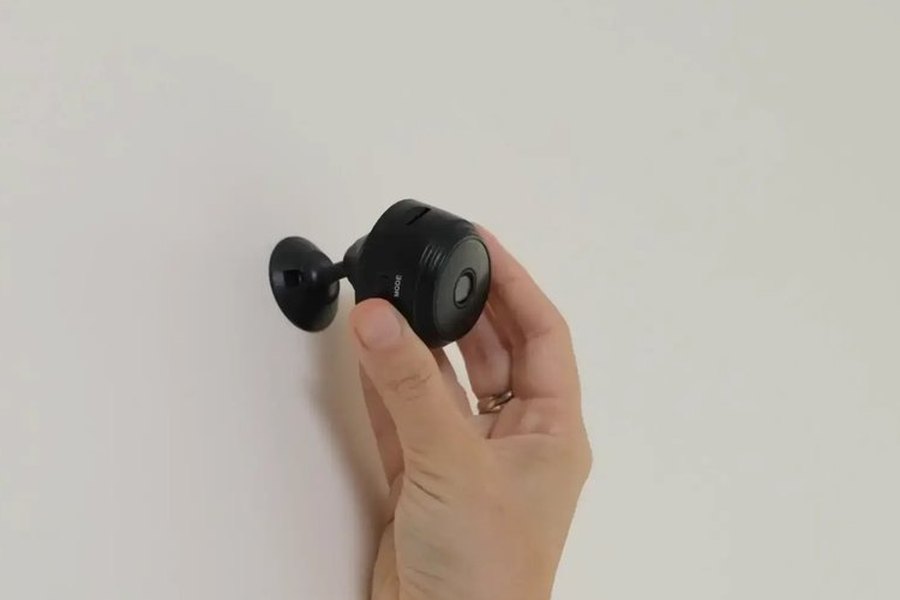
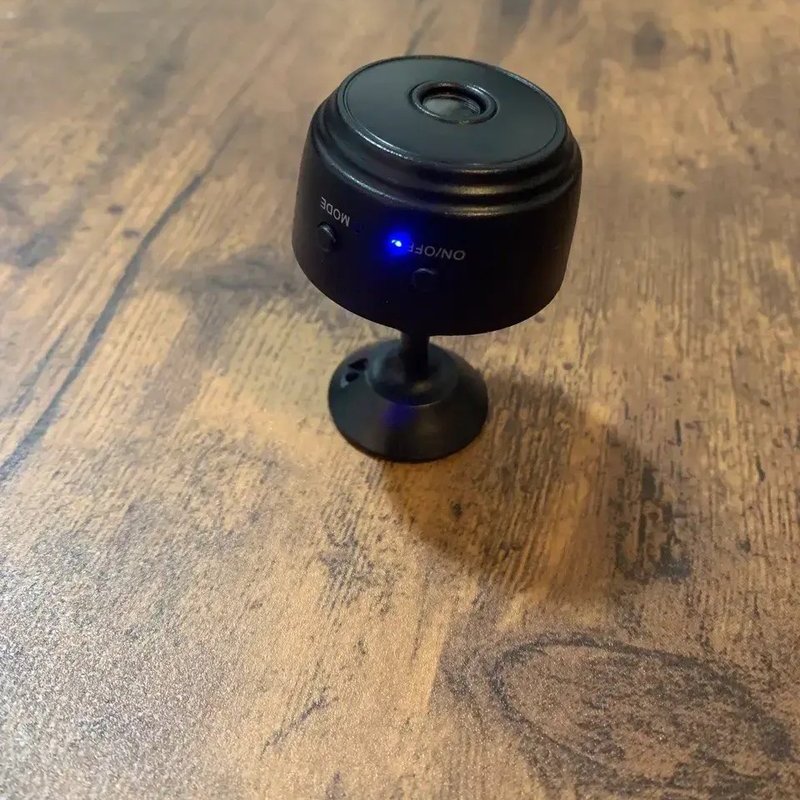
The Home Defender Cam bets on low cost and no subscription. It’s advertised around $39.99, and it records to a local microSD card with no monthly fee, so the footage is stored on hardware you own. The maker lists 1080p video, a 150-degree lens, night vision to about 33 feet, an IP65 weather rating, and a roughly three-minute setup. Those are the manufacturer’s stated specs, and it comes with a 30-day money-back guarantee.
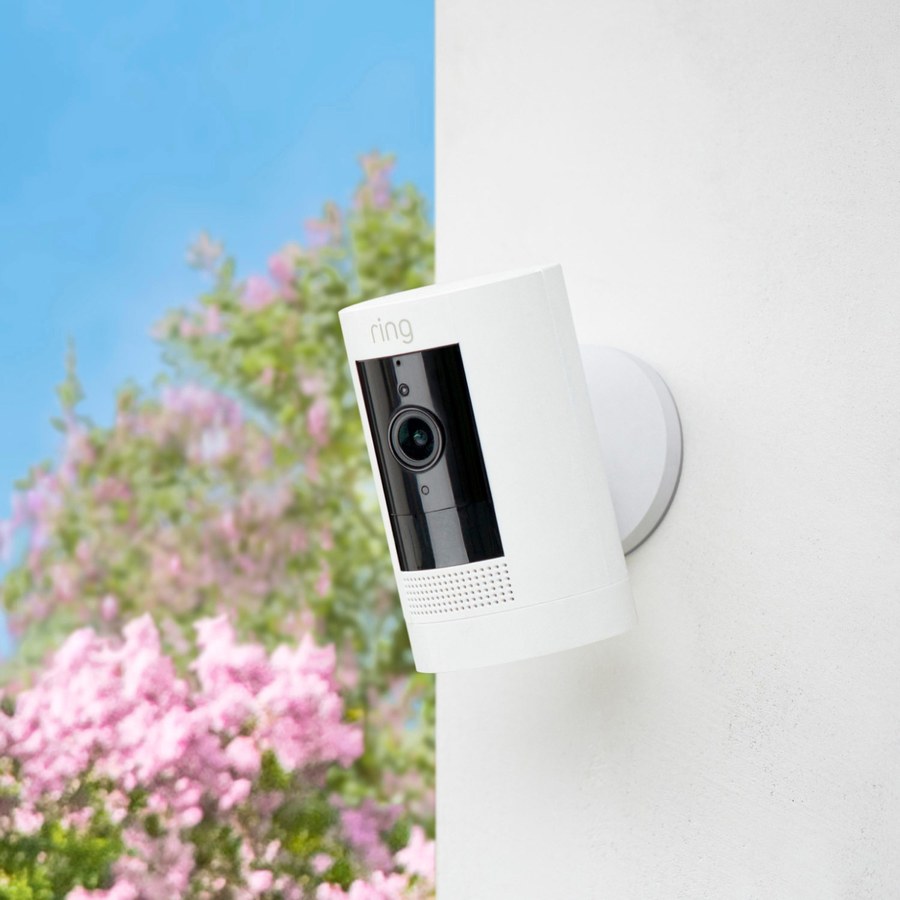
Ring bets on ecosystem and polish. Its cameras start around $59.99 to $79.99, its app is mature, it works with Alexa, and it has years of track record. The catch is the one Ring buries: without a Ring Protect plan (from about $4.99 a month), the camera shows live view and sends motion alerts but won’t save any video you can go back and watch.
Neither is free of trade-offs. Home Defender Cam is a lesser-known direct-response product without Ring’s pedigree, so you’re leaning on its guarantee. Ring is proven but keeps your own recordings behind a paywall. Keep both honest and the decision comes down to what you’re optimizing for.
Round by round
Upfront price
Round winner: Home Defender CamThis round is the Home Defender Cam’s, plainly. At about $39.99, with multi-unit discounts, it undercuts Ring’s roughly $59.99 to $79.99 starting cameras before a single subscription is added.
The Home Defender Cam is built to be the cheap way to put eyes on a doorway or a driveway. If the lowest price to get a camera up on the wall is your first filter, it wins this one outright.
Monthly fees and recording
Round winner: Home Defender CamHere’s the round that adds up over years. The Home Defender Cam records to a microSD card with no monthly fee, so your footage sits on storage you own and costs nothing ongoing.
Ring is the opposite model. Without Ring Protect, a Ring camera won’t save recorded video at all, only live view and alerts. To review or share a clip you’re paying from about $4.99 a month, forever. Over three years that subscription can cost more than the Home Defender Cam itself. For no-fee ownership, the budget cam wins clearly.
Ecosystem and reliability
Round winner: RingGive Ring its due, because this round is genuinely its own. Ring has a mature app, Alexa integration, customizable motion zones, and a long track record across millions of homes. It’s the safer bet for reliability, updates, and support, and it slots into a connected-home setup other Ring and Echo gear already lives in.
The Home Defender Cam is a newer, generically built product without that pedigree or ecosystem. Its specs are the maker’s own claims, so you’re trusting the 30-day guarantee rather than a decade of reviews. If a proven, well-supported platform is your priority, Ring takes it.
Storage you control
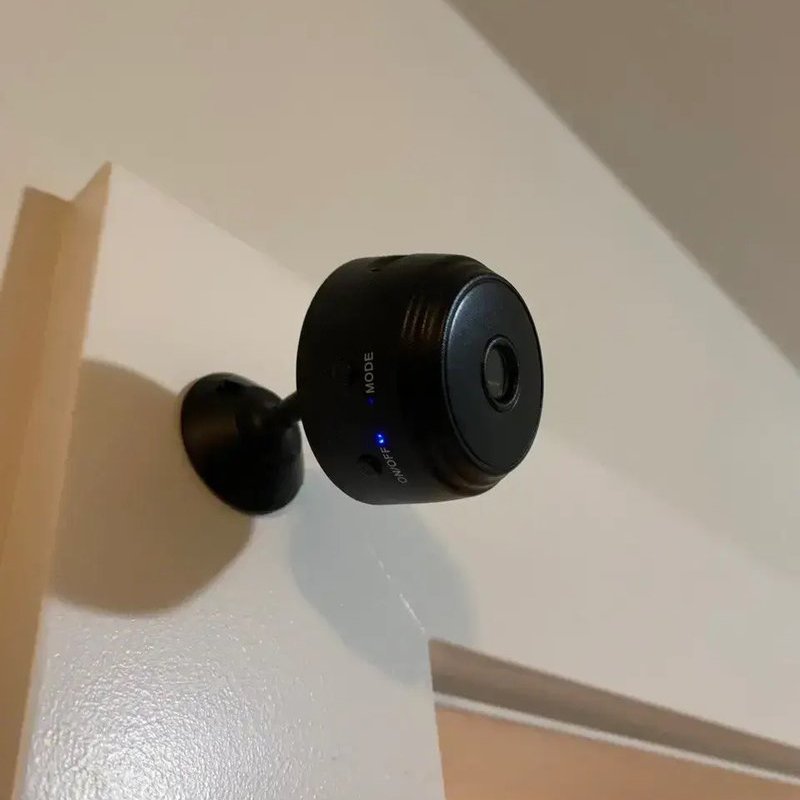
Round winner: Home Defender CamThere’s a privacy and ownership angle worth its own round. The Home Defender Cam keeps footage on a local SD card in your home, not on a company’s cloud, and you can pop the card to review clips.
Ring stores recordings in the cloud, which is convenient and accessible from anywhere, but it’s tied to your subscription and lives on Ring’s servers. If you prefer your video to stay on hardware you physically hold, and to owe no one a monthly fee for it, the Home Defender Cam’s local storage is the answer.
The honest scorecard
What we liked
- Home Defender Cam: about $39.99 with no monthly fee, recording to a local SD card you own
- Home Defender Cam: advertised 1080p, night vision, two-way audio, IP65 rating, and a 30-day money-back guarantee
- Ring: a mature, reliable ecosystem with Alexa support and a long track record
- Ring: convenient cloud video and remote access when you subscribe to Ring Protect
What we didn't
- Only available online
Who should buy which
Choose the Home Defender Cam if you want the lowest-cost way to add a camera with no recurring bill: a sub-$40 price and SD-card recording you own outright, backed by a 30-day money-back guarantee to test it in your space. For a budget-minded buyer who doesn’t want a subscription, it’s the value pick.
Choose Ring if you want the proven platform, the app polish and Alexa integration, and you’re comfortable paying for Ring Protect to keep cloud video history. It costs more up front and over time, but it earns that with reliability and support. While you’re hardening the home, our invisaWear vs bSafe comparison covers personal safety, and our roundup of the best personal safety alarms of 2026 rounds out the kit.
Check today's Home Defender Cam price