
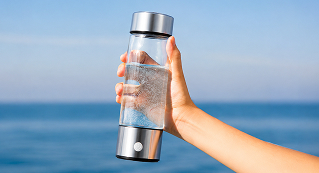
The real gap between HydroForge and the Echo Go+ is price. Both are portable bottles that run electrolysis on plain water, in almost the same way. One is a budget glass bottle, the other a premium name that costs about five times as much.
The HydroForge is a one-button glass bottle that infuses your water in minutes. It sells for around $59.99 on its current sale and ships with a 30-day money-back guarantee.
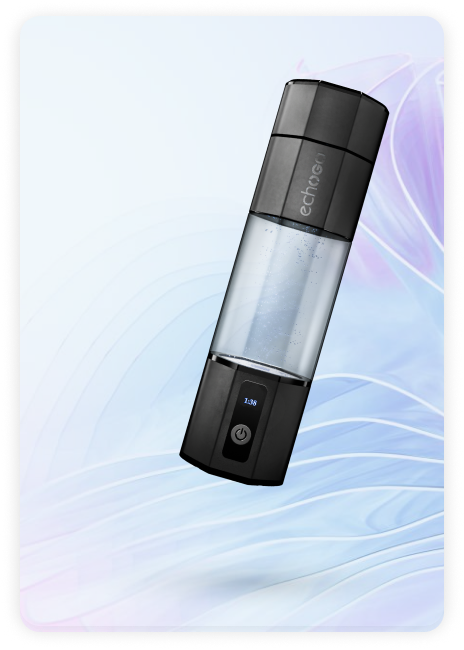
The Echo Go+ is a 10-ounce plastic bottle from Echo Water, the brand behind the Gary Brecka-era hydrogen push. It lists up to 4.5 PPM of hydrogen and has retailed near $299.
For this comparison we read both makers’ listings, how each generates hydrogen, the pricing, the materials, and the buyer feedback. We didn’t run a dissolved-hydrogen meter against them ourselves, so every claim below traces to the makers or to public product listings.
One honest note up front, because it should shape how you shop. Molecular-hydrogen research is early-stage, with small studies hinting at antioxidant or recovery effects and nothing settled. So treat either bottle as a wellness gadget that gets you drinking more water, not a cure for anything. Inside that frame, here’s the smarter buy.
HydroForge vs Echo Go+ at a glance
| Feature | HydroForge | Echo Go+ |
|---|---|---|
| Price | ~$59.99 (on sale) | ~$299 retail |
| Hydrogen method | SPE/PEM electrolysis | SPE/PEM electrolysis |
| Stated output | SPE/PEM, no headline PPB figure | Up to 4.5 PPM (~4,500 PPB) |
| Body material | BPA-free glass | BPA-free food-grade plastic |
| Portability | Lightweight, USB-rechargeable, cordless | 10 oz, USB-rechargeable |
| Risk-free trial | 30-day money-back guarantee | Standard manufacturer warranty |
| Our score | 9.2 / 10 | 8.6 / 10 |
What each one actually is
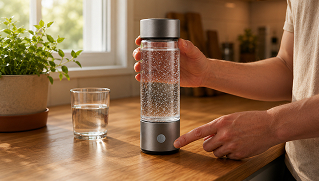
The HydroForge is a portable hydrogen water bottle with a glass chamber. You fill it, press one button, and a sealed SPE/PEM electrolysis cycle bubbles molecular hydrogen through the water in minutes. There’s no external filter and nothing to refill, so you pay once and use it daily. It charges over USB and it’s light enough to toss in a bag, and our full HydroForge review digs into the price and guarantee in more detail.
The Echo Go+ is a 10-ounce plastic bottle from Echo Water (formerly Synergy Science). It runs the same SPE/PEM approach on platinum-coated titanium plates, adds a small countdown display, and Echo lists it at up to 4.5 PPM of dissolved hydrogen. It’s a polished, well-known device, but the body is food-grade plastic and the price has sat near $299. Echo has since moved its lineup to the pricier Echo Flask, so the Go+ now turns up mainly while remaining stock lasts.
So the honest framing is this. The Echo Go+ is the premium brand-name option with a higher number on the box. HydroForge does the same core job in glass for roughly a fifth of the money. That split decides the rounds.
Round by round
Price and everyday value
Round winner: HydroForgeThis is the round that carries the match. The HydroForge sells for about $59.99 on its current sale.
The Echo Go+ has retailed around $299, roughly five times more, for a bottle built on the same SPE/PEM electrolysis method.
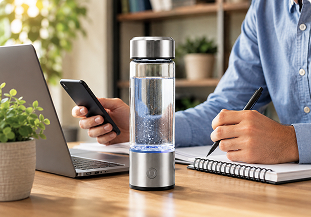
For a wellness gadget the science is still catching up on, spending $60 instead of $300 to find out if you like hydrogen water is the sane play. On price and value, HydroForge takes the round going away.
Hydrogen output and how it's made
Round result: TieHere’s the round where the Echo Go+ has a real, honest point. Both bottles use SPE/PEM electrolysis, the cleaner method that separates the gases rather than dumping them back into your glass.
Where they differ is transparency on the number. Echo publishes a specific figure, up to 4.5 PPM (about 4,500 PPB), while HydroForge advertises a fast infusion without headlining a single PPB reading.
That looks like a win for Echo, and on paper it is. But molecular-hydrogen research is early enough that no one can tell you what PPB actually delivers a benefit, and most studies sit well below Echo’s ceiling anyway. So this one’s a tie: same method, one published number, and a science that isn’t precise enough to crown a winner.
Materials and the drinking experience
Round winner: HydroForgeDay to day, what your water touches matters. The HydroForge uses a BPA-free glass chamber, so nothing leaches, it holds no odor, and it rinses clean.
The Echo Go+ uses a BPA-free food-grade plastic body. It’s a perfectly reasonable material, but glass simply tastes cleaner over months of daily use and doesn’t scratch or cloud the way plastic can.
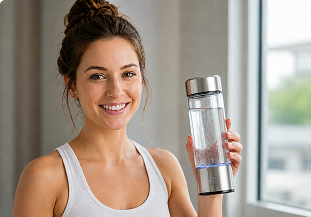
If you’re going to drink from the same bottle every morning, the glass body is the nicer thing to own. On materials, HydroForge wins the round.
Simplicity and portability
Round winner: HydroForgeBoth bottles are built to travel, so this comes down to fuss. The HydroForge is one button, one short cycle, then drink, with no filters or refills to buy and USB charging when it runs low.
The Echo Go+ is also portable and rechargeable, and its display is a nice touch. But at 10 ounces of plastic and a $299 price, it asks a lot more for the same basic routine of fill, activate, sip.
For someone who just wants hydrogen water without a project, the cheaper glass bottle that does the job in minutes is the easier thing to live with. HydroForge takes the round and the match.
What buyers say
Neither bottle has a deep, independent review base, so read the numbers as vendor-reported rather than verified. HydroForge’s own listing says it’s trusted by 25,000-plus customers, and its verified-buyer notes stay on theme: “Simple enough to actually use,” “I stopped needing afternoon coffee,” and “I stopped buying energy drinks and finally drink water every day.” The recurring praise is that it’s easy, so people keep using it.
The Echo Go+ carries the stronger brand name and a following tied to the wider Echo hydrogen lineup, with buyers drawn to the display and the higher stated output. Both are marketed hard, so the sober read is the honest one from up top: these are wellness gadgets, and HydroForge delivers the same daily habit for far less.
Pros and cons of choosing HydroForge over Echo Go+
What we liked
- Around $59.99 on its current sale, roughly a fifth of the Echo Go+ price for the same SPE/PEM method
- BPA-free glass chamber that tastes clean and won't scratch or hold odor like plastic
- One-button operation, infuses in minutes, with no filters or refills to buy
- USB-rechargeable and light to carry, backed by a 30-day money-back guarantee
What we didn't
- Only available online
Who should buy which
Buy the HydroForge if you want hydrogen water in a glass bottle without paying a premium price, and you’d rather spend about $59.99 to try the habit than $299. For most people, it’s the simpler, cheaper way in, and the 30-day guarantee makes the trial low-risk.
Choose the Echo Go+ if the brand name and the published 4.5 PPM number matter to you, and you’re happy to pay around $299 for a plastic-bodied bottle from an established hydrogen lineup.
Either way, keep it in proportion: this is a wellness gadget with early-stage science, not medicine. For more picks, see our hydrogen water bottle showdown roundup, our best self-cleaning water bottles guide, and our best travel wellness gadgets. There’s more in our home hub.
Check today's HydroForge price