
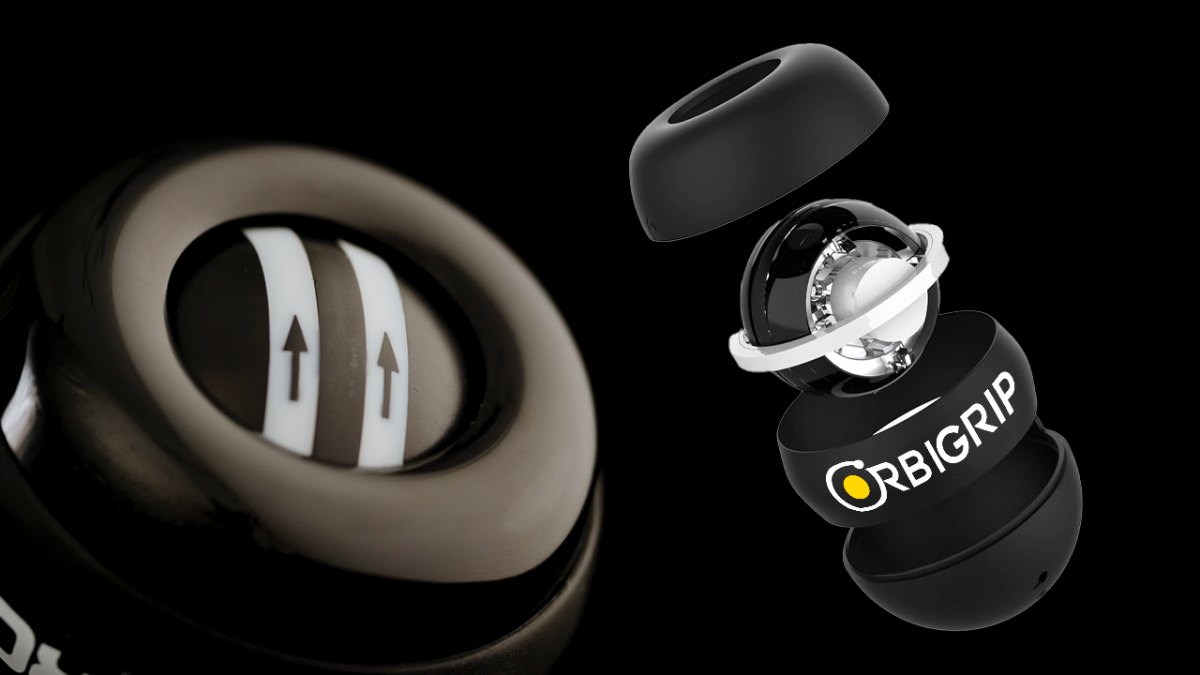
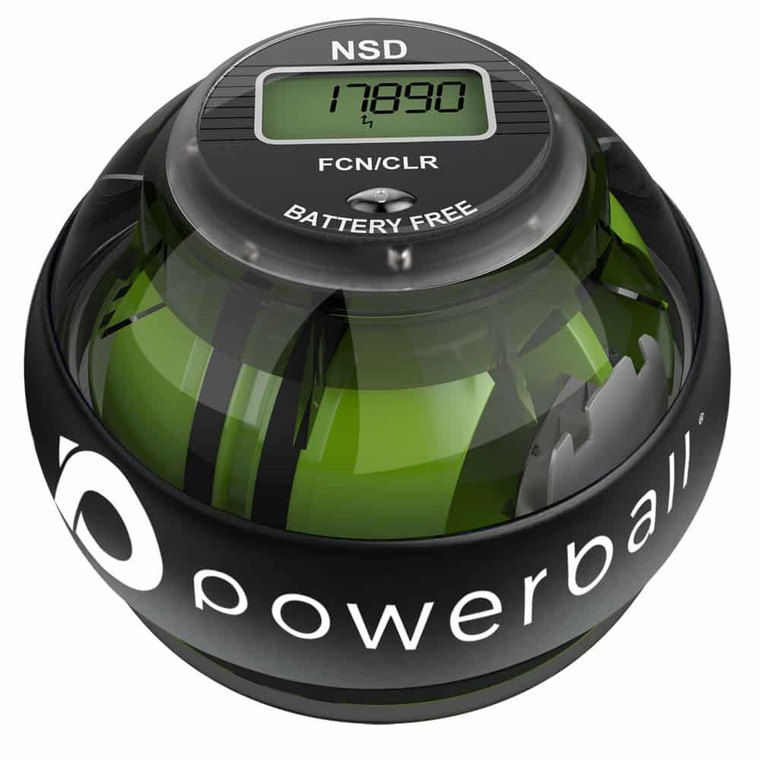
The Orbi Grip vs Powerball question is really one small question in disguise: when you pick the ball up cold, does it start without a fight? Both are battery-free gyroscopic wrist balls that build grip and forearm strength from your own motion. They just differ on how you spin them up and what backs the purchase.
The Orbi Grip is the newer, convenience-first option. It auto-starts from a flick of the wrist and comes with a 90-day money-back guarantee.
The NSD Powerball is the established name. Its classic models are cheaper, battery-free too, and start with a pull cord, though NSD sells an auto-start version at a higher price.
We compared both on start method, resistance, price, and the guarantee behind each. One wins on sticker price. The other wins on ease and peace of mind. Here’s the split, round by round.
Orbi Grip vs Powerball at a glance
| Feature | Orbi Grip | NSD Powerball |
|---|---|---|
| Start method | Auto-start, flick of the wrist | Cord-start on classic models |
| Price | About $69.99 (cheaper in bundles) | Around $30 to $35 classic |
| Top speed | Up to ~18,000 RPM | Up to ~18,000 RPM |
| Power | Battery-free, cord-free | Battery-free |
| Track record | Newer brand, brand-reported reviews | Older, well-known name |
| Money-back | 90-day guarantee | Varies by retailer |
| Our score | 9.2 / 10 | 8.5 / 10 |
Two spinning balls, one shared mechanism
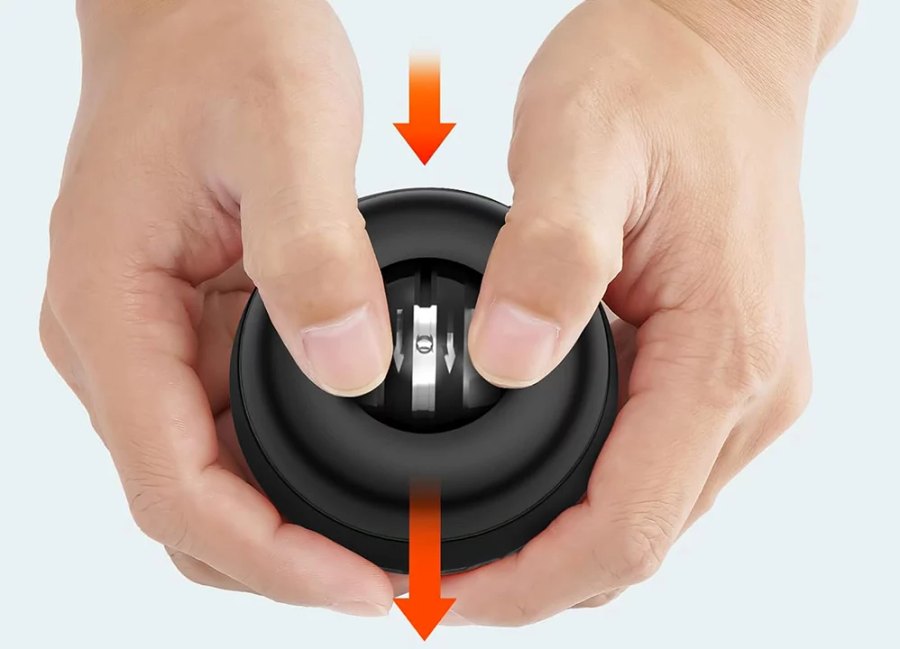
Start with what they share, because it’s most of the engineering. Both are gyroscopic wrist balls: a weighted rotor spins inside a shell, and the faster you circle your wrist, the harder the gyroscope resists, loading your hand, wrist, and forearm. Neither needs batteries or a plug.
Both top out in the same neighborhood, around 18,000 RPM, and on both, the resistance is set by your own wrist speed rather than a dial. Slow is a mobility drill. Fast is a forearm burn. On raw training range, there’s very little between them.
So the real contest isn’t the physics. It’s everything around the spin: getting it started, what you pay, and what happens if you give up on it. That’s where they split.
Round by round
Starting and ease of use
Round winner: Orbi GripThis is the Orbi Grip’s round, and it wins it cleanly. The Orbi Grip auto-starts: a quick flick of the wrist catches the rotor and you’re spinning. There’s no cord to thread, wind, and rip.
The classic Powerball starts the old way, with a pull cord, and getting that first spin right takes a few frustrating tries. That exact fumble is what makes beginners quit a gyro ball in week one.
NSD does sell an auto-start Powerball, so this gap closes if you pay up for that model. Against the classic most people actually buy, though, the Orbi Grip is simply easier to start.
Price and value
Round winner: NSD PowerballCredit where it’s due: the Powerball is the cheaper entry. A cord-start classic often lands around $30 to $35, while the Orbi Grip is about $69.99 for a single ball, with the price dropping on bundles and sales.
If all you want is the lowest sticker and you don’t mind the cord, the Powerball gets you a real gyroscopic trainer for less. That’s a genuine point in its favor, and the main reason to pick it.
The Orbi Grip’s answer is that you’re paying for the auto-start and the long guarantee, not just the ball. Whether that’s worth the gap is the whole decision, but on price alone, Powerball takes it.
Resistance and training range
Round result: Tie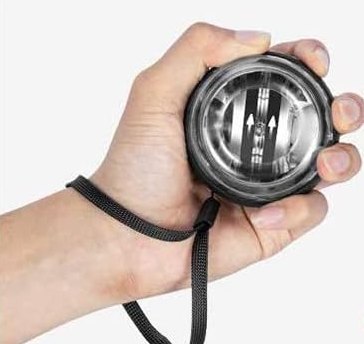
Here they land in the same place. Both reach around 18,000 RPM, and one review site clocks the Orbi Grip’s push-back at over 40 pounds of torque at speed, the kind of load a serious Powerball session also delivers.
On both, your wrist is the dial. There are no weights or settings, so either ball covers gentle rehab circles and all-out forearm work depending on how hard you spin.
The training ceiling is close enough that this round doesn’t separate them. Call it even and let the other rounds decide.
Guarantee and buying
Round winner: Orbi GripThe coverage splits in the Orbi Grip’s favor. The Orbi Grip ships with a 90-day money-back guarantee, a long window to decide a gyro ball is a habit that sticks.
Powerball’s classic sells widely through retailers, which is convenient, but the return terms then depend on the seller rather than one long guarantee, and a gyro ball is exactly the gadget buyers fear they’ll abandon early. Three months to change your mind is reassurance the cheaper ball doesn’t match.
For a first-time buyer who isn’t sure they’ll keep it up, the Orbi Grip’s guarantee is the quiet tiebreaker.
Track record
Round winner: NSD PowerballThe one place the older name clearly earns it: history. The Powerball has been the reference gyroscopic ball for years, with a deep, widely cited base of reviews and a long presence in sports and rehab.
The Orbi Grip is newer, and its strong ratings are mostly the brand’s own reported numbers rather than a years-long independent record. That’s not a knock on the device, but it’s less of a paper trail.
If buying the most proven name matters most to you, that’s Powerball’s round.
The honest scorecard
What we liked
- Orbi Grip: auto-starts from a flick, no pull cord, and adds a 90-day money-back guarantee
- Orbi Grip: battery-free and quiet, with resistance set by your wrist speed for gentle or brutal sessions
- NSD Powerball: cheaper up front and the most proven name in gyroscopic wrist balls
- NSD Powerball: widely available with a deep, long-running base of reviews
What we didn't
- Orbi Grip: Only available online
- NSD Powerball: classic models need the pull-cord knack to start, and return terms depend on the retailer
Who should buy which
Choose the Orbi Grip if you want the easiest start and the safest trial: a flick-to-go auto-start, no cord to fumble, and a 90-day money-back guarantee that makes buying it at home low-risk. For most first-time gyro-ball buyers, that convenience is worth the higher price.
Choose the classic NSD Powerball if you want the lowest entry price and the most proven name, and you don’t mind mastering the pull-cord start to save money.
Either way you’re getting a battery-free way to build grip and forearm strength from your own motion. For the full lineup, see our best gyroscopic wrist exercisers roundup, our deeper Orbi Grip review covers the device on its own, the Orbi Boomerang Ball review looks at the brand’s other motion toy, and there’s more at-home gear in our home hub.
Check today's Orbi Grip price