

Most RFID card ads bury one inconvenient fact: skimming a modern chip card out of your pocket is far rarer than they imply. So the real question isn’t which card stops hackers cold, it’s which one is worth a few dollars for genuine peace of mind.
We compared the RFID blocking cards people actually buy on three things: how they shield, what they cost, and how honest the maker is about what the card does.
Four came out worth recommending, from a slim active blocker to a plain passive backup. The Cardian Safe Card won on value, and it’s the one most wallets should start with.
The best RFID blocking cards of 2026 at a glance
- Cardian The Safe Card: Best value active blocker (~$15 a card in a multipack)
- Wallet Defender: Best passive card for the wallet you already carry (~$45 for a three-pack)
- VAULTCARD: Best premium, strongest jamming (~$30+)
- Passive blocking cards: Cheapest battery-free backup (~$8 to $15)
1. Cardian The Safe Card: the best value
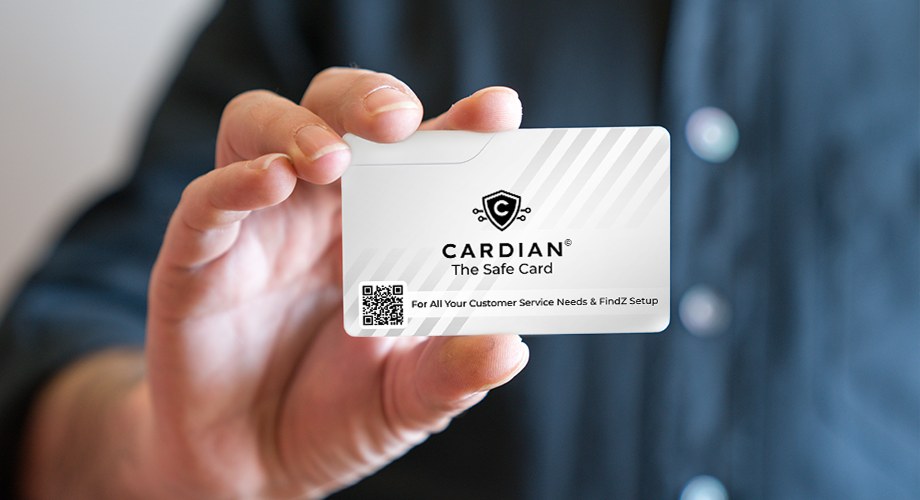
The Cardian Safe Card is an active RFID and NFC blocking card, and it’s the sweet spot between price and protection.
You drop one card into your wallet and it’s done. Cardian says it creates a roughly 5cm shielding field that disrupts scanners trying to read every card sitting near it, so a single card covers the whole billfold rather than sleeving each card one by one.
It’s the slim part that sells it: at about 1.1mm thick it’s the height of a normal card, so your wallet doesn’t gain a millimeter of bulk. There’s no battery, nothing to charge, and no app, and Cardian says the shielding keeps working for years.
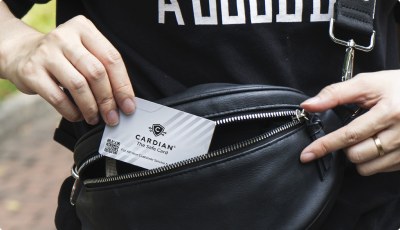
On price it’s the clear value play. Single cards sit higher, but the multipacks land near $15 a card, which is where it beats the premium option below for anyone protecting more than one wallet.
Now the honest catch, and it’s about checkout, not the card. Cardian’s order page stacks on optional add-ons like an extended warranty and priority shipping, and buyer complaints center there, so read each line before you pay and untick what you don’t want. The card itself does its one job and does it slim. Our full Cardian Safe Card review digs into the shielding, the slim build, and that checkout in more detail.
What we liked
- Active blocking shields a whole wallet from one slim card
- About 1.1mm thick, so it adds no real bulk
- No battery, no app, no setup, and it lasts years
- Around $15 a card in a multipack, the best value here
What we didn't
- Checkout pushes optional add-ons, so untick what you don't want
- Like all these cards, it's peace-of-mind insurance against a fairly rare crime
2. Wallet Defender: the best passive card
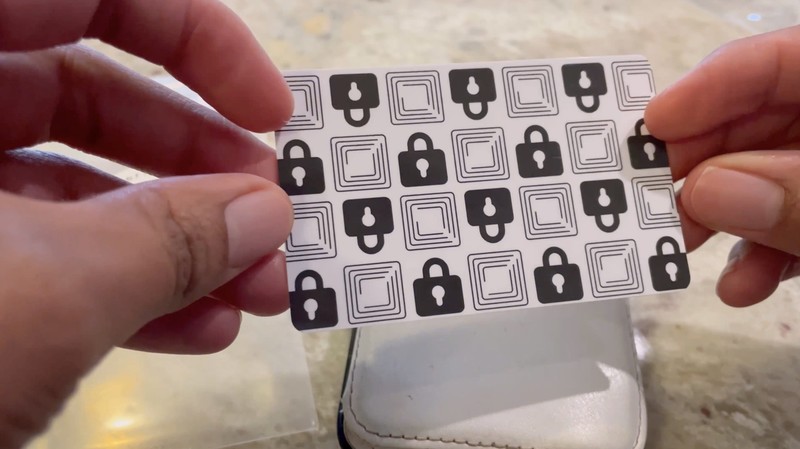
The Wallet Defender is the pick if you want a simple passive card that slips into the wallet you already own. It’s about the size of a credit card and thin enough for a normal card slot.
It works with no battery, no app, and no charging. The card generates a field that interferes with contactless reads of the cards near it, on the 13.56MHz band that tap-to-pay cards use, and one card is meant to cover the whole wallet.
The casing is built for real pocket life too. The maker lists it as waterproof and crush-proof, which matters for something you’ll sit on for years.

On price, it starts around $45 for a three-card pack, and bigger multipacks bring the per-card cost down. That makes it easy to cover a partner’s wallet, a bag, and a passport pouch in one order.
There’s no subscription and nothing to replace, and every order ships with a 30-day money-back guarantee. Our full Wallet Defender review covers how it works and the honest risk it guards against. It’s the least disruptive way to add shielding to a wallet you already like.
What we liked
- One passive card shields the cards in the wallet, bag, or pouch you already carry
- No battery, no app, no charging, and nothing to replace
- Waterproof and crush-proof casing built to survive a real wallet
- Starts around $45 for a three-card pack with a 30-day money-back guarantee
What we didn't
- Only available online
3. VAULTCARD: the most powerful
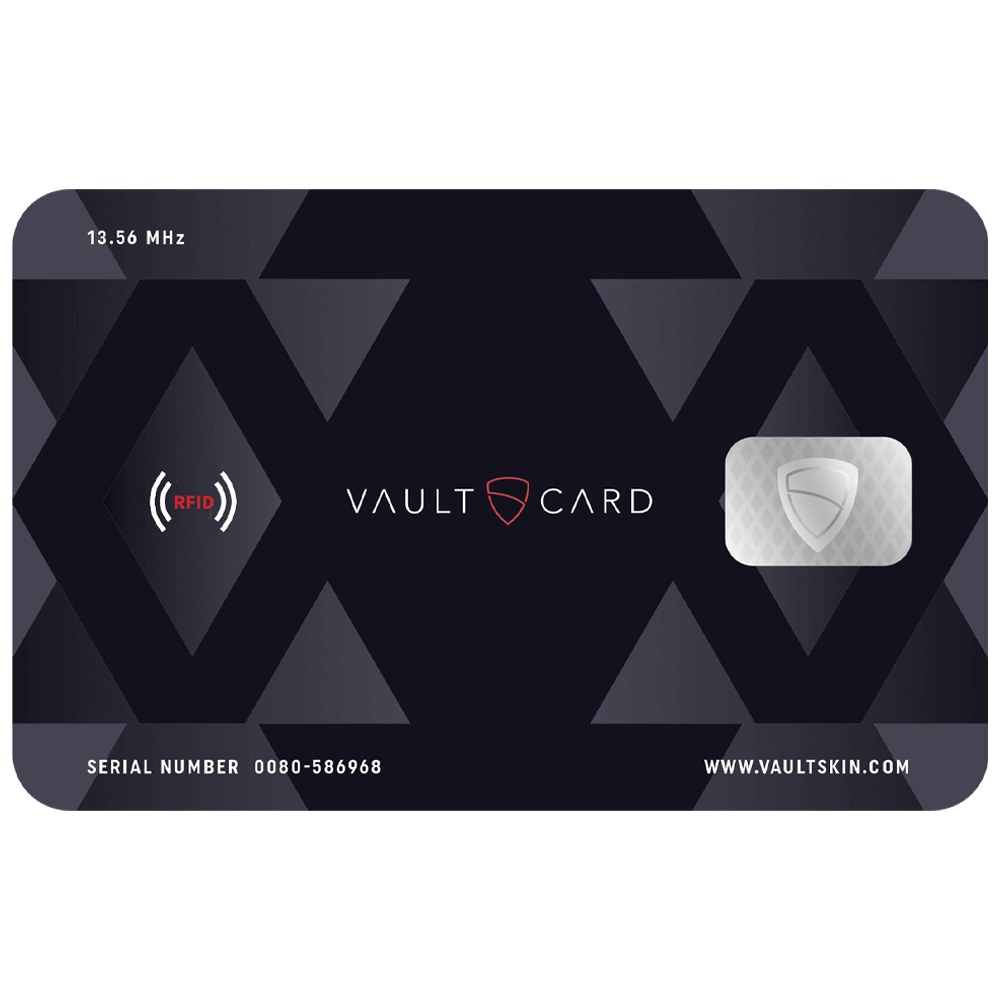
The VAULTCARD from Vaultskin is the pick when you want the strongest protection on the market and don’t mind paying for it.
It works on the same active principle as Cardian but leans harder into it. VAULTCARD harvests power from the scanner’s own signal and floods it with a jamming field, and Vaultskin markets that signal as far stronger than passive competitors, covering roughly 6cm around the card.
It’s a genuine credit-card form factor, 1.1mm thick and about 13.9 grams, needs no battery, and the maker says it never expires. It’s a well-reviewed, patented product with a long track record, which is more than most cards in this niche can claim.
The reasons it lands third are simple: it typically costs around $30 and up, roughly double Cardian’s per-card multipack price, and for everyday wallet protection that extra strength is more than most people need. If you’re the type who wants the most capable version of a thing, this is it.
4. Passive RFID-blocking cards: the cheap backup
The third option isn’t a brand, it’s a category: the plain passive blocking cards sold in cheap multipacks, usually $8 to $15 for a couple.
Instead of actively jamming, a passive card is a thin metal shielding layer that weakens the radio field a scanner needs. Slip one into your wallet and it dampens reads of the cards pressed against it.
It’s the honest budget answer, and for a lot of people it’s genuinely enough. The trade-offs are real, though: passive shielding is weaker and more position-dependent than an active jammer, coverage varies with how your cards are stacked, and the no-name brands come with no track record or guarantee.
If your goal is spending as little as possible to feel covered, a passive card does that. If you want the protection to cover the whole wallet with a guarantee behind it, the picks above are worth the small step up.
How to choose an RFID blocking card
First, be honest about your risk. If your wallet is mostly modern contactless bank cards, they already use one-time tokens a skimmer can’t replay, so your real exposure is narrow: older access badges, some corporate IDs, and passport chips. Carry those and a card makes clear sense.
Second, active versus passive. An active jammer like Cardian or VAULTCARD protects every card near it and doesn’t care how you stack your wallet, while a plain passive card shields best when it sits right against what you’re protecting. If you prefer the passive route, the Wallet Defender is the one we’d pick, since one card is meant to cover the whole wallet.
If you’re weighing a single passive blocking card sold on its own, our GuardX review breaks down one widely-advertised option, and our Wallet Defender vs CardShield comparison weighs an insert card against a whole RFID wallet.
Third, thickness and count. A good blocking card should add no meaningful bulk, and if you carry a minimalist wallet or key organizer you’ll want the slimmest option. Buy a multipack if you’re covering a partner’s wallet, a passport holder, and a travel bag, the same everyday-carry logic behind the gear in our home hub.
One last honest note: no card replaces basic habits. Keeping cards in an interior pocket in crowds, and checking statements, does more against real fraud than any gadget. A blocking card is cheap insurance on top, not a substitute.
The bottom line
The Cardian Safe Card is the one to buy first: one slim active card shields your whole wallet, needs no battery or setup, and lands near $15 a card in a multipack.
If you’d rather go passive, the Wallet Defender is the simplest add-on for the wallet you already carry, starting around $45 for a three-pack with a 30-day money-back guarantee.
Step up to VAULTCARD if you want the strongest, most proven jamming and don’t mind roughly double Cardian’s price, and grab a passive multipack if you just want the cheapest possible peace of mind.
If you’re open to a whole new wallet instead, our best RFID blocking wallets guide ranks the metal and leather options.
Whichever you pick, tuck it in before your next trip, right next to the packing gear you already trust, like the vacuum bags in our Aerless review.
Check the current Cardian deal