
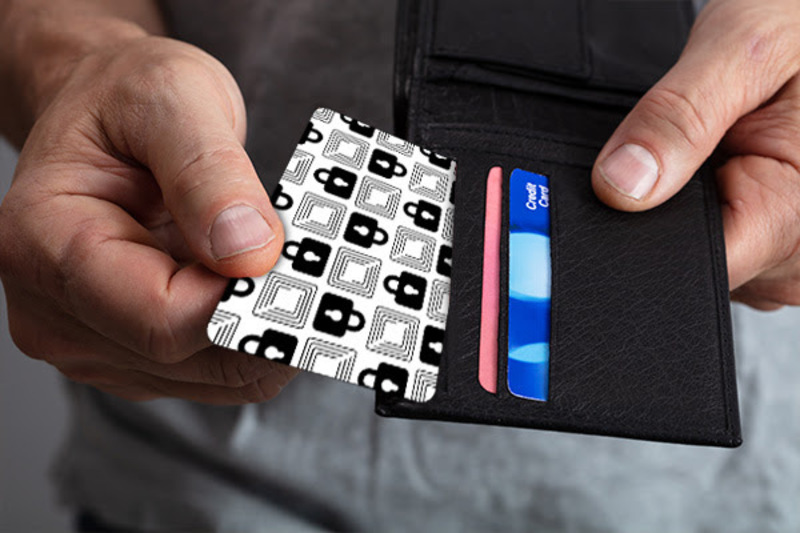
The pitch for RFID-blocking cards leans on a scary image: a thief walking past with a hidden scanner, quietly draining your cards. The truth is calmer than that, and it actually makes Wallet Defender easier to recommend, not harder.
The Wallet Defender is a single passive card you slip into any wallet, where it shields the cards around it. It needs no battery, no app, and no charging, and it costs about $45 with a 30-day money-back guarantee.
To put the Wallet Defender reviews in context, we read the maker’s listings, checked how passive RFID blocking works, compared it to full RFID wallets, and weighed what security experts actually say about the risk. We didn’t run a skimmer against it ourselves, so every claim here traces to the maker or to independent reporting.
The short version: the card does what it says, the threat it guards against is smaller than the ads imply, and at this price that’s still an easy yes for a lot of people. Here’s the honest picture.
What Wallet Defender is and how it works
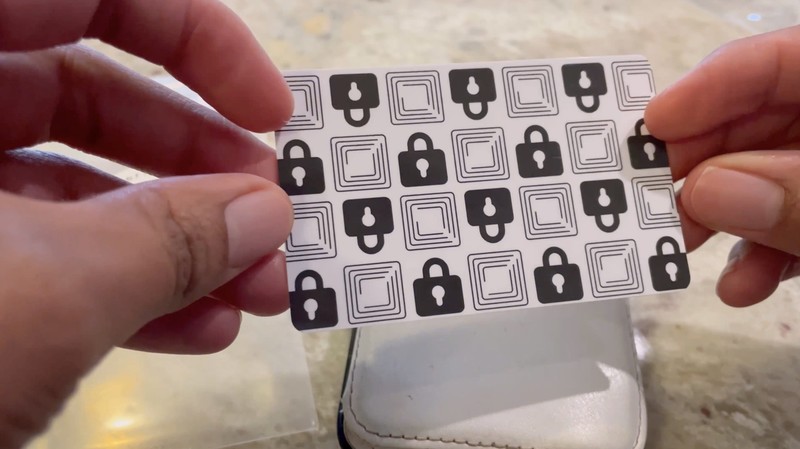
The Wallet Defender is a passive RFID and NFC blocking card, about the size of a credit card and thin enough to sit in a normal card slot. You drop it in and it works with no battery, no app, and no charging.
The way it works is quietly clever. The card generates a field that interferes with contactless reads of the cards near it, on the 13.56MHz band that tap-to-pay cards use. One card is meant to cover a whole wallet, so you’re not shielding cards one by one.
The casing is built to survive a real wallet: the maker lists it as waterproof and crush-proof, which matters for something you’ll sit on for years. There’s nothing to set up and nothing to maintain, which is most of the appeal.
The honest part: how real is the threat?
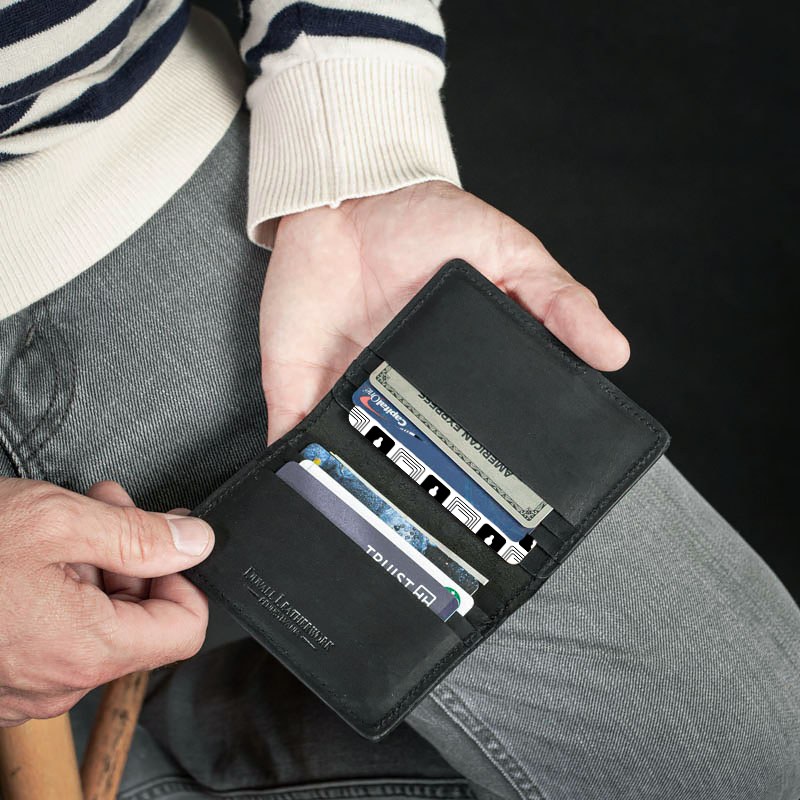
Here’s the context the sales pages leave out, and it’s worth knowing before you buy. Real-world RFID card theft is rare and largely theoretical.
Consumer advocates and security outlets have said so for years. The Identity Theft Resource Center told AARP it doesn’t believe the topic “addresses a real risk,” and CSO Online reported it couldn’t find public evidence of a single real-world RFID contactless crime. On top of that, modern chip cards transmit an encrypted one-time code per tap, not your name or security code, so a stray read can’t be replayed into purchases.
So why buy a blocker at all? Because peace of mind is worth something, and this is a cheap way to buy it. If the thought of an unshielded wallet nags at you in a crowded airport or on a packed train, one passive card ends that thought for the price of lunch. That’s an honest reason to own one. Just buy it as low-cost reassurance, not emergency armor, and you’ll be happy with it.
Price and the guarantee, straight

Wallet Defender starts around $45 for a three-card pack, and the larger multipacks bring the per-card price down from there, which is handy if you want to cover a partner’s wallet, a bag, and a passport pouch at once.
There’s no subscription and nothing to replace. The card is passive, so it never needs charging and doesn’t wear out the way a battery-powered gadget would. The sticker price really is the whole cost.
Every order ships with a 30-day money-back guarantee, so buy direct from the maker to make sure that guarantee applies to your order. That window is your real safety net, which matters more here than any star rating.
Check today's Wallet Defender priceWhat Wallet Defender reviews say

Clear eyes here too. Wallet Defender is sold through its own direct-to-consumer funnel, so most of the visible praise sits on press-release and affiliate pages rather than an independent aggregator.
You’ll see big round numbers, things like “thousands of five-star reviews,” that don’t trace to a verifiable source, and we’re not repeating those. The maker’s own page shows a 5-star rating across a couple hundred ratings, and the documented gripe worth knowing is that some buyers have reported slow customer service, which is exactly why the money-back window matters.
The fair read: early feedback skews positive, the product does the physical job it claims, and the independent, high-volume review base just isn’t there yet. Lean on the guarantee rather than the marketing math.
How it compares
The main alternative is CardShield, a carbon-fiber RFID wallet that holds up to 22 cards and shields the ones inside it. It’s a nice object, but it only protects what it holds and it means giving up your current wallet, as our Wallet Defender vs CardShield comparison lays out. Wallet Defender instead shields the wallet you already like.
For a different approach, Vaultskin’s VAULTCARD is a powered blocking card that actively jams reads for around $20 to $25, and plain RFID sleeves are the few-dollars baseline if you only want to cover one card. Among simple passive inserts, Wallet Defender’s pitch is coverage: one card for the whole wallet, not one sleeve per card.
If you want to see how our other card-style blockers stack up, the GuardX RFID blocking card and Cardian SafeCard reviews cover the same idea, and the best RFID blocking card roundup ranks Wallet Defender as its top passive pick.
If you’d rather replace your wallet entirely, our best RFID blocking wallets guide ranks the metal and leather options.
Pros and cons
What we liked
- One passive card shields every card in the wallet, bag, or pouch you already carry
- No battery, no app, no charging, and nothing to replace over time
- Waterproof and crush-proof casing built to survive a real wallet
- Starts around $45 with a 30-day money-back guarantee
What we didn't
- Only available online
Honestly, the thing I’d tell a friend is to right-size your expectations. This isn’t stopping a crime wave, because that crime wave was never really happening, but as a cheap, set-and-forget way to quiet the worry, it does the job well.
Who it’s not for
If you already keep your cards in a metal wallet or an RFID sleeve, you’re covered, and a second blocker is redundant.
And if you were hoping a card would protect you from the fraud that actually happens, phishing, data breaches, and physical theft, that’s a different toolkit. Wallet Defender guards the contactless angle specifically.
For anyone who just wants the nagging worry gone without switching wallets, the Wallet Defender is the simplest way to do it. If you’re still weighing whether it’s trustworthy, our is Wallet Defender legit guide covers the seller, the guarantee, and the complaints. And if you’re rethinking your everyday carry, the KeySmart review covers a slim key organizer that pairs with it.
Verdict
Wallet Defender earns a 9.1. It’s a single passive card that shields your whole wallet, needs zero upkeep, and costs about the same as a nice lunch, with a 30-day guarantee behind it.
Buy it for what it honestly is: low-cost peace of mind against a low-probability risk, in the wallet you already own. Judged that way, rather than as protection from an imaginary crime wave, it’s a genuinely easy little upgrade, and the guarantee means trying it costs you nothing.
See today's Wallet Defender price