
Every device promising to calm your vagus nerve makes the same pitch: a few minutes a day, and your body finally gets the off switch it’s been missing. Then you see the prices, which run from $269 to over $700.
Guess wrong and that’s a lot of money for a gadget that ends up in a drawer. Worse, in this category the most expensive device is not the best one for most people.
So we compared the four credible contenders for best vagus nerve stimulator of 2026 on price, mechanism, published evidence, and thousands of verified owner reviews. One came out ahead: the $269 Pulsetto.
The best vagus nerve stimulators at a glance
- Pulsetto: Best for most people, stress and sleep ($269)
- Nurosym: Best for research-first buyers (~$700)
- Truvaga 350: Best if you never want to open an app ($299)
- Apollo Neuro: Best for passive, all-day wear ($349)
1. Pulsetto: the best vagus nerve stimulator for most people
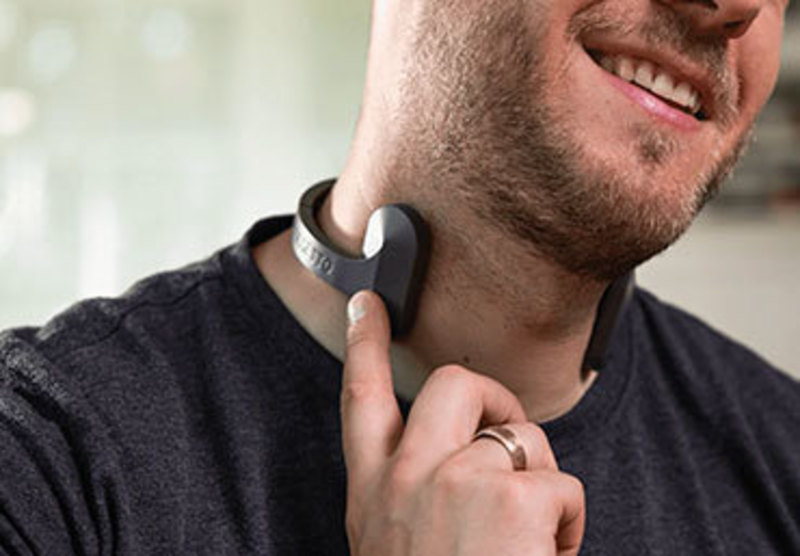
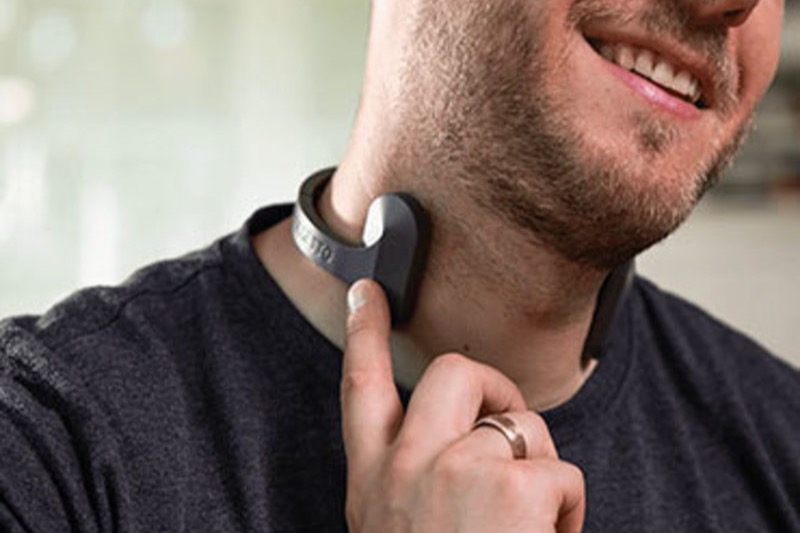
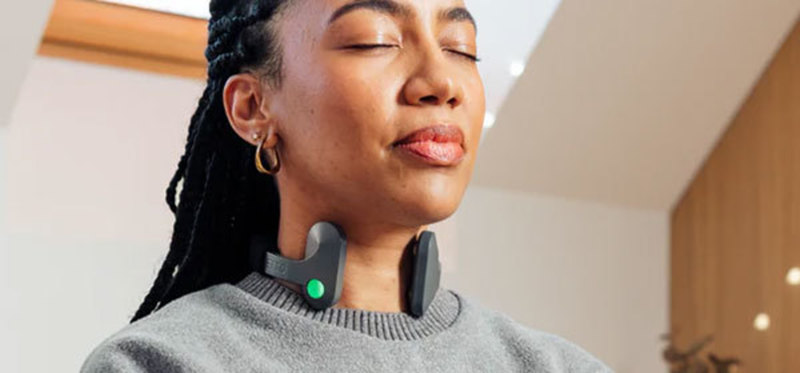
The Pulsetto is a soft collar that sits on the front of your neck and sends gentle electrical pulses to the vagus nerve, the main line of your parasympathetic “rest and digest” system.
You dab on a little conductive gel, pick a program in the app (stress, sleep, anxiety, burnout, or pain), and sit still for 4 to 10 minutes. Most owners run it twice a day.
It takes the top spot for three concrete reasons.
First, evidence: a 2025 peer-reviewed, sham-controlled study found that real Pulsetto sessions produced more alpha-wave activity, a marker of a calmer brain state, and lower arterial blood pressure than an identical-looking fake device.
Almost nothing else at this price has cleared that bar.
Second, owner volume: 4.2 stars across 3,000+ Trustpilot reviews makes it the most-reviewed consumer vagus nerve device on the market, so the average means something.
Third, price: at $269 it costs roughly a third of the ear-clip Nurosym while asking for only 4 to 10 minutes per session instead of 30.
What the product page won’t tell you: some of the best guided programs sit behind a separate app subscription on top of the hardware price, and the gel is a small ongoing cost you’ll be buying forever.
Neither killed the deal for us, but budget for both.
What we liked
- One of the only consumer devices with a 2025 sham-controlled study behind it
- Short 4 to 10 minute sessions that fit an actual routine
- $269 vs roughly $700 for the medical-grade Nurosym
- Biggest owner-review base in the category (4.2 across 3,000+)
What we didn't
- Needs conductive gel every session
- Premium guided programs cost extra via app subscription
- A real minority of users feel no difference
Against the Nurosym, the trade is simple: Nurosym has more clinical citations, the Pulsetto has a fraction of the price, shorter sessions, and a hands-off collar instead of a wired ear clip.
We break down the study, the owner sentiment, and the annoyances in our full Pulsetto review.
Check today's price2. Nurosym: the research-heavy pick, at a price
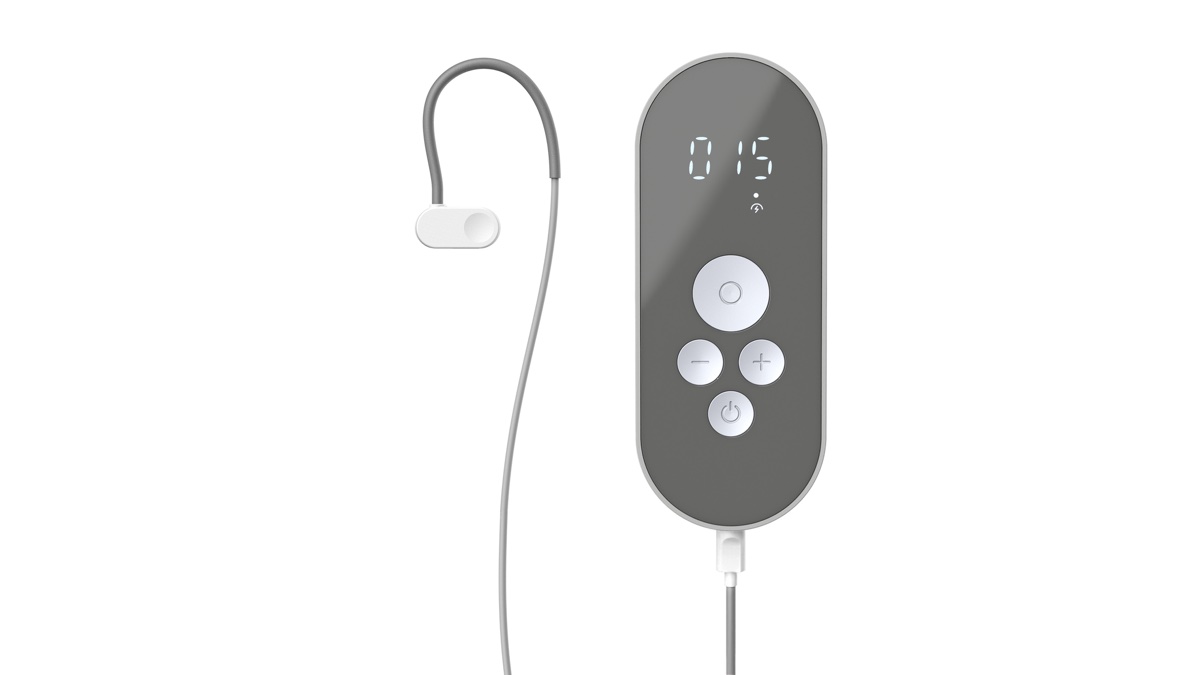
The Nurosym is an ear-clip transcutaneous vagus nerve stimulator. Instead of your neck, it targets a vagus nerve branch at the tragus, the small cartilage flap at the front of your ear, through a wired clip connected to a handheld unit.
It’s CE-certified in Europe and has accumulated more clinical citations than any other consumer device here, which is why it keeps winning the “most scientific” label in category roundups.
The catch is everything else. It costs roughly $700 (the current list price is $810), sessions typically run about 30 minutes rather than 5, and you’re physically tethered to the unit by a wire the whole time.
On the plus side, there’s no gel and no subscription, so the sticker price is the whole price.
Honestly, if money were no object and I wanted the most-studied device, this is the one I’d pick.
For everyone else, you can buy a Pulsetto, feed it gel for years, and still be hundreds of dollars ahead.
3. Truvaga 350: the no-app option
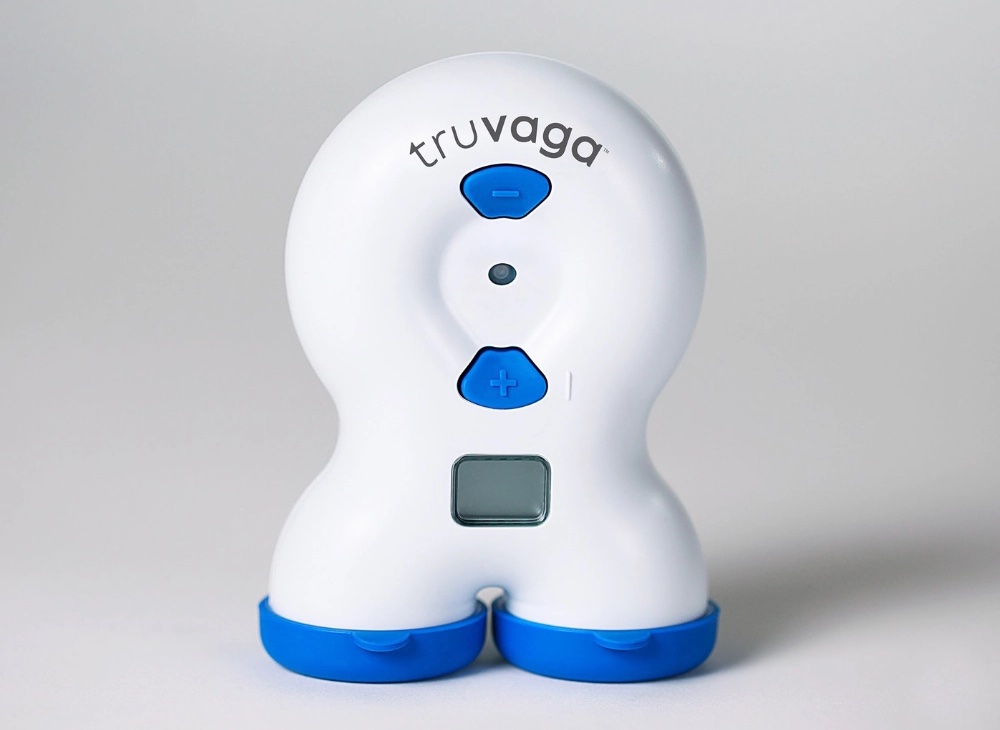
The Truvaga 350 is a handheld wand you press against the side of your neck for two minutes at a time.
It comes from electroCore, the company behind gammaCore, a clinician-prescribed stimulator, so the underlying tech has a serious lineage.
Innerbody’s testers reported the fastest, most noticeable effects from it for focus and sleep among the devices they tried.
There’s no app and nothing to pair; you hold it, it runs, you’re done. At $299 it sits right next to the Pulsetto on price.
Here’s the quirk buried in the fine print: the 350 in the name is a session count. The device comes preloaded with 350 sessions, about six months at two per day, and when they’re gone, they’re gone.
The rechargeable Truvaga Plus removes the cap but costs $499 and reintroduces the app. It also uses conductive gel, and holding a wand to your neck means your hands are busy for the whole session.
Good pick if apps annoy you; just know you’re buying a consumable.
We put it head to head with our top pick in Pulsetto vs Truvaga, round by round on price, evidence and convenience.
4. Apollo Neuro: the passive wearable

The Apollo Neuro takes a different route entirely: it’s a wrist or ankle wearable that uses gentle vibration (“touch therapy”) rather than electrical stimulation, with the aim of nudging the nervous system toward calm.
That makes it the only pick here you can wear passively all day and through the night, with no gel, no sessions to schedule, and nothing pressed to your neck or ear.
The trade-off is directness.
Vibration through the skin is a gentler, less targeted mechanism than electrical stimulation, the supporting studies are company-backed rather than independent sham-controlled work, and owners tend to describe the effect as subtle.
It’s $349 including a year of the SmartVibes app membership, and there’s a 30-day return window.
Pick it if the ritual of an active session is exactly what you won’t stick to, and a set-and-forget wearable is what you will.
See the Apollo Neuro on Amazon →
How to choose a vagus nerve stimulator
Start with the mechanism you’ll actually use. Electrical neck devices (Pulsetto, Truvaga) deliver short, deliberate sessions of 2 to 10 minutes and need gel.
The ear-clip Nurosym runs longer wired sessions of about 30 minutes. Vibration wearables like Apollo Neuro are passive but subtler.
A device you use daily beats a stronger one that sits in a drawer, and gel-plus-five-minutes is a commitment some people quietly abandon.
Then weigh evidence against price. Nurosym has the deepest research stack but costs roughly $700.
Pulsetto is the best vagus nerve stimulator device on evidence-per-dollar: a 2025 sham-controlled study and the category’s largest review base for $269.
Truvaga’s lineage is real, but the 350’s session cap makes it a six-month consumable, so factor in the replacement cost.
Be clear-eyed about what the evidence shows. The studies so far are small and mostly single-session.
They point to a genuine calming effect on average, not a guaranteed result for you, and none of these devices treats or diagnoses any condition.
Every pick here has a return window; the sensible move is to run a device daily for two to four weeks and return it honestly if nothing changes.
And if electrical stimulation isn’t appealing at all, a breathing pacer attacks the same wound-up nervous system without electrodes.
Our Moonbird review covers the best one, and our best sleep gadgets roundup compares the wider field. If your mornings run on caffeine and you want a calmer version, our best mushroom coffee roundup covers that switch.
The verdict
The Pulsetto is the best vagus nerve stimulator for most people in 2026: real sham-controlled evidence, the category’s biggest review base, and short daily sessions at $269.
Nurosym is for research-first buyers who can spend $700 and sit wired for half an hour. Truvaga 350 suits people who never want to open an app and accept a session cap. Apollo Neuro is for those who want calm as a background process, not a ritual.
Check today's Pulsetto price