

Slow breathing is the one stress fix with real physiology behind it, and it’s also the one almost nobody sticks with.
You start a 4-7-8 cycle with good intentions, your mind drifts to the email you didn’t send, and thirty seconds later you’re not breathing slowly, you’re doomscrolling a meditation app. Moonbird exists for exactly that failure mode.
For this Moonbird review we went through roughly 800 Trustpilot owner reviews, the 2025 peer-reviewed study that put it head-to-head with a rival device, and the long-term editorial tests at Tom’s Guide and Healthline.
The short version: the tactile trick genuinely works for most owners, the research is unusually solid for a $199 wellness gadget, and the price is the honest sticking point. Let’s get into it.
What Moonbird is and how it works
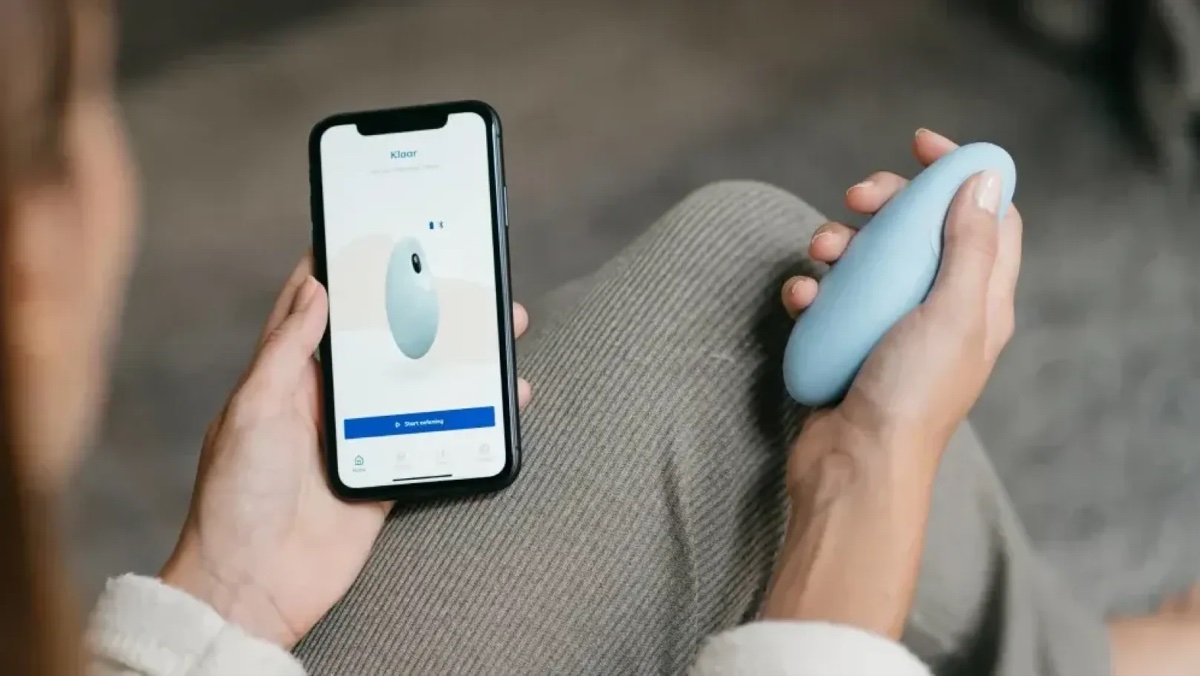
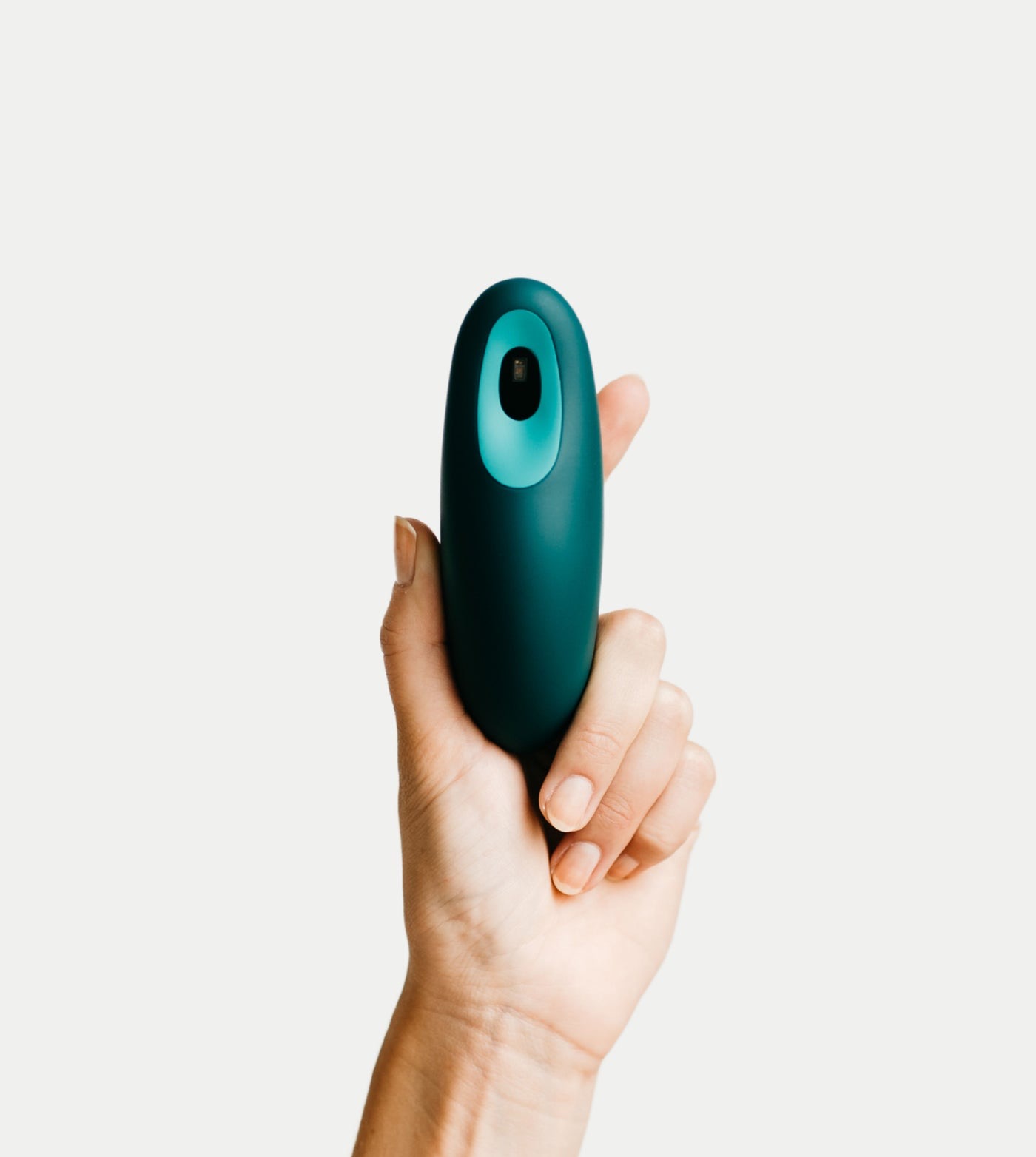
Moonbird is a handheld breathing pacer, a smooth silicone-covered oval about the size of a computer mouse. Switch it on and it physically expands and contracts in your palm. You breathe in as it swells, out as it shrinks.
That’s the whole interaction. No screen, no counting, no voice telling you to notice your thoughts. If you want the mechanism broken down step by step, our how does Moonbird work guide walks through a full session.
The tactile part matters more than it sounds. Your body syncs to a physical rhythm with far less mental effort than following a timer or an animation, which is why it works with your eyes closed in a dark bedroom.
Quick resets run 2 to 5 minutes; a wind-down before sleep runs 10 to 20.
There’s a sensor in the thumb rest, too. Pair the device with the companion app and it reads your heart rate and heart rate variability in real time, so you can watch your body actually downshift during a session.
The basic app costs nothing extra; a premium tier with personalized pacing and an AI coach is a separate subscription. The device works fine standalone if you never open the app at all.
Key specs
| Spec | Detail |
|---|---|
| Type | Handheld tactile breathing pacer |
| Session length | 2 to 5 minutes (quick calm), 10 to 20 (deep wind-down) |
| Biofeedback | Heart rate + HRV via thumb sensor, shown in the app |
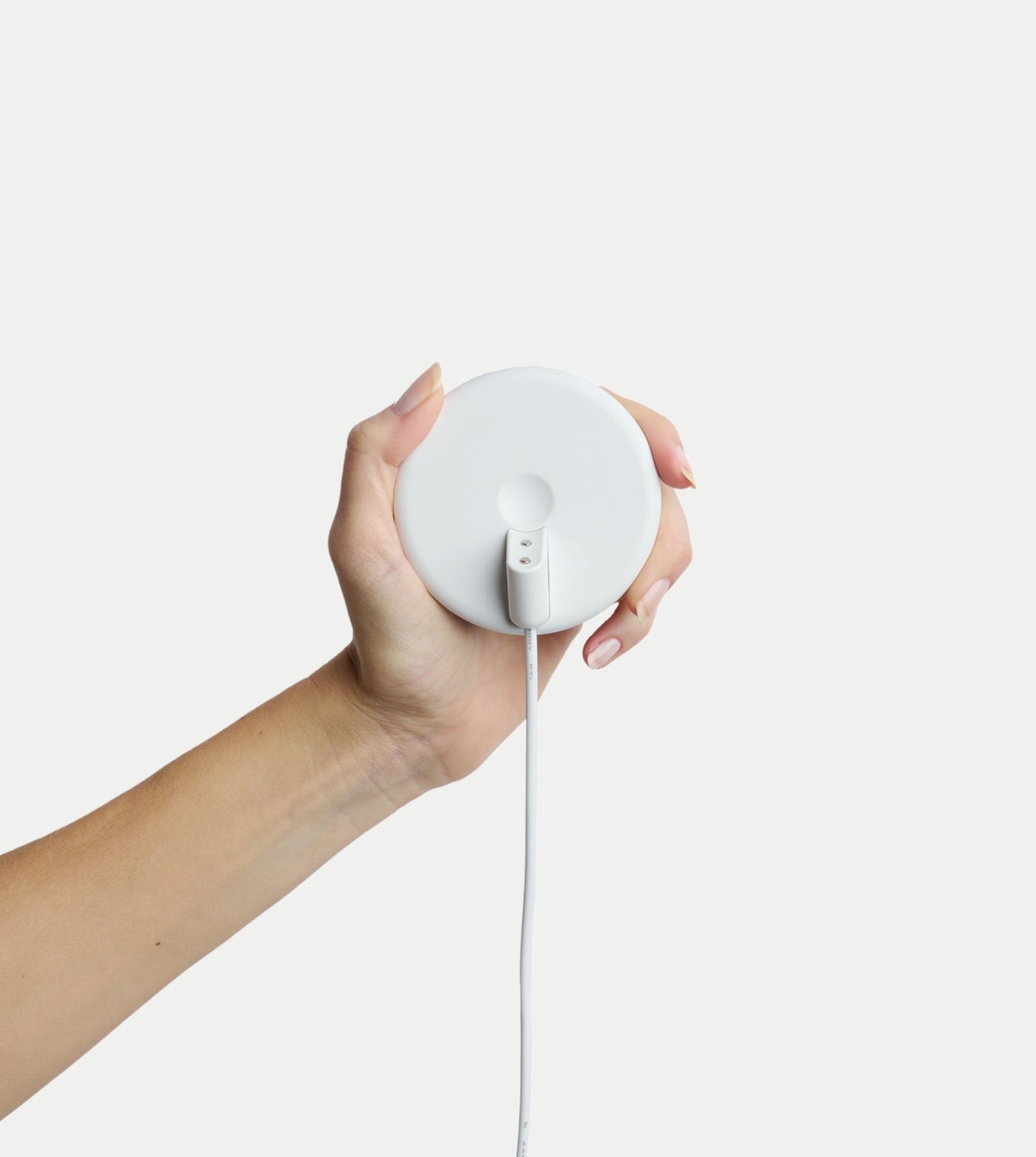
| Battery | About 2 hours of guided breathing per charge |
| App required? | No; app adds biofeedback and extra programs |
| Price | $199 list; the official store showed $149.99 in July 2026 |
| Guarantee | 30-day money-back, 2-year warranty |
| Main rivals | Core by Hyperice, Dodow, breathing apps you already have |
What the research actually shows
Two things are worth separating here. Slow-paced breathing itself is well-studied: breathing around six breaths per minute reliably nudges the nervous system toward its rest state. Moonbird doesn’t need to prove that part.
The fair question is whether a $199 pacer does it better than a phone.
There’s a real study on that.
In 2025, researchers published a head-to-head trial in the International Journal of Clinical and Health Psychology: 36 highly stressed adults used both Moonbird and the Core meditation trainer while wired up to EEG, ECG, and a breathing belt.
Breathing rates dropped with both devices, but the effect held on after sessions more strongly with Moonbird, and participants preferred it for handling and breathing guidance.
Be precise about what that buys you. It’s one small study on stressed-but-healthy adults, measured over sessions, not months. It supports Moonbird as a relaxation and sleep-support tool with a mechanism that shows up on lab instruments.
It doesn’t make Moonbird a treatment for anxiety or insomnia, and Moonbird shouldn’t replace care you’re getting from a professional. If you’re still weighing the evidence, our guide on whether the Moonbird breathing device really works unpacks the study and who breathwork isn’t for.
For how Moonbird and Core compare beyond that one study, from price to everyday ease, see our Moonbird vs Core meditation trainer comparison.
What owners say

Across roughly 800 Trustpilot reviews, Moonbird owners average 4.3 out of 5, and the most common storyline is a skeptic getting converted.
“At first, I was skeptical about the product. How could such a small device relieve stress or even make you feel better and be less anxious? Well, it does, really!”
“The breathing exercises I do with the Moonbird help me to fall asleep more quickly, giving me a more restful night.”
“It really helps me to fall back asleep quickly.”
Editorial testers land in the same place. Tom’s Guide’s reviewer wrote in April 2026 that it “transformed my bedtime routine and my morning energy levels,” and Healthline’s reviewer felt “calmer in probably just a minute or so” of holding it.
The recurring gripe is the price, followed by a practical quirk several owners flag: the motion-activated power switch can wake the device up inside a bag and quietly drain the battery.
Pros and cons
What we liked
- Tactile pacing works eyes-closed in the dark, no screen between you and sleep
- A 2025 head-to-head study found breathing stayed slower after sessions, with owners preferring it over Core
- Real biofeedback: the thumb sensor shows your heart rate and HRV responding live
- No subscription needed for the core experience, and it works without the app entirely
What we didn't
- Only available online
That first con deserves a straight answer, because it’s the objection everyone raises. If a breathing app already works for you, keep using it and keep your $199. We lay out that whole trade, including the cost-over-time math, in our meditation devices vs meditation apps guide.
Moonbird earns its price only in the gap where apps fail: eyes closed, phone in another room, no screen glow at 2am, nothing to read or count. Honestly, the device feels almost too simple when you unbox it.
That simplicity turns out to be the entire point.
Who it’s not for
If you’re disciplined enough to do ten slow breaths on your own, or your current app streak is working, Moonbird won’t add much beyond comfort.
If your stress problem feels more like a stuck nervous system than a wandering mind, a stimulation device such as the Pulsetto vagus nerve stimulator attacks the same goal from a different angle, at $269. We put the two side by side in our Moonbird vs Pulsetto comparison if you’re torn between them.
And if the budget caps out under $100, Dodow’s $59 light metronome paces your breathing from the nightstand, no hands involved. We line up the strongest swaps, hands-off and budget, in our best Moonbird alternatives guide.
It’s also worth repeating: this is a relaxation aid. The evidence for slow breathing is real but modest, and if you want the honest picture before you buy, our guide on whether breathwork actually works for anxiety lays out what the studies do and don’t show, and our guide on whether breathwork devices help with panic attacks covers the in-the-moment case. If anxiety or sleeplessness is disrupting your life, that’s a conversation for a professional, not a gadget.
For everyone else, and especially for people whose meditation apps die of neglect by February, Moonbird is the rare calm gadget where the evidence, the owner sentiment, and the mechanism all line up.
It’s our favorite pure breathing tool in the best sleep gadgets of 2026 roundup, and with the official store showing $149.99 at this writing, the usual price objection is softer than it’s been.
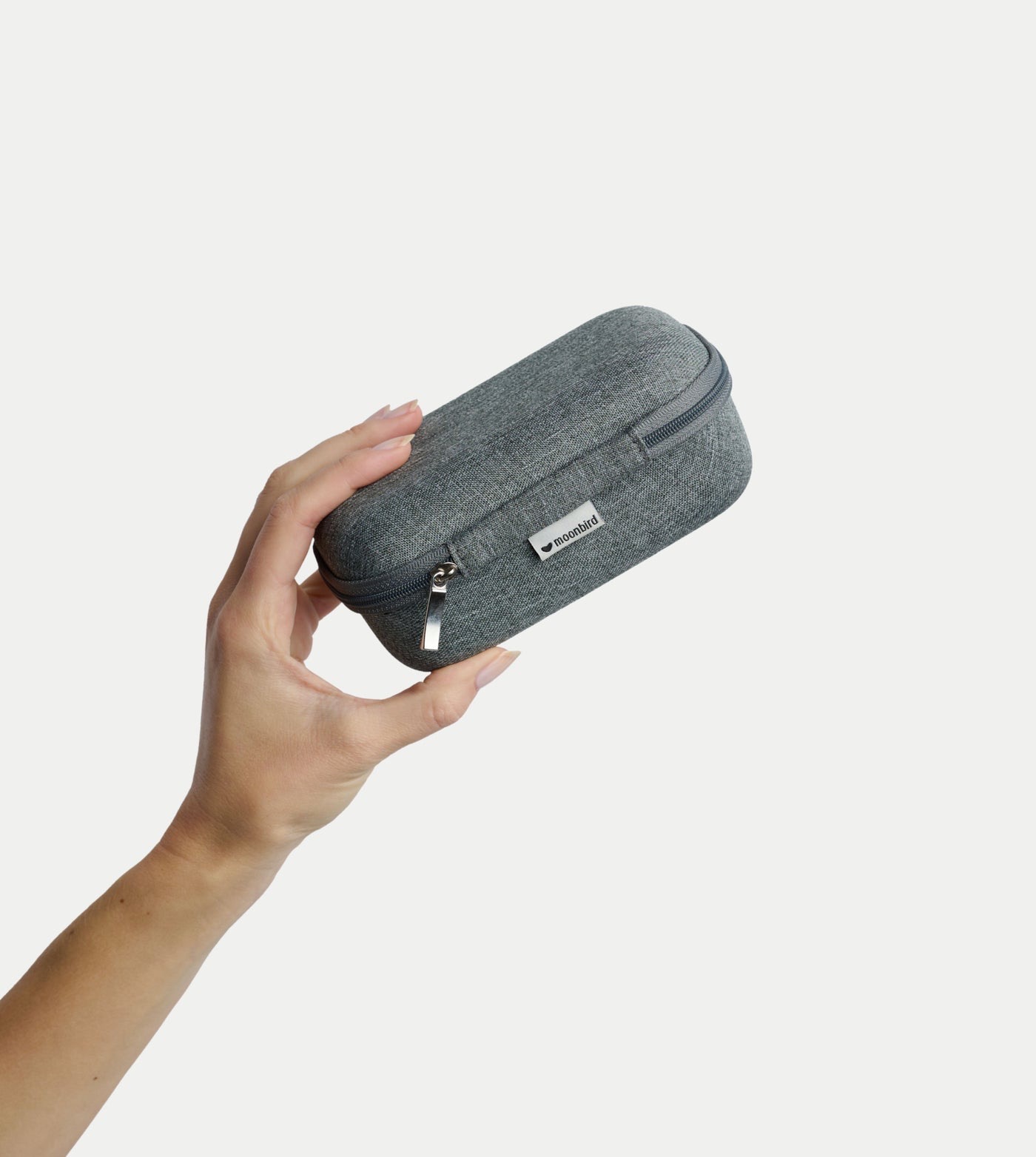
It’s also small enough to live in a carry-on, which is half the appeal for anxious flyers. If you’re building a travel kit around it, it tops our best travel wellness gadgets roundup, our Aerless review covers the vacuum bags that open up case space to bring it, and our jet lag recovery tips that work guide shows where a slow-breathing wind-down fits into an actual time-zone reset.
Check today's price