
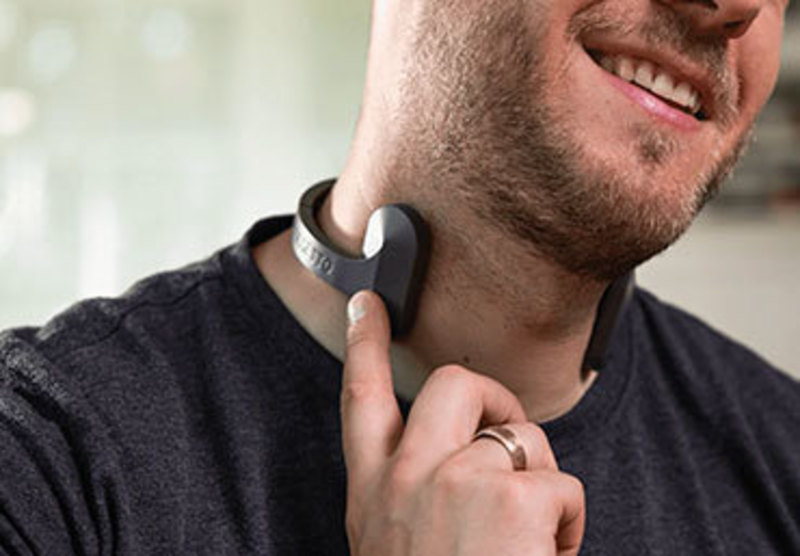
Everyone tells you to lower your cortisol. Almost nobody tells you how, beyond the usual advice to breathe, meditate, and sleep more, which is hard to do when your nervous system is stuck in fight-or-flight in the first place.
That’s the gap Pulsetto is built for. It stimulates the vagus nerve, the wiring that flips your body from stress mode into rest mode, and it does it in a few minutes without an app streak or a willpower battle. If you’ve been wondering whether your own vagal response is out of balance, our guide to the symptoms of a trapped vagus nerve covers the signs to watch for and when to see a doctor.
So does it hold up? For this Pulsetto review we read through more than 3,000 owner reviews, the 2025 peer-reviewed study, and the independent testing roundups, and weighted the credible feedback over the drive-by one-liners.
The short answer: it works for most people as a calming and sleep aid, the research is better than you’d expect for this category, and there are two real annoyances worth knowing before you spend $269.
What Pulsetto is and how it works
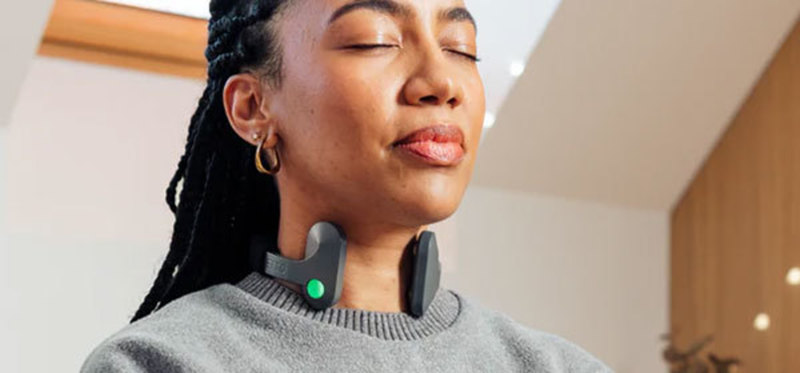
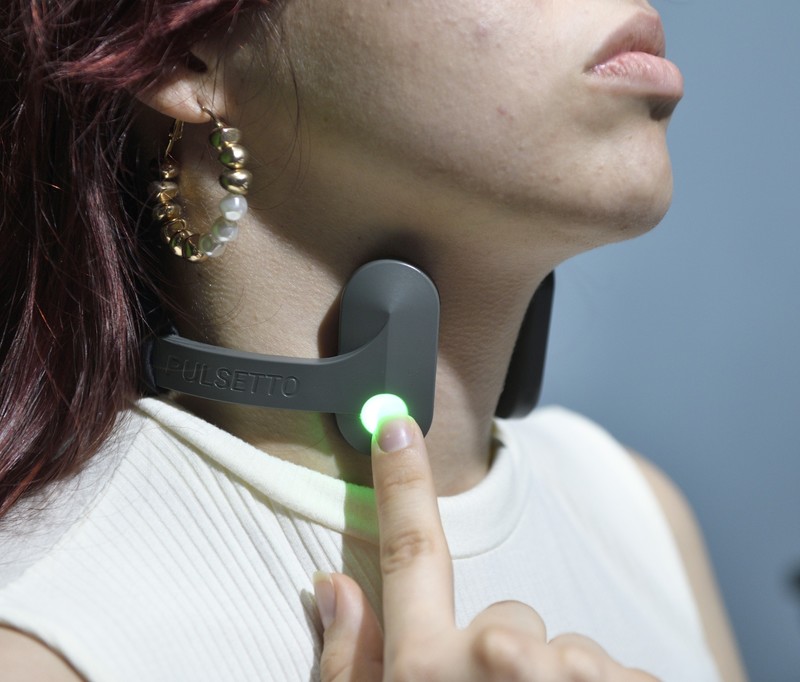
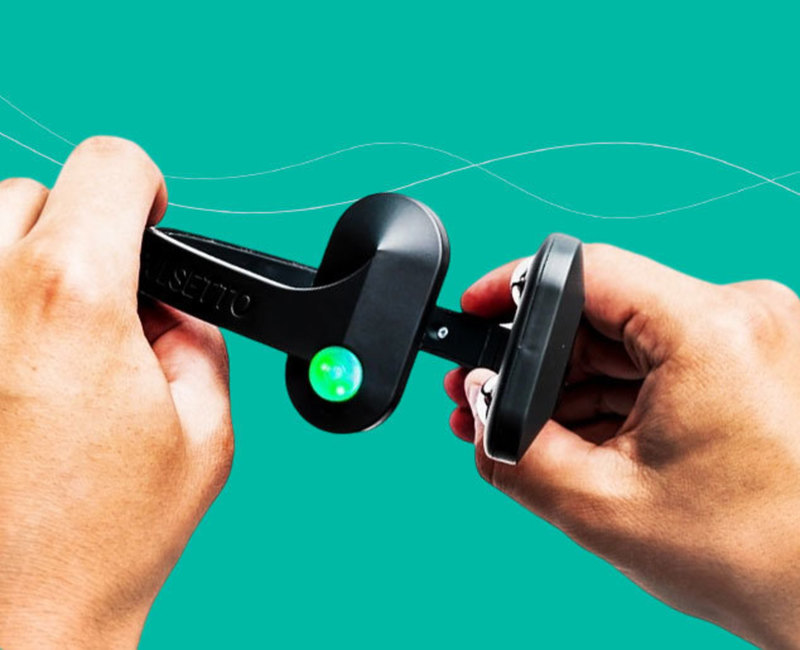
The Pulsetto device is a non-invasive vagus nerve stimulator, or nVNS, marketed as an antistress device for daytime calm and night relaxation alike. It’s a soft collar that sits around the front of your neck.
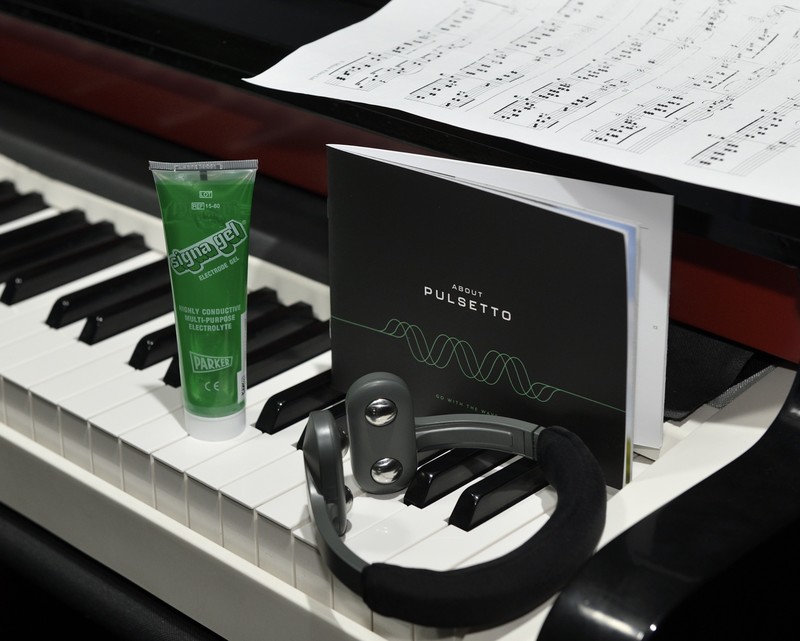
You add a little conductive gel, pick a program in the app (stress, sleep, anxiety, burnout, or pain), and it sends gentle electrical pulses to the vagus nerve for 4 to 10 minutes.
That nerve is the main line of your parasympathetic system, so stimulating it nudges your body toward the “rest and digest” state instead of “wired and tense.”
Curious how much evidence sits behind this device category as a whole? Our guide to whether vagus nerve stimulators really work walks the evidence ladder from implanted medical stimulators down to consumer collars. And if you want the plain-English mechanics of what the current is actually doing, our guide on whether Pulsetto actually stimulates the vagus nerve breaks it down.
You don’t lie on your side comfortably during a session, and you do need the gel each time, so it’s a sit-still-for-five-minutes ritual rather than something you wear around the house.
More isn’t better here, either. Two or three short sessions a day is plenty, and our guide on whether you can overdo vagus nerve stimulation covers the overuse signs and a safe starting routine. For what to expect physically, our guide on Pulsetto side effects and how long to use it breaks down the mild reactions and the ideal session length.
Key specs
| Spec | Detail |
|---|---|
| Type | Neck-worn non-invasive vagus nerve stimulator (nVNS) |
| Session length | 4 to 10 minutes, typically twice a day |
| Programs | Stress, sleep, anxiety, burnout, body (via app) |
| Requires | Conductive gel each session; smartphone app |
| Price | Around $269 list, frequently discounted |
| Main rival | Nurosym (ear-clip, ~$700), Truvaga (handheld, $299) |
What the research actually shows
This is where Pulsetto separates itself from the sea of stress gadgets that run on vibes.
Sham-controlled research on cervical vagus nerve stimulation, the neck-based method Pulsetto uses, found lower blood pressure and a trend toward more alpha-wave activity, a marker of a calmer brain state, versus a control condition.
That’s a genuine signal for the approach, not a testimonial.
Be precise about what it means, though. That research tests the method rather than the Pulsetto device specifically, and Pulsetto’s own device study is company-run and open-label, so treat the evidence as promising rather than proven. Long-term effects haven’t been studied yet. If the blood-pressure angle is what caught your eye, our guide on whether Pulsetto can lower blood pressure walks through exactly what the studies do and don’t show.
Treat Pulsetto as a relaxation and sleep-support tool with a real mechanism behind it, not a medical treatment.
What owners say
“It does what it said it would and genuinely helps me fall asleep. I use the sleep program most nights now.”
“I was a skeptic. Five minutes on the stress setting and my shoulders drop. It has honestly improved my life.”
“The guided programs are the best part. It feels like a data-driven routine rather than a gimmick.”
The consistent themes across the credible reviews are reduced stress and better sleep, plus real appreciation for the guided sessions and the compact design. The honest counterweight: a real minority say they felt no difference at all.
That’s normal for this category, and it’s why the 30-day window matters.
Pros and cons
What we liked
- Built on cervical vagus nerve stimulation, a method with sham-controlled research behind it
- Short, hands-off 4 to 10 minute sessions that fit a real routine
- Guided app programs for sleep, stress, anxiety and burnout
- Far cheaper than the medical-grade Nurosym ($269 vs ~$700)
What we didn't
- Only available online
Who it’s not for
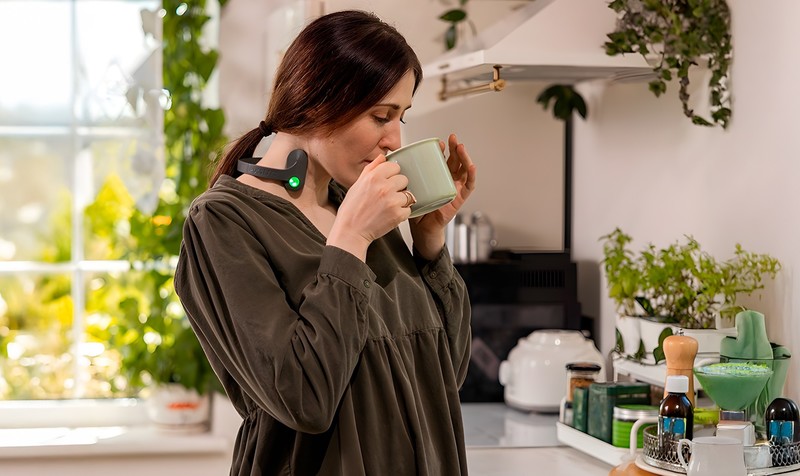
If you want a device you can wear passively while you work, this isn’t it. Pulsetto needs gel and a still five minutes, so it’s a deliberate ritual.
There’s also a real medical no-list. If you have a pacemaker or another implanted electronic device, a serious heart-rhythm condition, metal implanted near your neck, or you’re pregnant or under 18, read our guide on who should avoid vagus nerve stimulation devices before you buy.
If you’d rather not buy anything, much of the same calming effect is free. Our guide to how to stimulate the vagus nerve naturally grades the methods by evidence, from slow-exhale breathing to cold water, and our walkthrough of the 7 minute vagus nerve reset turns them into a routine you can run tonight. Pulsetto’s real edge over them is just consistency.
Want the full Pulsetto comparison before you decide? If you’re chasing the most-studied device on the market and price doesn’t matter, the ear-clip Nurosym has more clinical citations and is the better fit, as we lay out in our Pulsetto vs Nurosym comparison.
If you’d rather skip the app entirely, the handheld Truvaga is the other neck device worth weighing, and our Pulsetto vs Truvaga comparison breaks that matchup down.
If the gel and the sit-still ritual are the sticking point, the handheld Moonbird breathing coach gets at the same nervous-system switch with no electricity and no neck fit to get right, and our Moonbird vs Pulsetto comparison lines the two up side by side.
And if you have a diagnosed condition, this is a stress and sleep support tool, not a replacement for medical care.
For most people who just want a science-backed way to switch off at the end of the day, though, Pulsetto is the best-value option we found. If the ads have you wondering whether it’s a scam, our guide on whether Pulsetto is a scam sorts the real complaints from the noise. Still weighing the price? Our honest take on whether Pulsetto is worth it breaks down the real cost of ownership, gel and app tier included, our guide to whether insurance will pay for a vagus nerve stimulator explains the HSA/FSA route that can save you around 30%, our guide on whether Pulsetto really works separates the evidence from the marketing and lists who should not use it, and if you’re worried about recurring charges, we answer whether Pulsetto charges a monthly fee in plain terms. Sharing one with a partner or housemate? Our guide on whether two people can share a Pulsetto covers the hygiene and app setup.
If you’re comparing it against other calming and sleep tools, see our roundup of the best sleep gadgets of 2026. And if your stress spikes with your morning coffee, our health and wellness picks cover calmer, lower-jitter options. For a five-minute self-care ritual aimed at your face rather than your nervous system, our electric gua sha review covers a heated, light-therapy take on the classic tool. And if it’s your lungs that need a daily reset rather than your nerves, our AirPhysio review covers a different kind of five-minute device.
Check today's price