
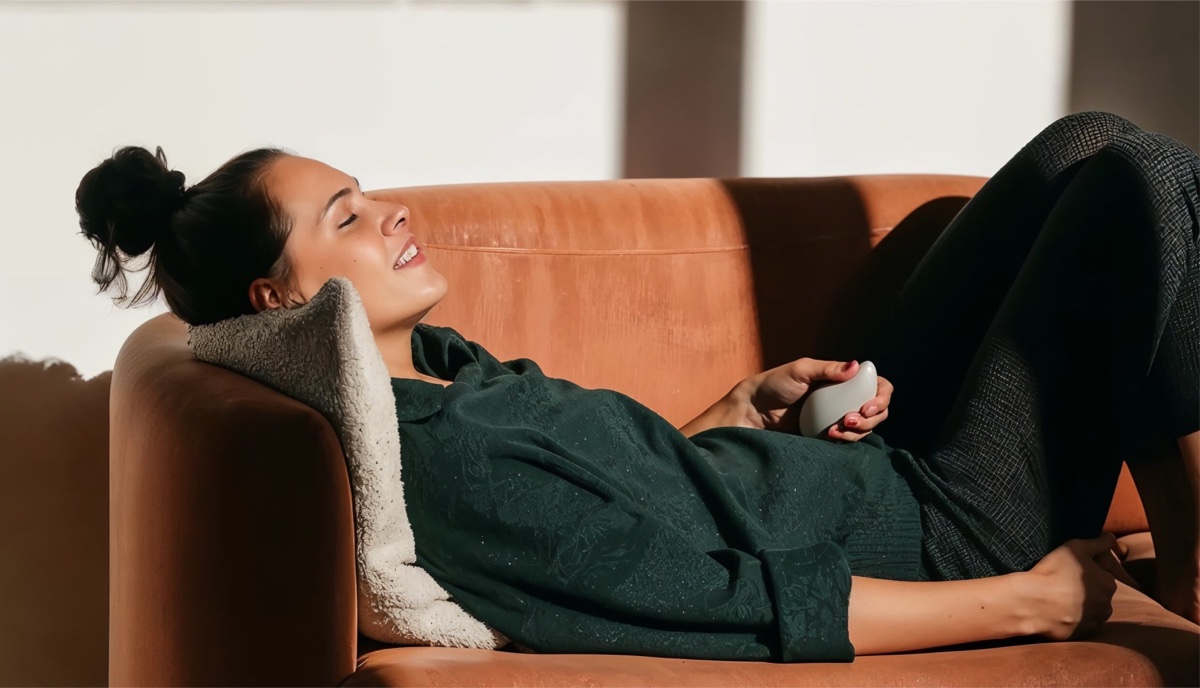
If you’re reading this at 1 a.m., you’ve probably already tried the obvious fixes: no screens, no late coffee, a cooler room. And you’re still staring at the ceiling.
When the basics aren’t enough, the next step is usually a gadget, and the market is full of overpriced ones that do nothing.
So we researched dozens of sleep and calm devices, read thousands of verified owner reviews, and checked the actual studies where they exist. Three earned a spot as the best sleep gadgets of 2026, and the $199 Moonbird breathing pacer leads the list.
The best sleep gadgets at a glance
- Moonbird: Best for overall wind-down and calm ($199)
- Pulsetto: Best for a racing, stressed mind ($269)
- Dodow: Best budget pick for falling asleep ($59)
1. Moonbird: the best sleep gadget for most people

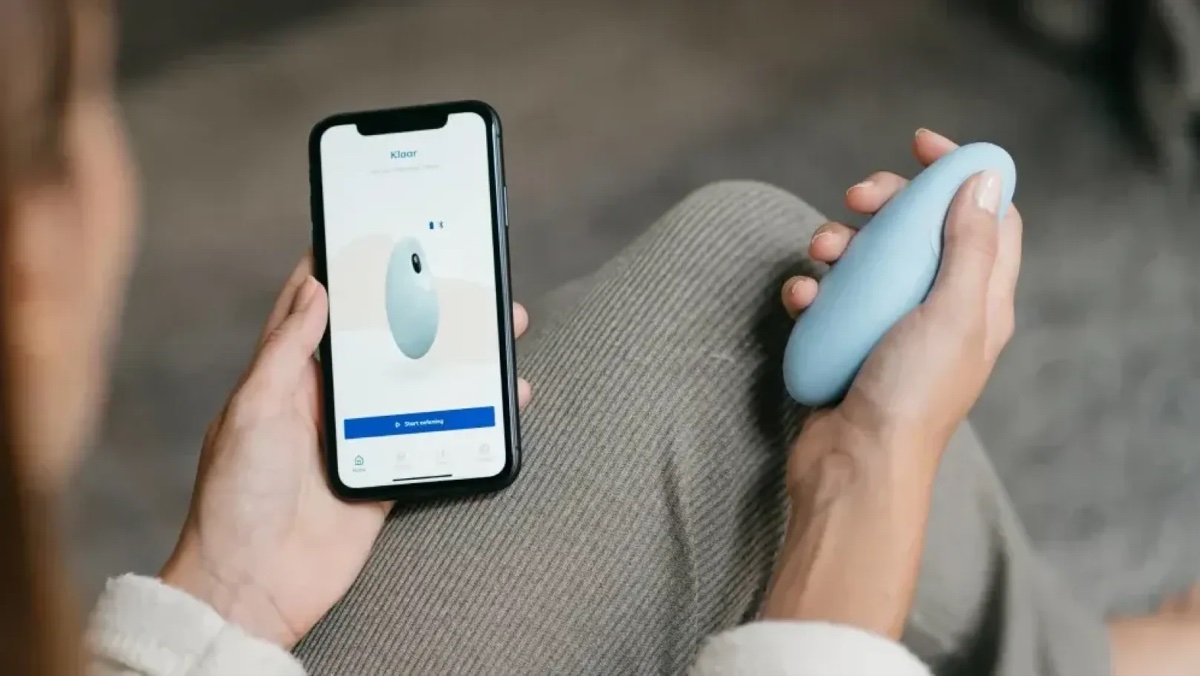
The Moonbird handheld breathing pacer is a small device that expands and contracts in your hand, and you match your breath to it. That sounds simple, and that’s the point.
Slowing your breathing is the fastest way to tell your body it’s safe to sleep. Holding something that physically paces you is far easier at midnight than following an app you have to look at.
It earns the top spot for three reasons. Owner sentiment is genuinely strong, sitting around 4.3 out of 5 across roughly 800 reviews, with the common story being “I was skeptical, then it worked.”
A 2025 study of 36 highly stressed people found their breathing rate dropped during and after sessions, and that they preferred the Moonbird to a rival device.
And at $199 it undercuts the flashier options while doing the one thing that matters most.
What we liked
- Tactile pacing works when a phone app can't hold your attention
- Backed by a 2025 study on stressed users
- Optional app adds real-time heart rate and HRV feedback
What we didn't
- $199 is a lot for a breathing pacer, and no-cost apps pace breathing too
- Can switch on in a bag and drain the battery
The honest objection is the price, since breathing apps cost nothing. The tactile element is what you’re paying for, and for people who can’t stick with an app, it’s worth it.
Against the $269 Pulsetto below, the Moonbird is the simpler tool: nothing on your neck and no gel to apply. Our Moonbird vs Pulsetto comparison breaks down the full trade-off if you’re deciding between the two.
Check today's price2. Pulsetto: the best pick for a stressed, racing mind
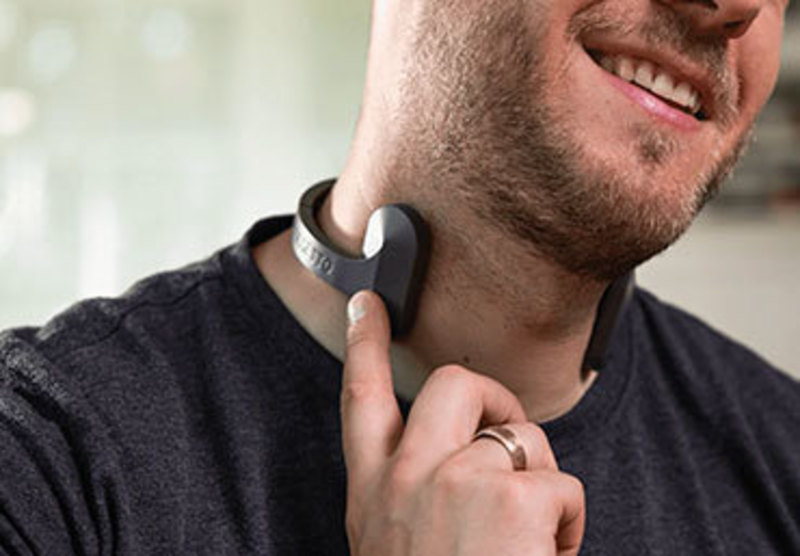
If your problem isn’t winding down so much as a mind that won’t stop, the Pulsetto vagus nerve stimulator is the better tool.
It’s a neck-worn device that stimulates the vagus nerve, the wiring that shifts your body out of fight-or-flight, in short 5-minute sessions.
It’s the most-reviewed device of its kind. And unlike most stress gadgets, the Pulsetto has a 2025 sham-controlled study showing a real calming effect versus a fake device.
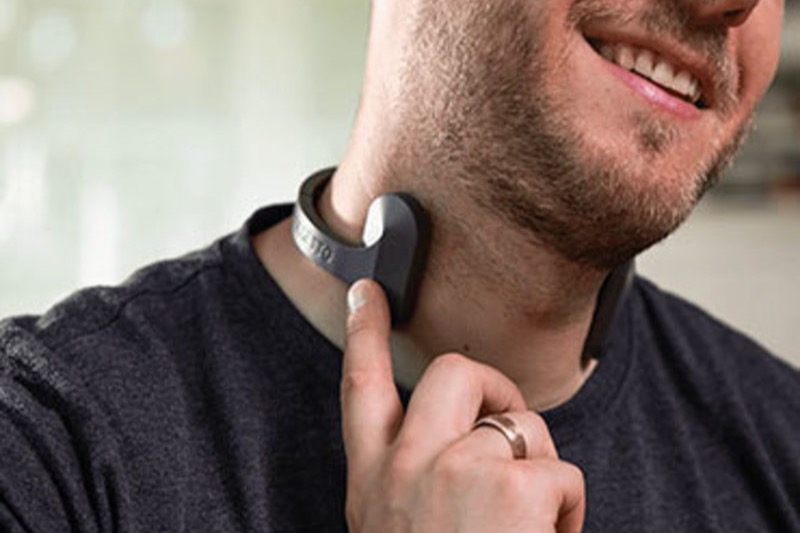
It costs more than the others at $269, needs conductive gel each session, and hides some programs behind an app subscription.
But for stress-driven sleeplessness, it’s the standout. We go deep on it in our full Pulsetto review.
Check today's price3. Dodow: the best budget pick
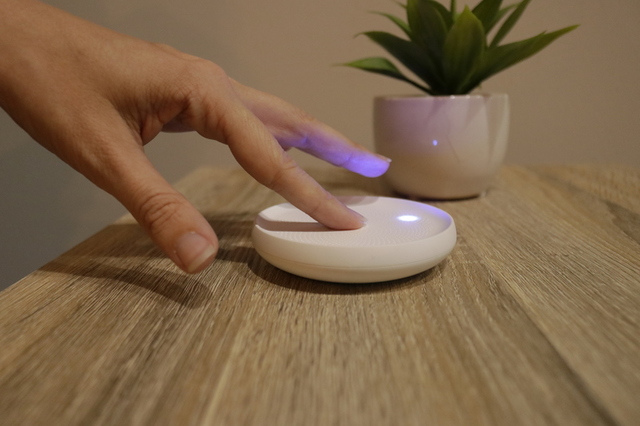
The Dodow sleep light is the low-risk way to test whether a sleep gadget helps you at all.
It projects a soft, pulsing light on your ceiling that slows from 11 breaths a minute down to 6, and you breathe along until you drift off.
At around $59 it’s a fraction of the price of everything else here.
It doesn’t work for everyone, roughly a quarter of users say it does little for them, and a few find the light too bright.
But surveyed owners report falling asleep meaningfully faster, and it can help with the racing-mind version of insomnia without any pills.
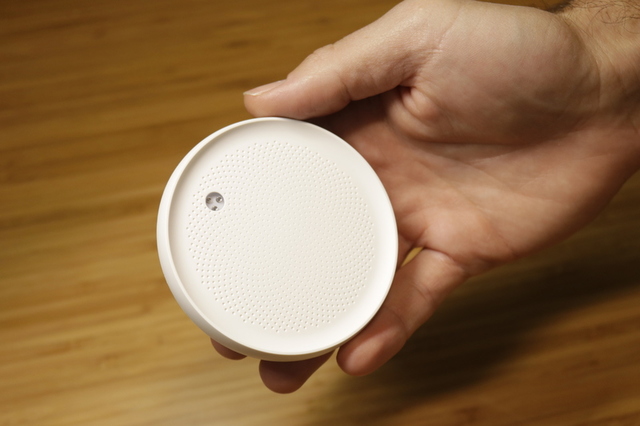
For the price, the Dodow is the easiest device on this list to justify trying.
What we liked
- Cheapest device here by far at around $59
- Dead simple, no app or subscription
- Can help you fall asleep faster with a bit of practice
What we didn't
- Doesn't work for everyone, and takes practice
- The light bothers some people and their partners
How to choose
Match the device to your actual problem. If you want a single all-purpose wind-down tool, start with Moonbird. If your nights are ruined by stress and a mind that won’t quiet down, Pulsetto is built for exactly that.
If you want to spend as little as possible to see whether any of this works for you, Dodow is the sensible first step. All three offer a return window, so the real risk is small.
Gadgets are only half the picture, though. The free basics do a lot of the work, so our guide on how to fall asleep faster tonight walks through the no-cost moves worth trying first. And if the thing wrecking your night is a fitted sheet that keeps popping loose, our best bed sheets roundup ranks deep-pocket sets that actually stay put.
If the noise keeping the room awake is snoring rather than a racing mind, that’s a different tool. Our Sleep Connection review covers a wristband that catches a snore and nudges a back-sleeper to shift position.