
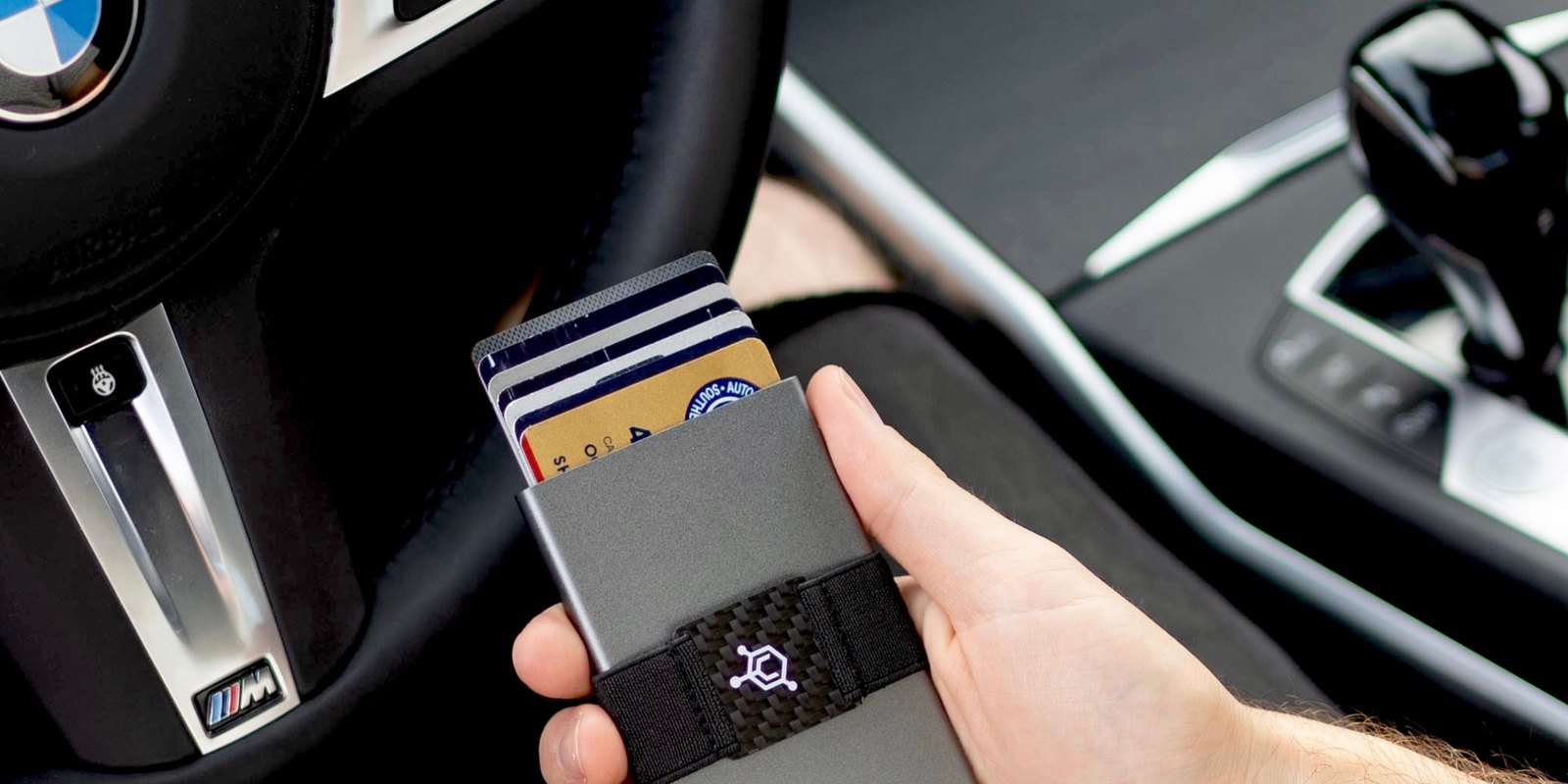
Yes, Ridge wallets actually block RFID: the aluminum or titanium body wraps the cards held between its plates in a metal shield that stops contactless scanners from reading them. That shielding is real, and it’s the same simple physics behind every metal slim wallet.
The honest part the ads skip is the context. The threat a blocking wallet guards against, a thief skimming your card from a distance, is far rarer than the marketing suggests.
So the right way to read the question is simple. Yes it blocks, and the real decision is whether you need the feature and what you want to pay for it.
For this guide we checked how passive RFID shielding works, read Ridge’s own material specs, and weighed what security groups like AARP and CSO Online say about the actual risk. If you want the short version of the shopping decision, our Code 118 wallet vs Ridge wallet comparison runs the two side by side.
See today's Code 118 wallet priceHow RFID blocking in a wallet works
The mechanism is boring in the best way. Contactless cards answer a scanner on the 13.56 MHz band, and a continuous layer of metal around them interrupts that signal before it reaches the chip.
A metal wallet is essentially a small shield. Put a card inside a solid aluminum or titanium chamber and a reader a few inches away gets nothing back. There’s no battery, no chip, and nothing to charge, because the blocking is physical, not electronic.
That’s why slim metal wallets and RFID sleeves both work on the same principle. The material does the job on its own.
Do Ridge wallets actually block RFID?
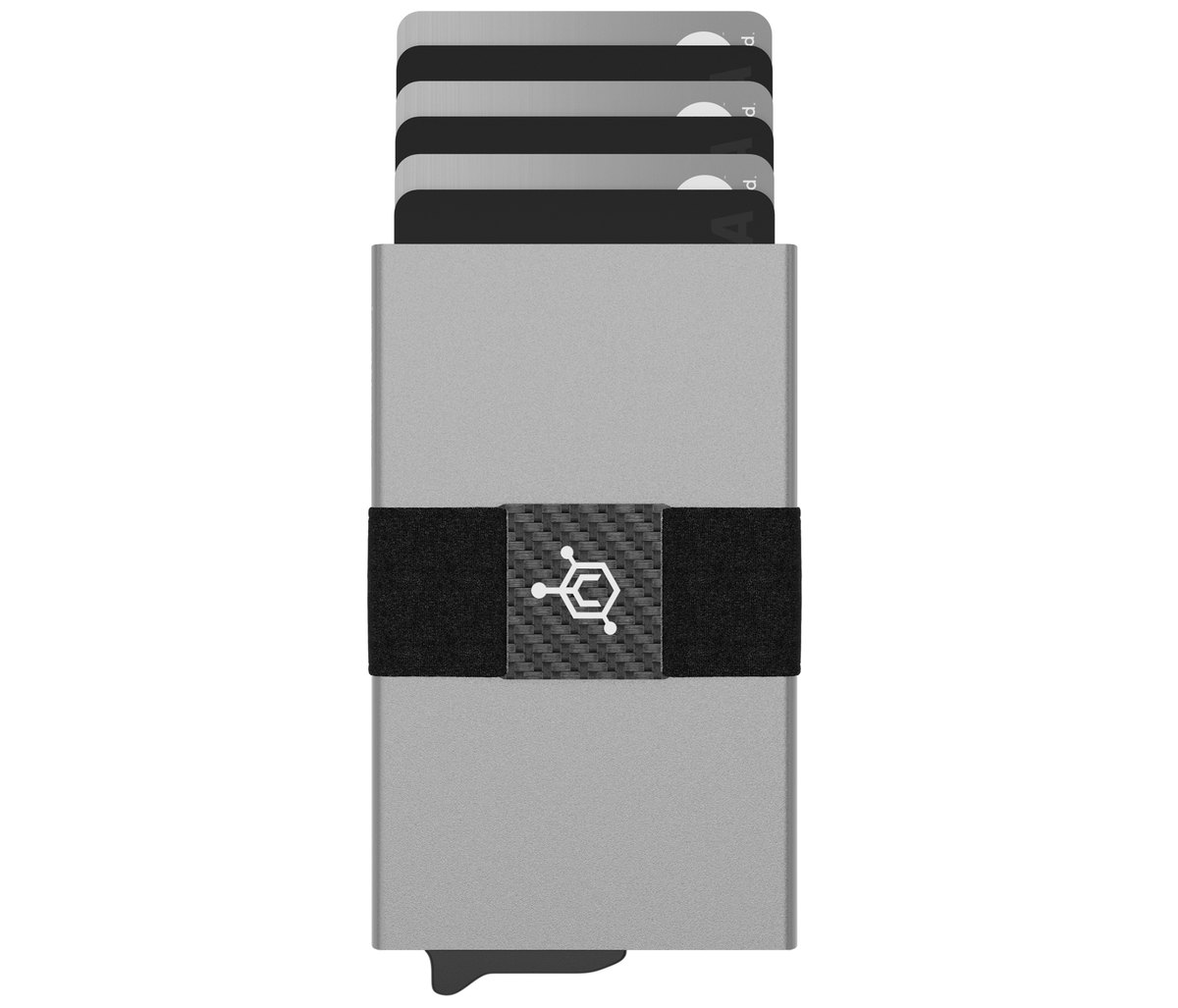
They do. Ridge builds its wallets from aluminum, titanium, or carbon fiber, and the metal versions hold your cards sandwiched between two plates that act as the shield. On the narrow question of blocking a 13.56 MHz read, the answer is a clear yes, and Ridge designs the RFID models specifically for it.
One fair caveat keeps it honest. Only the cards between the plates are fully shielded. If you slide a card under the outer elastic band or cash strap, that card sits outside the metal and isn’t protected, so keep anything contactless in the main chamber.
Ridge’s reputation here is earned. It’s a well-made, patented wallet with a lifetime warranty, and if you want the original and don’t mind the price, it’s a genuinely good buy.
Can you carry cash in a Ridge wallet?
Yes, but pack light. Ridge wallets come with an elastic cash strap or a money clip that presses a few folded bills against the outside of the plates.
It’s designed for two or three notes and maybe a receipt, not a thick wad. That suits the way most slim-wallet owners actually carry: mostly cards, a little cash for backup. If you routinely carry a fat fold, a minimalist wallet of any brand will fight you.
Is RFID theft actually a real threat?
Here’s the context that makes the whole category easier to think about. Real-world RFID card theft is rare and largely theoretical.
The Identity Theft Resource Center told AARP it doesn’t believe the topic “addresses a real risk,” and CSO Online reported it couldn’t find public evidence of a single real-world contactless RFID crime.
Modern chip cards also transmit an encrypted one-time code per tap rather than your name or card number, so even a stray read can’t be replayed into a purchase.
That doesn’t make a metal wallet pointless. It reframes it. You’re buying a tidy everyday carry that happens to shield your cards, not emergency protection against a crime wave that was never really happening.
The slim wallet that blocks RFID for less
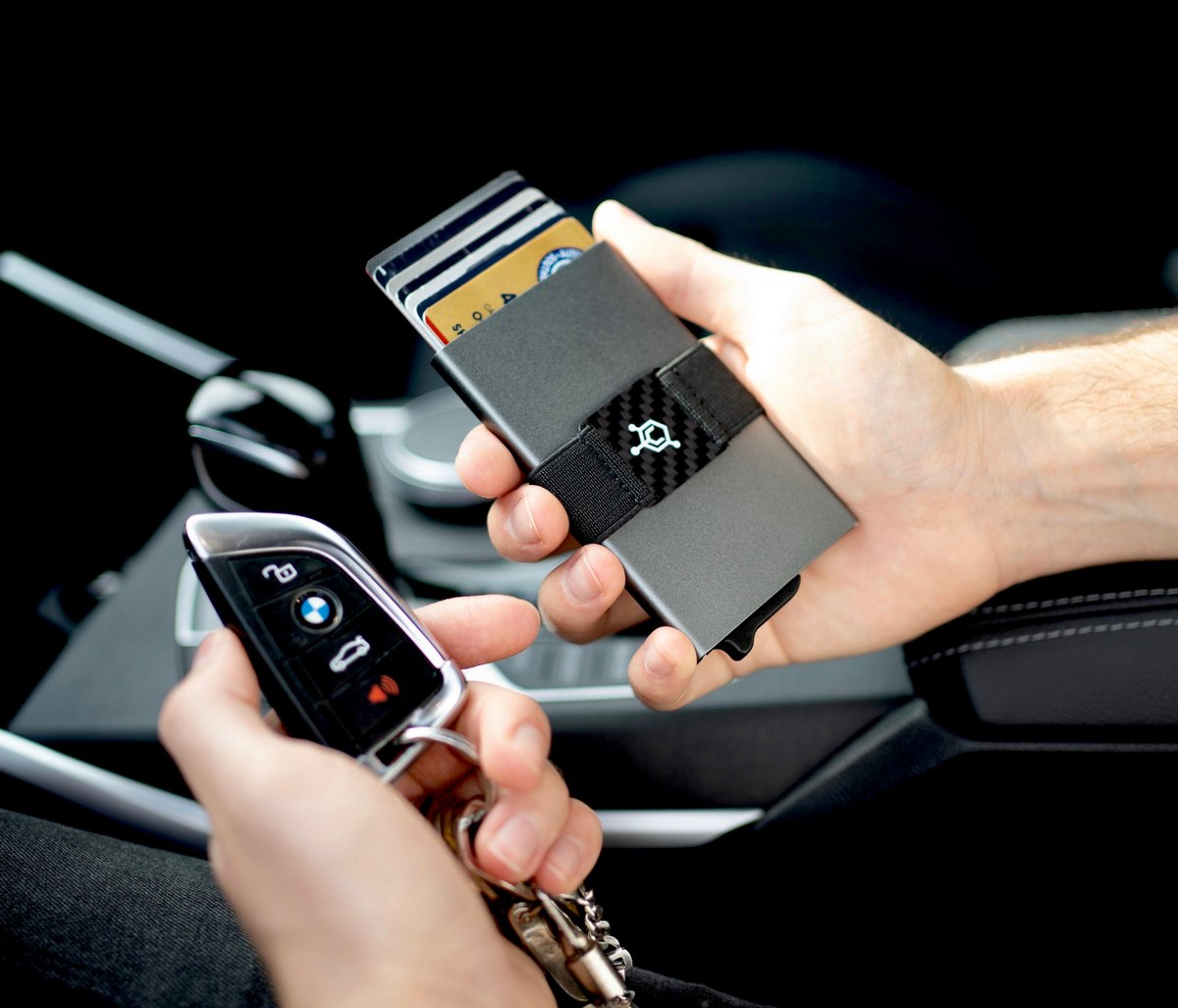
If the RFID shielding is what you want, you don’t have to pay the premium to get it. The Code 118 wallet wraps your cards in the same kind of aerospace-grade 6061-T6 aluminum chamber that blocks the 13.56 MHz scanners.
It also adds a trick the Ridge doesn’t have: a thumb lever that pops your cards up in a fanned stack, so you grab the one you want in one motion.
The number that tends to settle it is price. The Code 118 runs about $49.99 with a 30-day return, roughly half what a Ridge aluminum wallet starts at. It holds about six cards in the metal chamber, climbs toward 15 with the modular backplate, and carries a 4.9-star average across more than 12,000 buyer reviews on the brand’s store.
The Ridge is the heirloom-grade original with a lifetime warranty and titanium and carbon-fiber options, and that’s a fair reason to pick it. But for the same slim aluminum RFID carry at half the money, the Code 118 is the value answer.
Our full Code 118 wallet vs Ridge wallet breakdown scores them round by round, and the Code 118 wallet review covers it on its own.
What we liked
- Same aluminum RFID-blocking chamber as a Ridge, at about half the price
- One-push pop-up fans your cards out, no digging through a band
- About $49.99 with a 30-day return and a 4.9-star brand record
- No battery and nothing to charge, since the shielding is physical
What we didn't
- Only available online
If you’d rather keep the wallet you already own, a blocking card is the add-on route, and the slim metal picks are ranked in our best RFID-blocking wallets roundup. Still unsure the Code 118 is the real deal? Our is the Code 118 wallet legit guide checks the brand.
Check today's Code 118 wallet priceFrequently asked questions
The short answers are above; here’s the quick reference on the questions people ask most about Ridge wallets, RFID, and the slimmer alternative. For more everyday-carry picks, the home hub has the rest of our gear guides.