
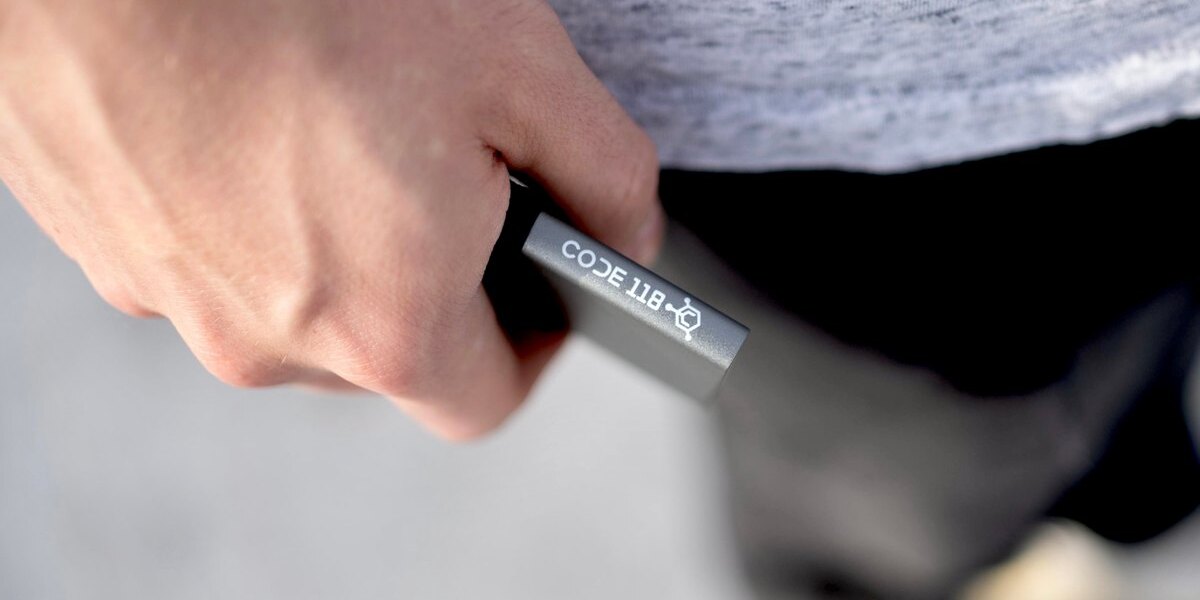
Is the Code 118 wallet legit? Yes: it’s a real forged-aluminum pop-up wallet from a real California company that’s been selling since 2021, with thousands of reviews and a money-back guarantee. It isn’t a scam in the stolen-money sense. The “scam” searches come from somewhere else.
They come from heavy TikTok-style ads, a discount price that never seems to end, and a weak rating at the Better Business Bureau. None of those makes the wallet a fraud, but they’re worth understanding before you buy, so here’s the honest picture of who’s behind it and what the record actually says.
We didn’t carry the wallet ourselves. We read the official store and its terms, the Trustpilot and BBB files, the Amazon storefront, and the pattern of buyer complaints. This is what we found.
Is the Code 118 wallet legit? Start with who makes it
Code 118 is sold by a company listed at 904 Silver Spur Rd, Rolling Hills Estates, California, in business since August 2021, so it’s a roughly four-year-old seller, not an overnight pop-up. It sells direct at code-wallets.com (the older code118wallet.com address redirects there) and through an official CODE 118 Wallets storefront on Amazon.
That matters because a lot of “scam” products have no company and no second sales channel at all. This one has a physical address, a few years of trading, a published support email, an Amazon storefront, and thousands of reviews across platforms you can read yourself.
The one gap is that the specific legal owner isn’t named on the site. That’s common for direct-to-consumer brands, and it’s not disqualifying, but it’s part of why careful shoppers hesitate.
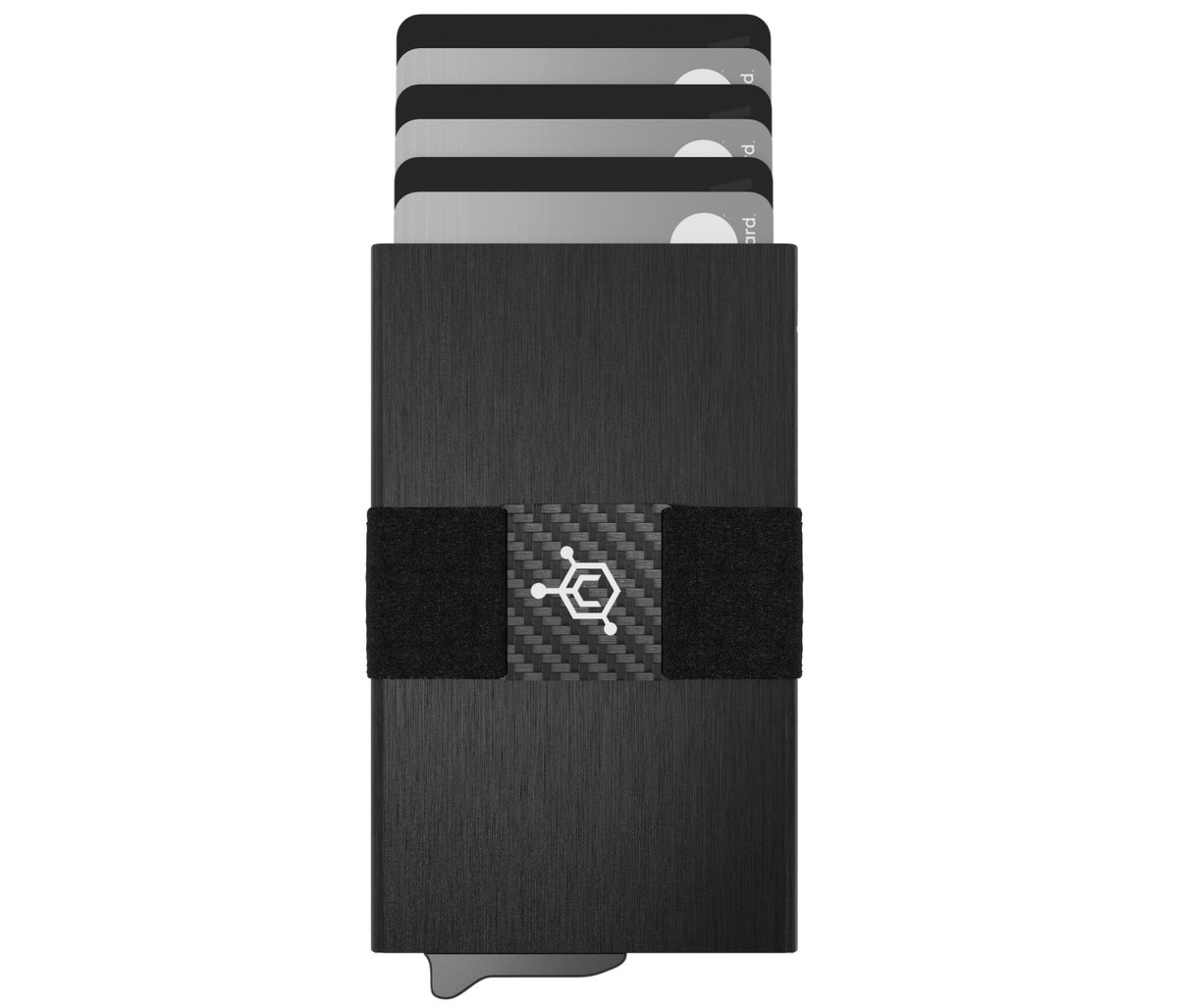
What the reviews actually say
Here’s where the “is it legit” answer gets more nuanced than a yes or no. The ratings depend heavily on where you look.
On its own site, Code 118 lists a 4.9-star average across more than 12,000 reviews. That’s the brand’s own on-site figure, moderated by the seller, so read it as the maker’s number rather than an independent audit.
Independently, Trustpilot shows about 4.0 out of 5 across roughly 2,900 reviews, which is a solid-but-mixed score: a large majority are happy, with a real minority of one-star complaints. The Amazon storefront carries thousands of ratings as well.
Then there’s the BBB, and this is the honest low point. Code 118 holds an F rating and isn’t BBB-accredited, with about 74 complaints over three years. Crucially, those complaints are about service and advertising, not stolen money: slow shipping, slow support, and a formal BBB request that the company substantiate its “as seen on” press claims. So the F is a customer-service and marketing-credibility mark, not evidence the product is fake.
What buyers actually complain about
Read enough of the one-star reviews and the pattern is consistent, and it’s useful. The complaints are about service and finish, not a wallet that never arrives.
The recurring ones: shipping slower than advertised, sometimes by weeks; the pop-up trigger or the MagSafe magnets weakening over time; brushed finishes scratching or chipping within the first month; and support being slow to reply. A few note the lifetime warranty asks you to pay return shipping, around $10, for a claim.
Those are the gripes of a real product with uneven service, not a phantom one. They’re also the reason to buy direct, start any claim promptly, and keep your order confirmation.
Read the ads with a clear eye
Two things in the marketing deserve a pinch of salt, and knowing them is half the battle.
The headline sale is effectively permanent. The struck-through list price is a reference number more than a price the wallet regularly sells at, so treat the discount as the normal price, not a deadline. Our Code 118 wallet on Amazon vs the official store guide breaks down what you actually pay and where.
The “as seen on” press logos (the big-network badges) are the kind of paid placement the BBB specifically asked the company to substantiate. Don’t read them as editorial coverage or a stamp of quality. Judge the wallet on the product and the guarantee instead.
Is it just the cheap generic wallet?
Partly, and it’s worth being straight about. The trigger-eject aluminum card wallet is a design many sellers make, and generic versions sell for less on Amazon and AliExpress. If all you want is the mechanism, a generic will do it cheaper.
What Code 118 adds is the finish and color range, the carbon-fiber strap, the accessory ecosystem, and a brand with a guarantee behind it. Whether that premium is worth it is a personal call, and our full Code 118 wallet review weighs it, along with how it stacks up against the Ridge in our Code 118 vs Ridge wallet comparison.
How to buy Code 118 safely
Three rules cover every concern above.
Buy from the official store or the brand’s Amazon storefront. That’s where the guarantee applies and where you avoid the lookalike domains and generic clones. The button below goes to the official page.
Set your shipping expectations. Order with a little lead time rather than for a next-day need, and keep your confirmation email so you have proof of purchase for any warranty or return claim.
Know the guarantee. The direct store backs the wallet with a money-back return window and a lifetime warranty on the wallet itself, with the catch that a warranty claim asks you to cover return shipping. Judge the wallet inside that window.
The bottom line
The Code 118 wallet is legit: a real forged-aluminum pop-up wallet from a real, roughly four-year-old California company, sold direct and through an official Amazon storefront, with a money-back guarantee. It isn’t flawless on service, the BBB F rating and the hype-heavy ads are real cautions, but it isn’t a scam. Buy it direct, expect a slim, well-finished everyday carry rather than a flawless support experience, and it’s an easy wallet to live with.
Check today's Code 118 wallet price at the official store