
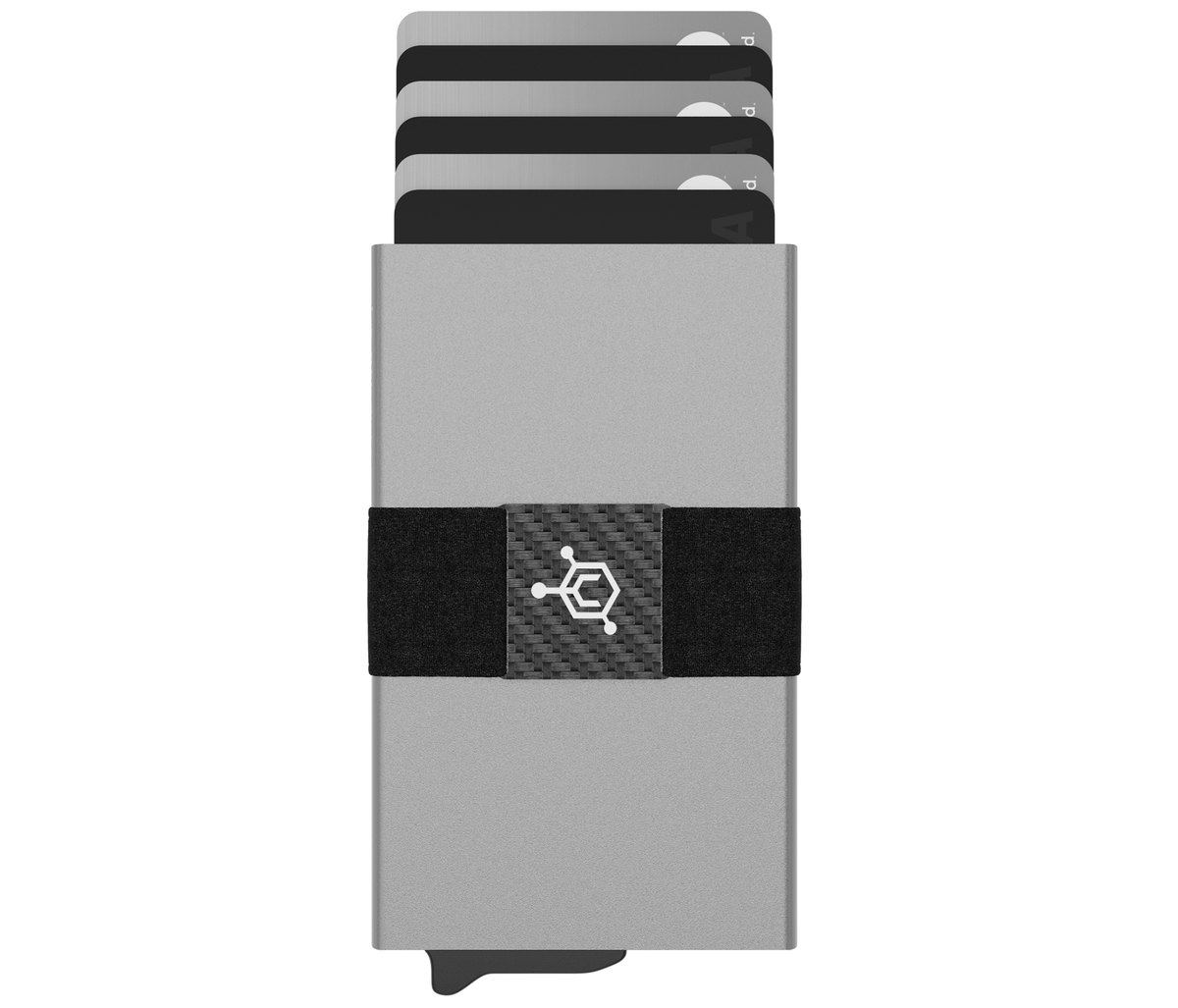
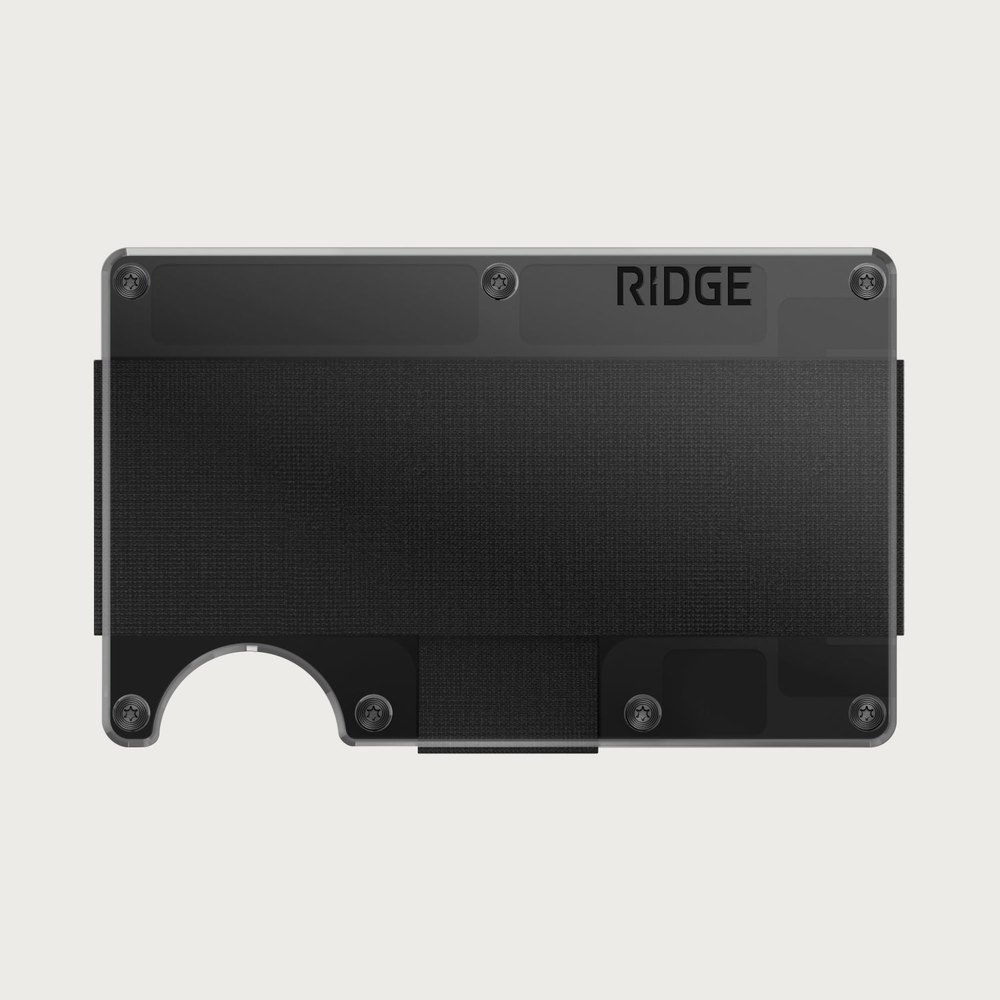
Two slim aluminum wallets, one clear question: do you pay Ridge money for the original, or half that for the Code 118 and its pop-up? If you’ve decided to ditch the folded-brick billfold, this is the head-to-head that actually matters.
Both wallets do the same core job. They shrink your carry to the cards you use, wrap them in a metal chamber that blocks card skimmers, and slip into a front pocket. Neither has a battery, and neither asks you to charge anything.
Where they split is access and price. The Code 118 fans your cards out with a thumb-push pop-up and costs about $49.99. The Ridge holds them in an elastic band you thumb up yourself, costs from about $95, and answers with a lifetime warranty. We read both makers’ specs, prices, and return terms, plus a wide spread of buyer feedback, to call it.
Code 118 vs Ridge Wallet at a glance
| Feature | Code 118 Wallet | Ridge Wallet |
|---|---|---|
| Price | About $49.99 | From about $95 |
| Card access | One-push mechanical pop-up | Thumb cards up the elastic band |
| Body material | 6061-T6 aluminum + carbon-fiber strap | Aluminum, titanium, or carbon fiber |
| Card capacity | About 6, up to ~15 with backplate | Up to about 12 in the band |
| RFID shielding | Aluminum chamber blocks scanners | Metal plates block scanners |
| Warranty | 30-day return | Lifetime warranty, 45-day trial |
| Best for | Value and fast one-push access | Heirloom build and material choice |
| Our score | 9.2 / 10 | 8.6 / 10 |
The two wallets, side by side
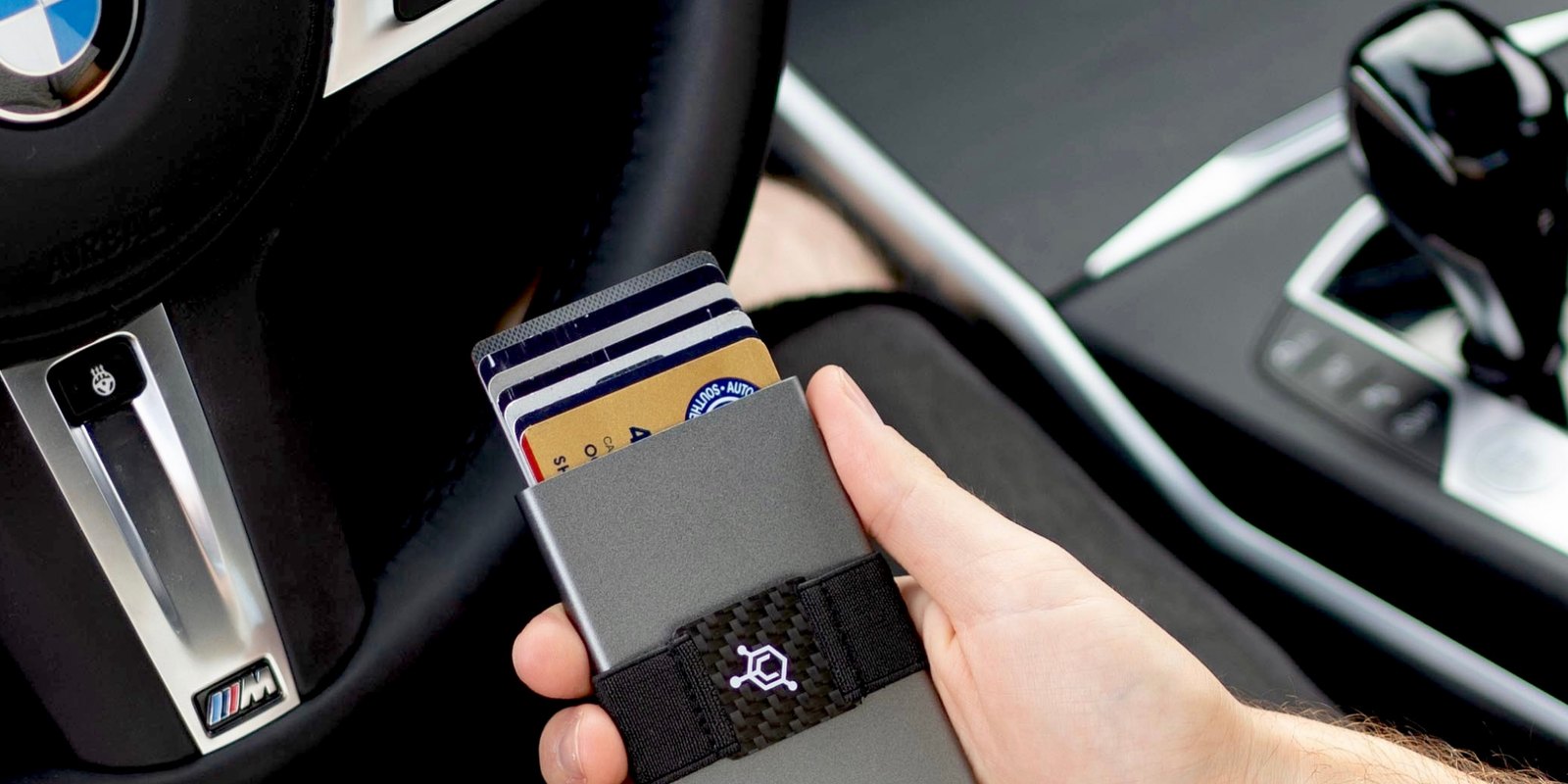
The Code 118 leads with its party trick. Push the side lever and your cards step out in a fanned stack, so the one you want is already proud of the pile. It’s a quarter-inch thick, about four ounces, and built from aerospace-grade 6061-T6 aluminum with a carbon-fiber accent strap.
The Ridge takes the purist route. Two machined metal plates clamp your cards between an elastic band, and you fan them out by pushing with a thumb. There’s no mechanism to it, which is part of the appeal: fewer moving parts, and a build the brand backs for life. It comes in aluminum, titanium, and carbon fiber, so you can pay up for the material you want.

Round by round
Price
Round winner: Code 118 WalletThis is the loudest difference. The Code 118 runs about $49.99, while a Ridge starts around $95 for the aluminum and climbs past $120 for titanium and carbon fiber.
You’re getting the same fundamental thing in both, a slim aluminum wallet with an RFID-blocking chamber, so the Code 118 undercutting the Ridge by roughly half is the single biggest reason it wins the matchup for most buyers.
Card access
Round winner: Code 118 WalletThe Ridge’s band works, but you thumb the cards up yourself, and the bottom card in a full band can be fiddly to reach. The Code 118 does that work for you: one push fans every card into a stepped stack, so grabbing the third card down is as easy as the first.
It’s a small thing that you feel every single day at a checkout. For sheer speed of getting a card in hand, the pop-up takes it.
Build and warranty
Round winner: Ridge WalletCredit where it’s due. The Ridge is superbly machined, offers titanium and carbon-fiber options, and carries a lifetime warranty that says the brand expects it to outlive your car. That’s genuine heirloom-grade confidence.
The Code 118’s aluminum body is tough and well-finished, but its cover is a 30-day return rather than a lifetime promise. If buy-it-for-life build is your top priority, this round goes to the Ridge, and it’s a fair reason to pay more.
Everyday carry
Round winner: Code 118 WalletBoth disappear in a front pocket, both block skimmers, and neither needs charging. On the daily details, the Code 118 edges ahead: the pop-up is faster than thumbing cards up a band, and it carries a 4.9-star average across more than 12,000 reviews with 97% of buyers recommending it.
The Ridge is the more famous name and the more premium object. But for the plain job of carrying your daily cards slim and secure, the Code 118 does it just as well for less.
Pros and cons of the winner
What we liked
- One-push pop-up fans your cards out instantly, faster than the Ridge's band
- 6061-T6 aluminum RFID chamber shields your cards, same core protection as the Ridge
- About half the Ridge's price, with free shipping and a 30-day return
- Expandable with a modular backplate and cash strap for bigger carries
What we didn't
- Only available online
Who should buy which
Buy the Code 118 if you want a slim aluminum RFID wallet with the fastest card access and you’d rather not pay premium-brand money to get it. For most people shrinking their carry, it’s the smart-value pick, and the 30-day return makes trying it low-risk.
Buy the Ridge if buy-it-for-life build and a lifetime warranty matter more than price, or if you specifically want a titanium or carbon-fiber wallet. It’s the heirloom object; the Code 118 is the everyday one.
For the wider field, our best RFID blocking wallets roundup ranks both against Ekster and Bellroy, our full Code 118 wallet review goes deeper on the pop-up, and the best RFID blocking cards of 2026 covers the single-card route. There’s more everyday carry in the best key organizers for EDC guide.
Verdict
The Code 118 wallet takes it. The Ridge is the better-built, longer-warranted object, and if that’s what you’re buying, it’s worth the premium. But the two wallets do the same everyday job, and the Code 118 does it with a faster one-push pop-up for roughly half the money.
Pick the Ridge for the heirloom build; pick the Code 118 to slim your pocket, shield your cards, and keep the difference.
Check today's Code 118 wallet price