
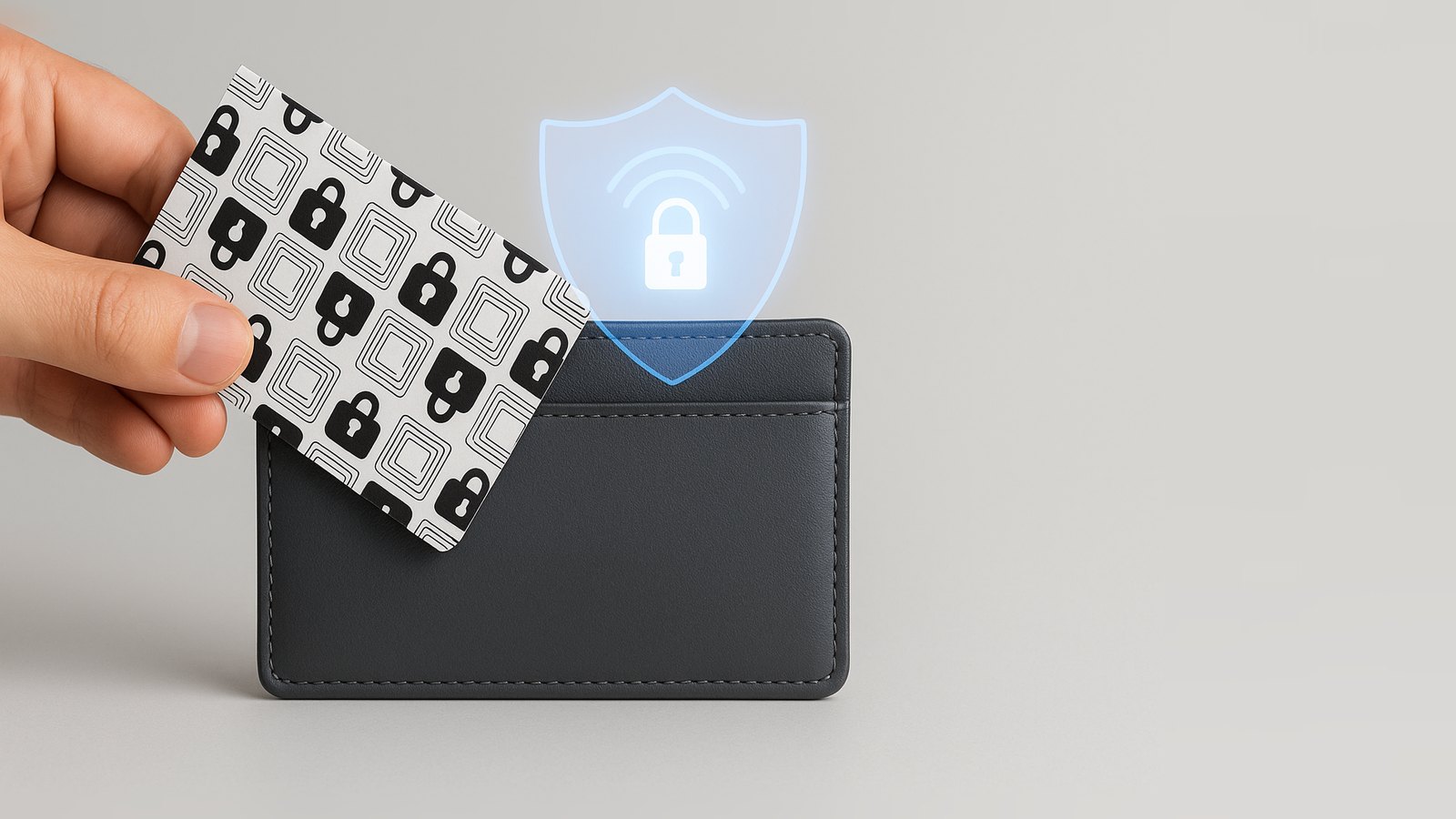
Yes, Wallet Defender really works as a blocker, and the honest context actually makes it easier to recommend, not harder. The passive card does interfere with contactless reads of the cards around it, so the shielding it promises is real.
The caveat is worth knowing up front. The threat it guards against, a thief skimming your card from a distance, is rarer than the ads imply. So the right way to read “does it work” is: the card does its physical job, and it’s best bought as cheap peace of mind.
We checked how passive RFID blocking works, read the maker’s listings, and weighed what security groups like AARP and CSO Online actually say about the risk. Here’s the proof, and the full picture is in our Wallet Defender review.
Check today's Wallet Defender priceHow Wallet Defender works, in plain terms
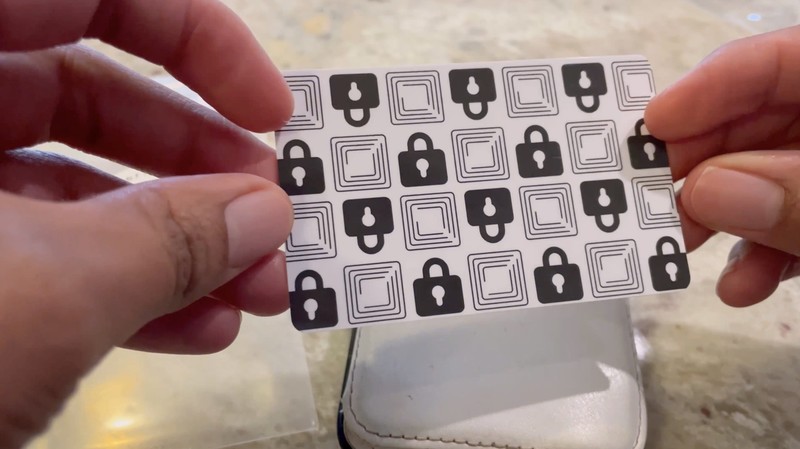
The Wallet Defender is a passive RFID and NFC blocking card, about the size of a credit card and thin enough for a normal slot. You drop it in, and it works with no battery, no app, and no charging.
Here’s the mechanism. The card generates a field that interferes with contactless reads of the cards near it, on the 13.56MHz band that tap-to-pay cards use. One card is meant to cover a whole wallet, so you’re not shielding cards one at a time.
Because the effect is physical, there’s nothing to switch on and nothing to maintain. That set-and-forget simplicity is most of why people like it.
Does the blocking actually hold up?
The blocking itself isn’t the shaky part. Passive shielding that disrupts a 13.56MHz read is well-understood physics, the same principle behind every RFID sleeve and metal wallet. On that narrow question, yes, it works.
What the sales pages leave out is the context, and it’s the single most useful thing to know before you buy. Real-world RFID card theft is rare and largely theoretical.
The Identity Theft Resource Center told AARP it doesn’t believe the topic “addresses a real risk,” and CSO Online reported it couldn’t find public evidence of a single real-world RFID contactless crime. Modern chip cards also transmit an encrypted one-time code per tap, not your name or security number, so a stray read can’t be replayed into purchases.
That doesn’t make the card pointless. It reframes it. You’re buying reassurance, cheaply, for a risk that’s low to begin with.
So is it worth buying?
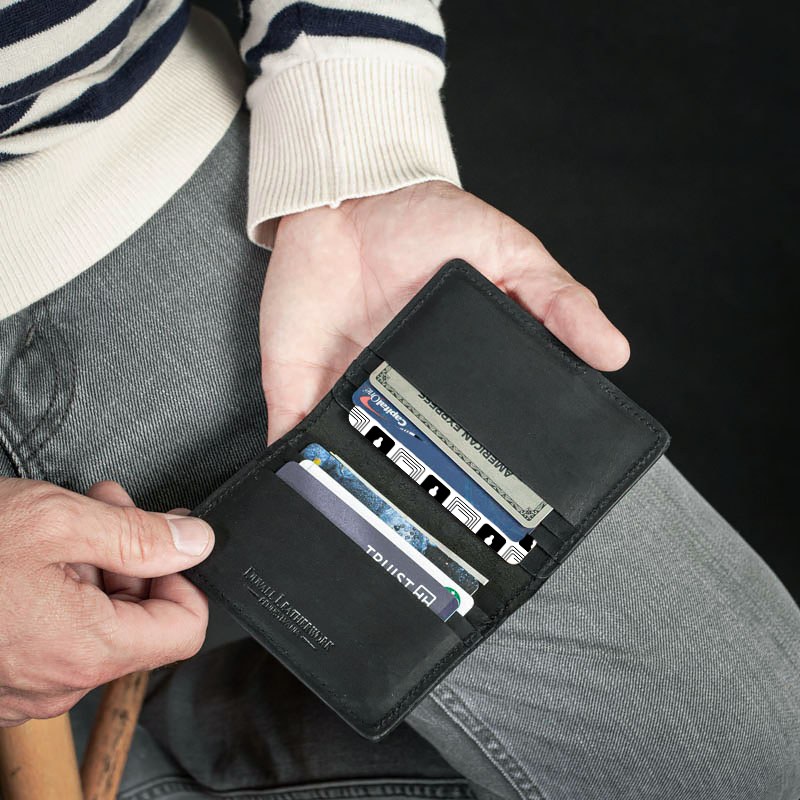
For most people who just want the nagging worry gone, yes. Wallet Defender starts around $45 for a three-card pack, with cheaper per-card pricing in the bigger multipacks, and every order ships with a 30-day money-back guarantee.
There’s no subscription and nothing to replace, since the card is passive and never needs charging. The casing is waterproof and crush-proof, built to survive years in a real wallet.
Honestly, the thing I’d tell a friend is to right-size the expectation. This isn’t stopping a crime wave, because that wave was never really happening. As a cheap way to end the thought in a crowded airport or a packed train, it does the job well. If you’d rather grab it elsewhere, our Wallet Defender on Amazon guide explains why the genuine card isn’t listed there.
Pros and cons
What we liked
- The passive shielding genuinely interferes with 13.56MHz contactless reads
- One card covers every card in the wallet you already carry, with no battery or app
- Waterproof and crush-proof casing built to last years
- Starts around $45 with a 30-day money-back guarantee
What we didn't
- Only available online
The bottom line
Does Wallet Defender really work? Yes. The passive card blocks contactless reads exactly as it claims, and it needs zero upkeep to do it.
Just buy it for what it honestly is: low-cost peace of mind against a low-probability risk, in the wallet you already own. Judged that way, with a 30-day guarantee behind it, it’s a genuinely easy little upgrade. For the full scoring and the complaint picture, see our Wallet Defender review, our is Wallet Defender legit guide, and how it stacks up in Wallet Defender vs CardShield.
See today's Wallet Defender price