Half of what you’ve seen about “resetting” your vagus nerve is ordinary relaxation dressed up as neuroscience, and the other half genuinely works. The trick is telling them apart.
The vagus nerve is the main wire of your parasympathetic, or rest-and-digest, system. It runs from your brainstem down to your gut and helps set your heart rate, breathing, and how quickly you calm down after stress. Higher vagal activity, measured through heart rate variability, tends to track with handling stress better.
This guide covers how to stimulate the vagus nerve naturally, ranked by how strong the science actually is instead of listing every method as equally proven. Most pages don’t do that. A few of these are backed by real studies, a few are plausible, and a couple are basically folklore.
Slow your exhale, because it’s the strongest method
If you do one thing, do this. Slowing your breathing to roughly six breaths a minute, with the exhale longer than the inhale, is the best-supported way to raise vagal activity, and you can start right now.
The mechanism is clean. Your heart slows a little on every out-breath as the vagus applies its brake, so a long, drawn-out exhale biases your whole system toward calm. Controlled studies show slow-paced breathing at that rate acutely raises heart rate variability, the standard marker of vagal activity, and the extended exhale is the part doing the work.
The pattern is simple: in for about four seconds, out for six to eight. Don’t gulp a huge breath. Keep it easy and let each exhale drain slowly for a few minutes. The honest limit is that the effect is mostly acute, a calmer state in the moment, not a permanent rewiring.
Move your body most days
Exercise is the other method with solid evidence behind it, and it’s the one people skip because it isn’t a party trick. Regular aerobic training raises your resting vagal tone over weeks, which is why fitter people tend to have lower resting heart rates and higher heart rate variability.
The catch is right there in the word regular. A single workout won’t reset anything, but a few weeks of consistent activity measurably shifts the balance toward parasympathetic dominance and speeds up how fast your heart rate recovers after effort. Walking counts. So does anything you’ll actually repeat.
Use cold water on your face
Cold is a genuine, fast vagal trigger. Splashing cold water on your face, or holding a cold pack to your cheeks and eyes, sets off the diving reflex: cold receptors on your face tell your brainstem to slow the heart, the same response that lets mammals conserve oxygen underwater. A study found cold-water face immersion raised heart rate variability and slowed the heart even without holding your breath.
Two honest cautions. This shows an acute reflex, not proof that daily cold showers deliver lasting mood benefits. And because strong cold can slow your heart a lot, it’s the one method with a real safety flag: if you have a heart condition or faint easily, skip the cold plunge and check with a provider first.
Hum, sing, chant, or gargle
Here’s the one that sounds like a gimmick but has a plausible basis. The vagus feeds the muscles of your larynx and throat, so making sustained voiced sound both vibrates that area and forces a long exhale. A small 2002 study found humming raised heart rate variability compared with normal breathing, and studies of chanting and bee-breath style pranayama report similar shifts.
Honestly, a good chunk of the benefit is probably the slow exhale doing the work again, not something magic about throat vibration. That’s fine. Humming a tune, gargling water hard for thirty seconds, or singing in the car is free, and it stacks a second calming input on top of the breathing.
Meditate or do gentle yoga
Meditation and yoga combine slow breathing with a shift in attention, and the research is encouraging if softer. A loving-kindness meditation program was linked to rising vagal tone through what the researchers called an upward spiral of positive emotion and connection.
I’d file this as real but modest. The studies lean heavily on self-report and small groups, and the tidy upward-spiral story is a hypothesis, not settled fact. Treat meditation as a reliable way to lower day-to-day arousal, not a guaranteed lever on a single nerve.
The gentler methods with thinner evidence
A cluster of popular tricks are plausible but sit closer to folklore, so keep your expectations honest. Foot and neck massage has a few small studies suggesting it nudges heart rate variability. Belly laughter, slow rhythmic rocking, and calm music get cited constantly but rest on weak evidence.
None of these will hurt you, and they feel good, which has its own value. Just don’t expect them to do what the breathing does. If a page ranks them alongside slow breathing as equally proven, that page isn’t grading the evidence.
When a device makes sense
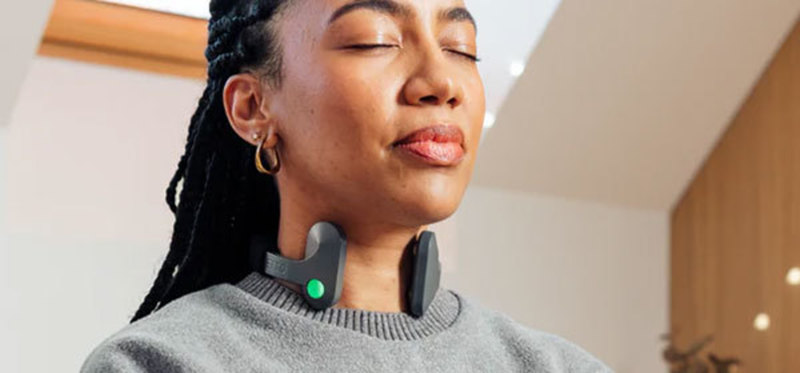
You don’t need hardware to breathe slowly or splash cold water. So why do people buy a vagus nerve stimulator? Consistency. A neck-worn device like the Pulsetto runs a guided four to ten minute session that you’ll actually repeat, instead of meaning to do breathing and forgetting by Tuesday.
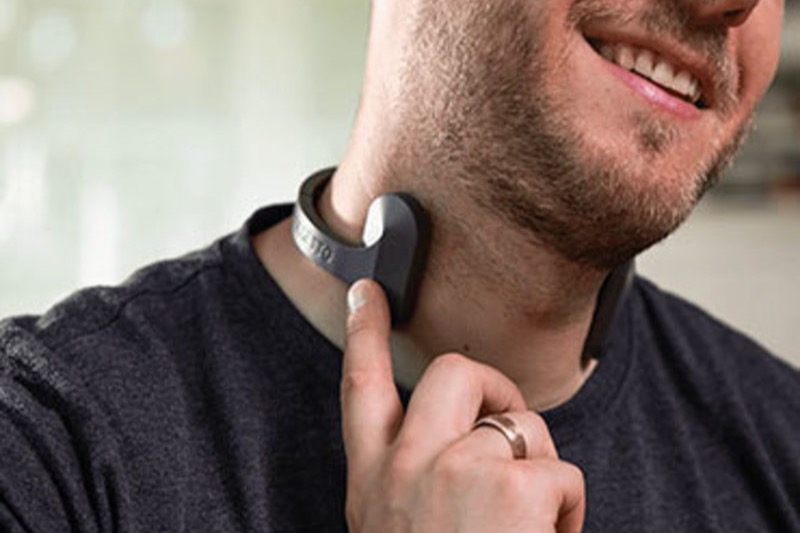
Be clear-eyed about what it is. Pulsetto is a wellness device, not a medical treatment, and it’s built to support calm and sleep, not to cure anything. A small 2025 sham-controlled study found its style of stimulation acutely raised alpha-wave activity and lowered blood pressure versus a fake device, and its buyer reviews average around 4.2 out of 5 across more than 3,000 ratings. Some of the brand’s bigger stress and sleep numbers come from small in-house pilots, so read those as promising rather than proven.
The honest comparison: a device does roughly what the free methods aim at, and the free methods, especially slow breathing, have the stronger and more independent evidence. What you’re paying for is a hands-off routine you’ll stick to. Our Pulsetto review digs into the gel, the app upsells, and who it actually suits, and our best vagus nerve stimulator roundup lines the options up if you decide a device is worth it.
The honest bottom line, and a safety note
Rank the methods by evidence and it’s not close. Slow, long-exhale breathing and regular exercise do the most. Cold water and voiced sound give a real, fast, short-lived nudge. Meditation helps in a broader way. The massage-and-laughter tier is pleasant but unproven. A device buys consistency, not a shortcut past the basics.
One safety point worth repeating: these are tools for everyday calm, not a substitute for medical care. If you have a heart condition, low blood pressure, a history of fainting, or you’re pregnant, talk to a provider before cold exposure or long stimulation sessions. And persistent throat, swallowing, or heart-rate symptoms deserve a doctor, not a self-diagnosis.
For more on the hardware side, see whether vagus nerve stimulators really work. If calm is really about sleep for you, how to fall asleep faster tonight uses the same long-exhale trick, and the sleep hub has more.