
The science behind vagus nerve stimulation is real, and a lot older than the gadgets on your Instagram feed, but whether a vagus nerve stimulator really works depends on which kind you’re asking about.
Surgically implanted stimulators are established medicine. The consumer devices that took off over the last few years sit on much newer, thinner evidence.
This guide walks the evidence ladder from the operating room to the $269 collar, covers the side effects and the people who shouldn’t use one, and gives you an honest read on what these devices can and can’t do.
The evidence ladder, from surgery to gadgets
Vagus nerve stimulation didn’t start as a wellness trend. The FDA approved implanted vagus nerve stimulators for hard-to-treat epilepsy in 1997, and for treatment-resistant depression in 2005.
A second tier arrived in 2017, when the FDA cleared the gammaCore, a prescription handheld stimulator, for cluster headaches. Migraine clearance followed in 2018. No surgery, but you still need a prescription.
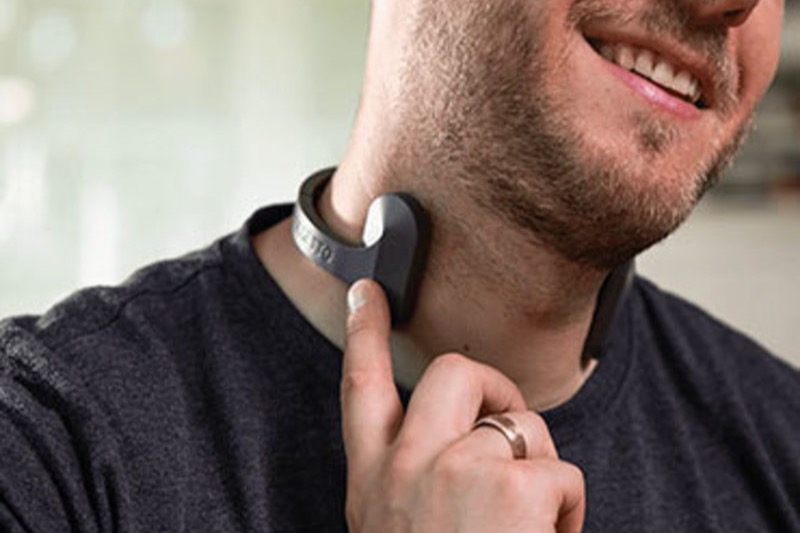
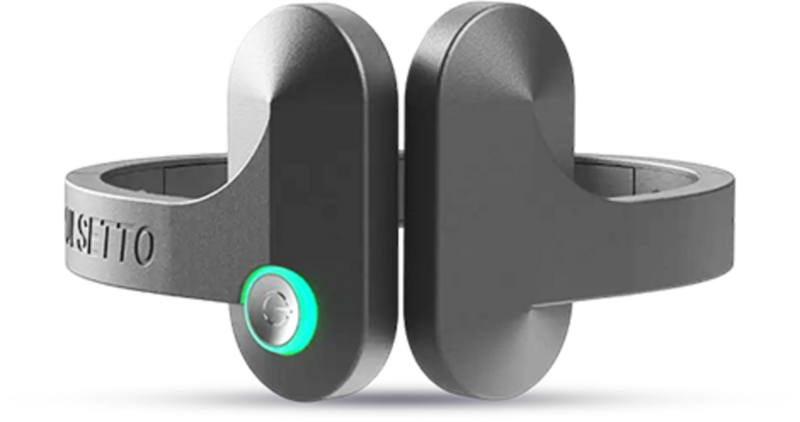
The consumer tier is the newest. Devices like the Pulsetto vagus nerve stimulator, a soft collar worn on the neck, are sold as wellness tools for stress and sleep, not as medical treatments. That distinction isn’t fine print. It tells you exactly how much evidence stands behind each tier.
| Tier | Example | Evidence status |
|---|---|---|
| Implanted | Cyberonics-style VNS | FDA-approved (epilepsy 1997, depression 2005) |
| Prescription handheld | gammaCore | FDA-cleared (cluster headache 2017, migraine 2018) |
| Consumer wellness | Pulsetto, Nurosym, Truvaga | Early studies, sold as wellness devices |
Do vagus nerve stimulators really work for stress and sleep?
For most people, yes, as calming and sleep-support tools, and the best consumer devices now have early controlled evidence behind them. A 2025 sham-controlled study of the Pulsetto found more alpha-wave activity and lower blood pressure after real sessions than after fake ones. That’s a genuine signal, not marketing. But the studies are small and short-term, and a minority of users feel nothing at all.
The sham control matters more than it sounds. Relaxation devices are magnets for the placebo effect, because sitting still for ten minutes is calming all by itself. A sham-controlled design gives the fake device the same ritual, so the measured difference comes from the stimulation.
Owner data points the same direction. Across 3,000+ Trustpilot reviews, the Pulsetto averages 4.2 stars, the largest review base of any consumer device in this category.
The pattern in that feedback is consistent: a calmer, heavier-limbed feeling by the end of a session, with sleep and daily-stress changes building over two to four weeks of regular use. It’s a training effect, not a light switch.
What these devices don’t do is treat anything. If you’re dealing with a diagnosed condition, the wellness tier isn’t a substitute for the prescription tier, and no honest seller claims otherwise.
What are the side effects?
At wellness intensities, the commonly reported effects are skin-level. Owners describe a tingling or prickling sensation at the contact point during sessions, mild irritation where the conductive gel sits, and settings that feel too strong until they dial the intensity down. Serious adverse effects are rare in this tier, which runs far gentler than the implanted devices.
The neck devices also involve a small ongoing cost that doubles as a comfort factor: conductive gel. Sessions without enough gel tend to sting, which owners sometimes mistake for the device being too powerful.
Honestly, the gel is the part most people end up complaining about, not the stimulation. It’s smeary, you have to keep buying it, and skipping it makes the session unpleasant. It’s also non-negotiable for the current crop of neck devices.
Who should avoid vagus nerve stimulation?
Some groups shouldn’t use these devices at all, and the manufacturers say so themselves. Pulsetto’s safety page rules out anyone with an implanted electronic device, such as a pacemaker, defibrillator, or cochlear implant, along with anyone pregnant or trying to conceive, and anyone under 18.
Two more groups need a doctor’s sign-off first: people with a history of seizures, and people with serious heart conditions or rhythm problems. Active neck infections and metal in or near the neck are also on the no-go list.
None of that is unusual for an electrical stimulation product. But it’s worth stating plainly, because the ads never mention it.
What about the 7 minute vagus nerve reset?
The “7 minute vagus nerve reset” you’ve seen on TikTok isn’t one official protocol. It’s a label that creators attach to short calming routines: slow breathing with a long exhale, humming, splashing cold water on your face, or a few minutes of each. Health systems like the Cleveland Clinic publish similar exercise lists, minus the countdown branding.
Those free techniques work through the same pathway the devices target, and they’re the right starting point. If box breathing already gets you where you need to go, you don’t need hardware.
The devices earn their place when you want the effect without the practice. A powered session takes 4 to 10 minutes, asks nothing of your technique, and the early controlled evidence above is specific to the stimulation, not the sitting still.
Where to start if you’re curious
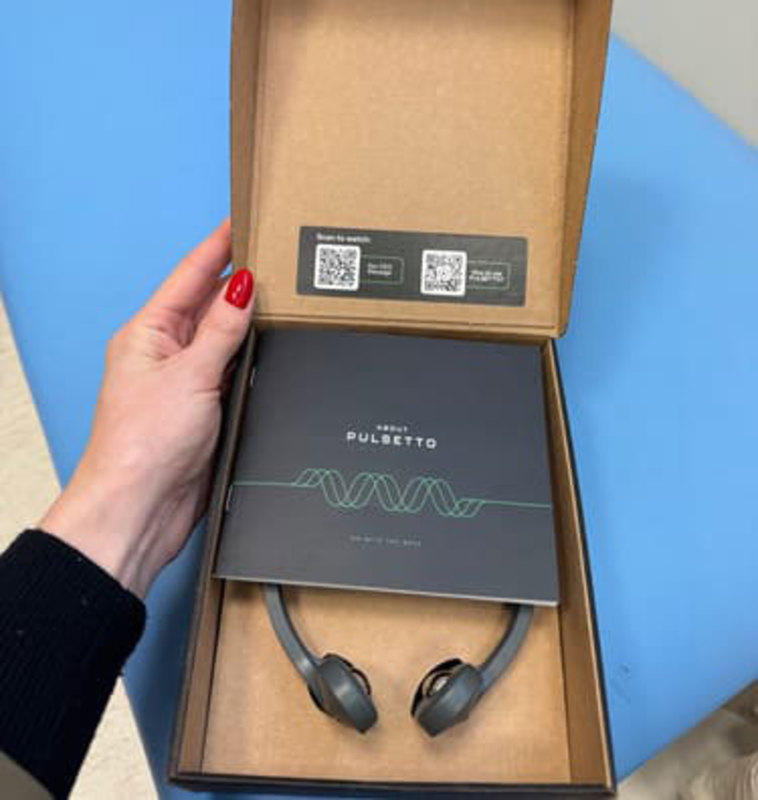
Start by reading deeper on the device with the most evidence and the biggest review base. Our full Pulsetto review breaks down the 2025 study, the owner sentiment across 3,000+ reviews, and the two real annoyances (gel and app upsells) before you spend $269.
If you want to see the whole field ranked, our best vagus nerve stimulator guide compares the Pulsetto against the ear-clip Nurosym (about $700, more clinical citations, 30-minute sessions) and the no-app Truvaga 350. And if you’re still sorting out the different kinds of hardware, our vagus nerve stimulation devices guide breaks down the implanted, prescription and consumer tiers.
And if you’re already down to the two front-runners, the Pulsetto vs Nurosym head-to-head settles the budget-versus-citations question directly. More sleep and stress coverage lives in our sleep hub.
The bottom line: the nerve is real, the pathway is real, and the medical tier proves stimulation does something. The consumer tier is where evidence is still catching up to popularity, and the honest move is picking the device that’s furthest along that curve.