
The worst part of a sleepless night isn’t being tired, it’s lying there wide awake while your brain runs a highlight reel of everything you forgot to do. You’re exhausted, and your body just won’t get the message.
The good news is that falling asleep faster is mostly about lowering your body’s alertness, and a handful of specific moves do that reliably. Slow breathing, a cooler room, and a short wind-down do most of the work.
This guide covers how to fall asleep faster tonight, ranked roughly by how much difference each move makes, plus the honest truth about which popular tricks are overrated.
Slow your exhale, because it’s the fastest switch
The single most powerful thing you can do tonight is lengthen your out-breath. When your exhale is longer than your inhale, it flips your nervous system from alert mode toward rest mode, and that shift is what lets sleep in.
The pattern is simple: breathe in for about four seconds, then out for six to eight. Don’t force a big lungful. Keep it easy and let each exhale drain slowly, and repeat for a few minutes.
Two well-known versions do the same thing. 4-7-8 breathing (in for four, hold for seven, out for eight) and plain paced breathing both work because they stretch that exhale. Pick whichever you’ll actually keep doing.
Cool the room and kill the light
Your body needs to drop its core temperature to fall asleep, so a warm room fights you the whole way. Set the thermostat to the mid-60s Fahrenheit if you can, and the drop signals your body that it’s night.
Light is the other master switch. Even a little screen glow tells your brain it’s still daytime, which delays the melatonin your circadian clock relies on to make you drowsy.
Dim the lamps an hour before bed and get the room as dark as you can. Blackout curtains or a sleep mask beat a room where the streetlight leaks through the blinds.
Run a 10-minute wind-down
You can’t sprint from a glowing phone to deep sleep. Your brain needs a runway, and a short, repeatable routine is what carries you from wired to drowsy.
Put the screens away, keep the lights low, and do something calm and boring: a few pages of a paper book, a warm shower, some light stretching. The point is consistency, so your brain learns the routine means sleep is coming.
Skip the nightcap, too. Alcohol feels sedating but fragments the back half of your night, so you fall asleep faster and sleep worse.
Try the military method
If a racing mind is your problem, give your body a set order to relax in. Release the muscles in your face, then let your shoulders and arms go heavy, breathe out and loosen your chest, then your legs. Work top to bottom.
Then quiet your mind for about ten seconds. Picture a calm, still scene, or just repeat “don’t think” a few times to crowd out the to-do list. It feels awkward at first and gets faster with practice.
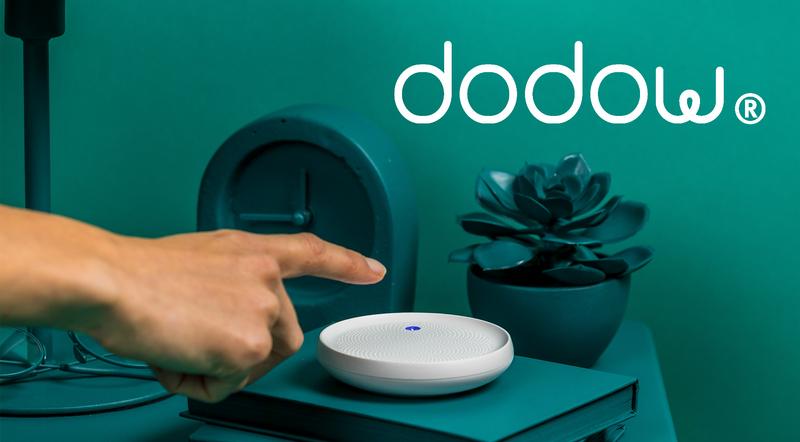
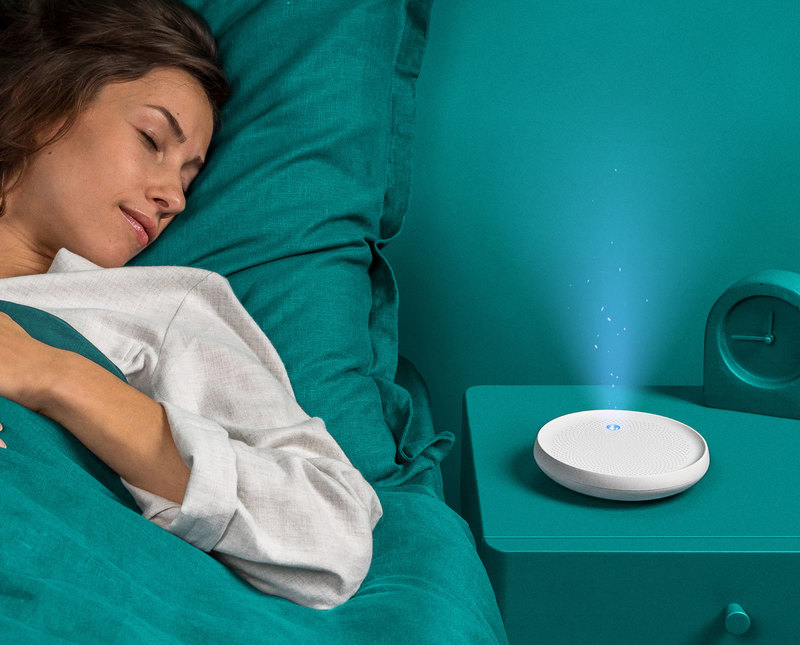
Some people find it easier to follow an external rhythm than to count in their head. A bedside tool like the Dodow projects a slow light onto the ceiling that you breathe with, fading you down over about eight minutes. Our Dodow review covers how the light-pacer approach works and who it suits.
Time caffeine and naps so they don’t sabotage you
Caffeine has a long tail. It can linger for six hours or more, so an afternoon coffee is still in your system at bedtime even if you don’t feel it. Cut it off by early afternoon.
Naps are a trap if you do them wrong. A short 20-minute nap refreshes you, but a two-hour afternoon crash steals the sleep pressure you need to fall asleep at night. Keep naps early and short.
When a device helps you fall asleep faster
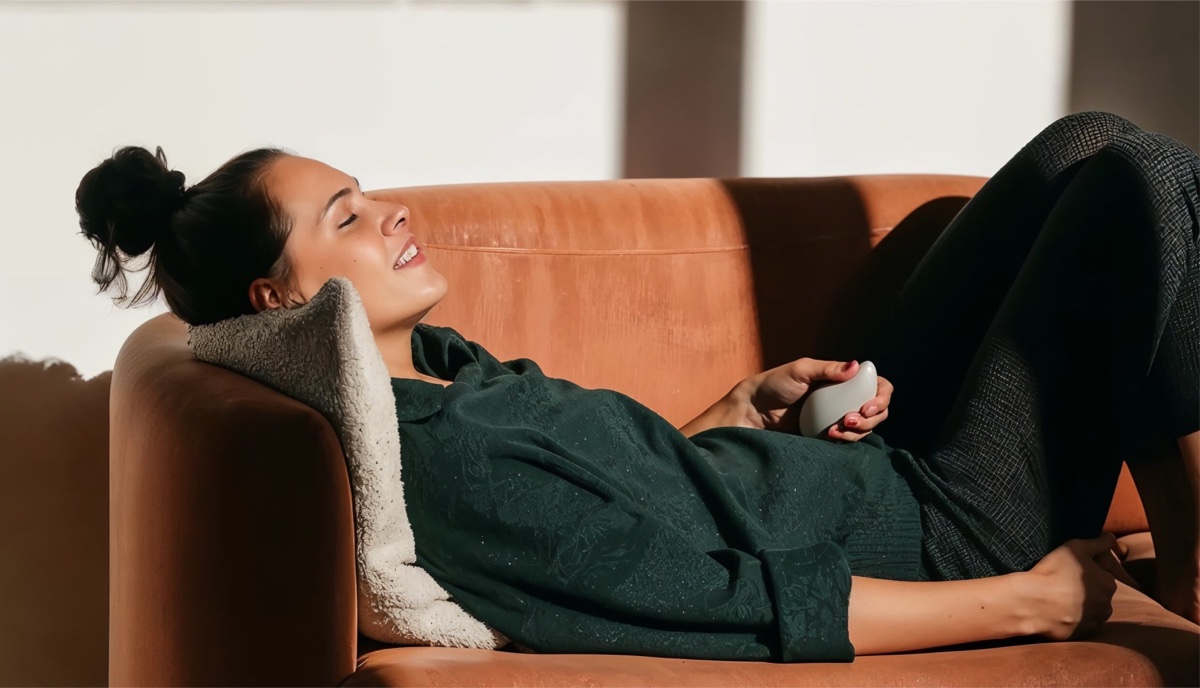
You don’t need hardware to breathe slowly or cool a room. But if a racing mind beats you most nights, a device that guides your breath can make the habit easier to stick to when you’re too tired to concentrate.
A handheld pacer like the Moonbird expands and contracts in your hand so you follow its rhythm without counting, and a light-based tool like the Dodow does the same job on the ceiling. Neither is a cure for insomnia, and neither replaces the basics above. They’re a nudge, not magic.
Our Moonbird review and the Moonbird vs Pulsetto comparison break down how the guided-breathing options differ.
What to skip, and the honest bottom line
A few popular fixes underdeliver. Elaborate supplement stacks beyond a small, well-timed melatonin dose have thin evidence, “sleepy” teas mostly work as a ritual rather than a drug, and scrolling your phone “until you’re tired” actively keeps you awake.
The moves that reliably help are boring and repeatable: a longer exhale, a cool dark room, a real wind-down, and smart caffeine timing. Do those tonight and you’ll fall asleep faster than you did last night.
If you wake with a stiff neck rather than a racing mind, the fix is your pillow, not your breathing; our Derila Ergo pillow review covers whether the butterfly shape earns its keep. For more gear that helps you wind down, see our best sleep gadgets of 2026 roundup and the sleep hub, or the jet lag recovery tips guide if travel is what’s wrecking your nights.