
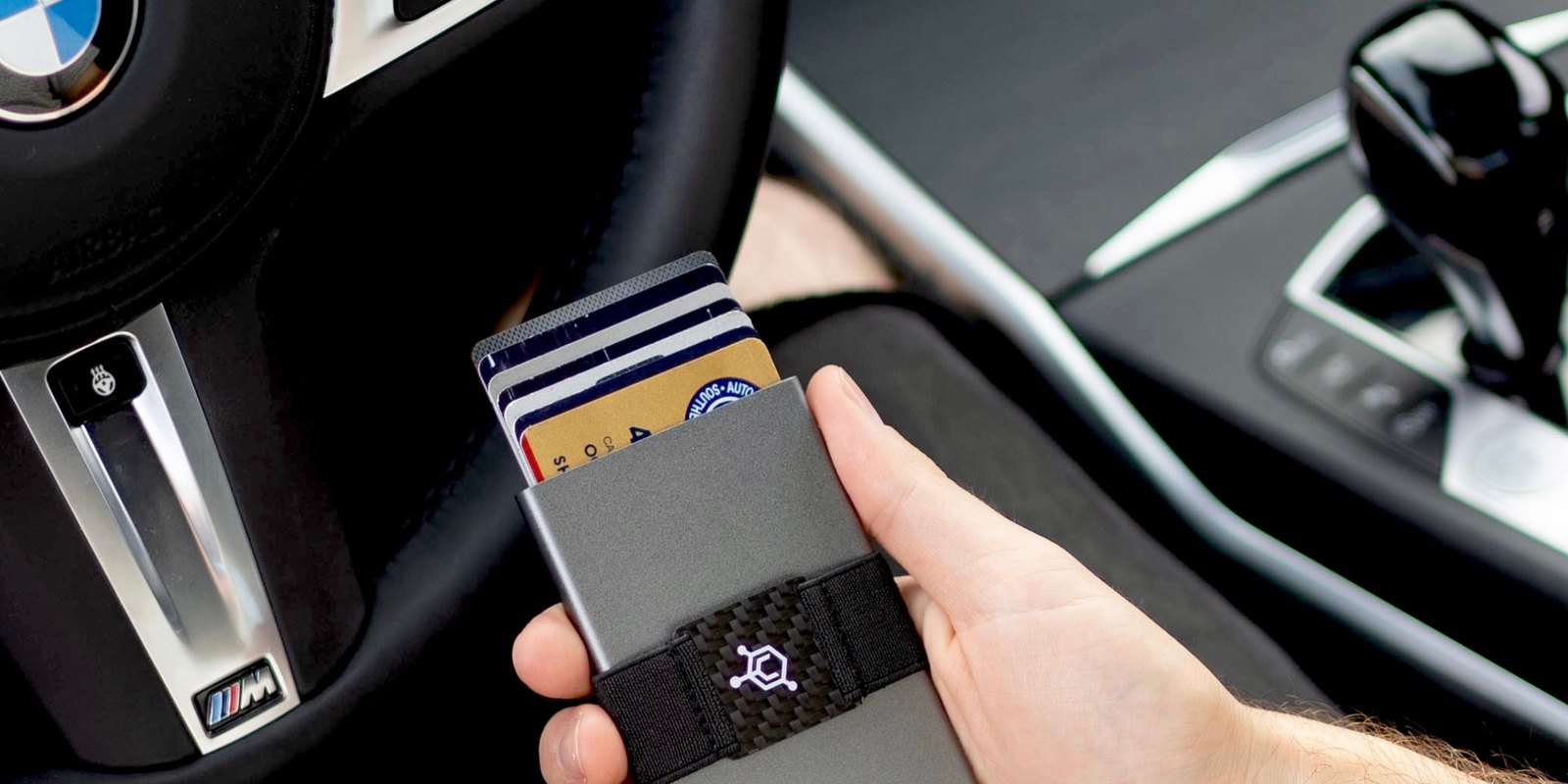
Whether the Ridge wallet is worth it comes down to one honest question: are you paying for the best-built slim wallet, or just the most famous one? At around $95 and up, that’s the trade you’re weighing.
The Ridge is a genuinely good minimalist wallet: two machined metal plates, an elastic band, RFID-blocking, and a lifetime warranty. But it isn’t the only slim aluminum wallet that does those things, and it’s one of the priciest.
Before you spend, here’s a straight look at what you get, the real disadvantages, and why a lot of buyers end up choosing the cheaper Code 118 wallet instead.
The short answer: the Ridge is worth it if buy-it-for-life build and the lifetime warranty matter most to you. If you mostly want the slim, card-shielding carry for less money and faster access, there’s a better-value pick.
See the slim-wallet value pickAre Ridge wallets actually worth it?
For the right buyer, yes. If you want a truly slim metal wallet built to last, carry a moderate card stack, and like the reassurance of a lifetime warranty, the Ridge delivers, and reviewers who’ve carried one for years back that up.
The case for it is real. It’s superbly machined, it comes in aluminum, titanium, and carbon fiber so you can pick your material, and the brand will repair or replace it for life. People who’ve used one for four-plus years routinely say it’s held up and earned the money.
Where it’s less worth it is on price and everyday access. The Ridge starts around $95 and runs past $120 for the premium materials, and the elastic-band design is slower to use than it looks. So it’s worth it when build quality and warranty top your list, and a harder sell when you just want slim-and-cheap.
What are the disadvantages of the Ridge wallet?
Here’s where an honest look matters, because the Ridge has a few real trade-offs the ads skip. Three come up again and again.
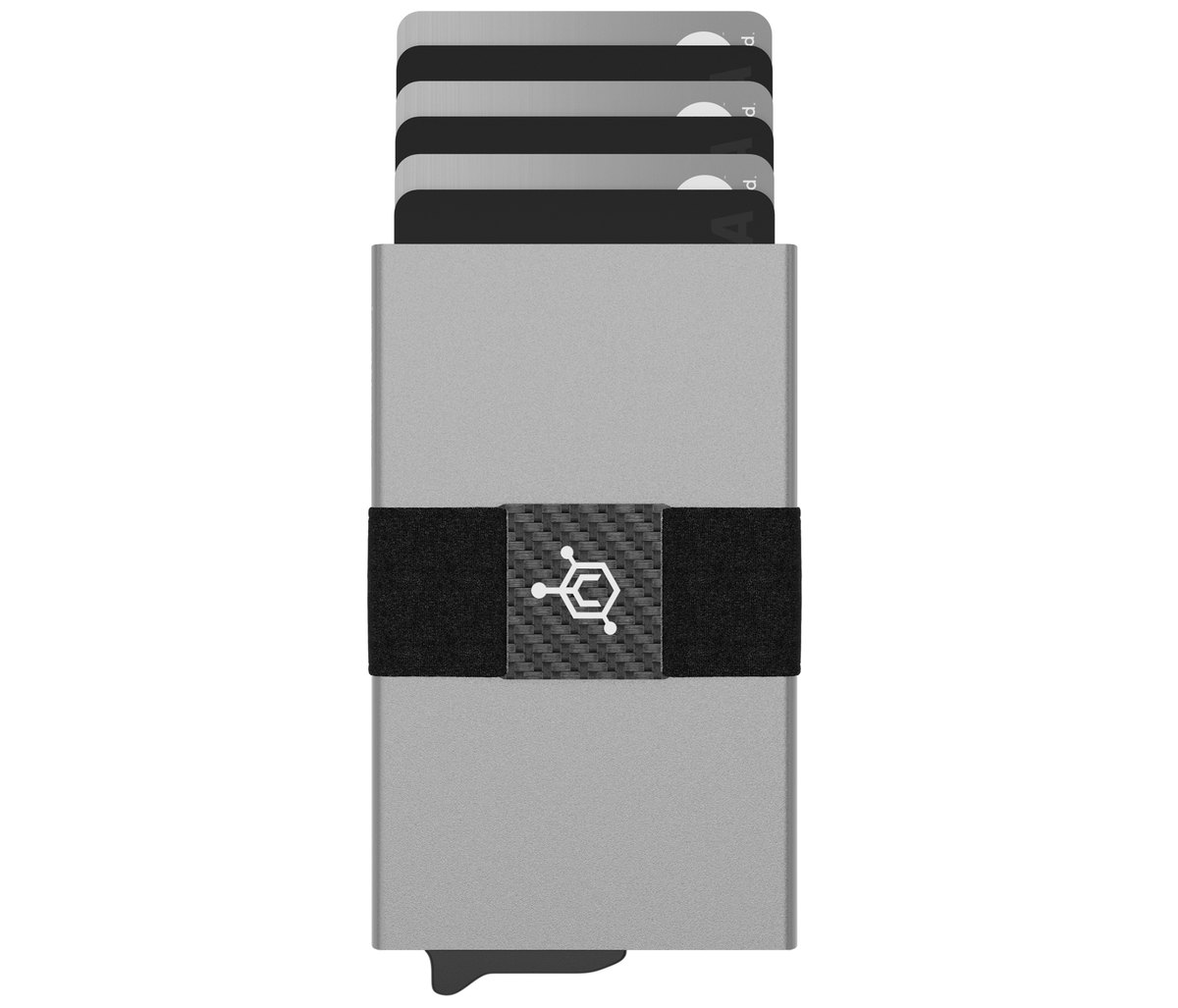
Price is the big one. From about $95 for aluminum and $150 for carbon fiber, it’s one of the most expensive slim wallets, and plenty of near-identical aluminum wallets cost half that.
Card access is the second. The Ridge holds cards in an elastic band you thumb upward, and reviewers consistently find the bottom card in a full band fiddly to reach. Its stated 12-card capacity is real, but filling it that far bulks it up and works against the slim design that’s the whole point.
Finish is the third. The machined aluminum scratches fairly easily and shows fingerprints, so a wallet that lives in your pocket picks up marks over time. None of these are dealbreakers on their own, but together they’re why the “is it worth it” question is a fair one.
What’s the most common complaint about the Ridge wallet?
The single most common complaint is card access. Owners and reviewers repeatedly say that sliding cards out of the elastic band is slower and clumsier than a traditional wallet, and that you have to learn the knack of thumbing them up.
The related gripe is capacity in practice. The band expands to hold a dozen cards, but people find that a near-full Ridge stops feeling slim, so the real comfortable carry is fewer cards than the spec suggests. If quick, one-handed access to any card is what you want at a checkout, the band is the part that frustrates.
To be fair, this is a design choice, not a defect: fewer moving parts is part of why the Ridge is so durable. But it’s the thing new owners notice first, and it’s exactly where a mechanical pop-up wallet pulls ahead.
What’s a better alternative to the Ridge wallet?
If you want everything the Ridge does well without the price or the fiddly band, the Code 118 wallet is the alternative most buyers land on. It’s the same idea done for less: a slim 6061-T6 aluminum body with an RFID-blocking chamber, in a wallet that costs about $49.99, roughly half the Ridge.

The headline difference is access. Where the Ridge makes you thumb cards up a band, the Code 118 has a one-push pop-up that fans every card into a stepped stack, so the third card down is as easy to grab as the first. It also carries a 4.9-star average across more than 12,000 reviews, with 97% of buyers recommending it.
What you give up for the lower price is the lifetime warranty: the Code 118 comes with a 30-day return instead. So if buy-it-for-life is your priority, the Ridge keeps its edge. For a full side-by-side, our Code 118 wallet vs Ridge wallet comparison breaks down price, access, build, and capacity round by round, and our Code 118 wallet review goes deeper on the pop-up.
Check today's Code 118 wallet priceThe bottom line
The Ridge wallet is worth it if you want the best-built slim metal wallet and you value a lifetime warranty over everything else. It’s a genuinely durable, well-made object, and for buyers who carry a moderate number of cards and don’t mind the price, it delivers.
It’s the harder sell if the disadvantages add up for you: the $95-plus price, the fiddly band access, and the scratch-prone finish. In that case the Code 118 gives you the same slim, card-shielding carry with faster access for about half the money.
Weigh warranty and material against price and access, and the choice usually makes itself. For the wider field, our best RFID-blocking wallets roundup ranks both against Ekster and Bellroy, and our do Ridge wallets actually block RFID guide answers the shielding question in plain terms. There’s more everyday carry in the home hub.