

What is the best choking rescue device? For most homes it’s the ResQVac: a reusable, battery-free suction tool that ships with a child and an adult mask for about $49.99, backed by a 90-day money-back guarantee. LifeVac is the pick if you want an FDA-registered device, and Dechoker is the household name, but on everyday value and whole-family coverage the ResQVac is the one to keep in the drawer.
That’s the short answer. The longer one matters, because every honest source agrees a suction device is a backup, not a first move. We read the official specs, the pricing, the FDA’s position, and what groups like the Red Cross teach to get to a pick you can actually trust.
The honest frame: these are backups, not first moves
Before any brand, get the category truth straight, because it decides how you use whatever you buy. If someone’s choking, trained back blows and abdominal thrusts come first, and a 911 call comes first of all. A suction device is the extra option you reach for when those steps haven’t cleared the airway yet.
There’s no independent clinical consensus behind consumer suction tools as a category, so the fair way to hold any of them is as a ready second layer, not a guaranteed fix. That’s not a knock on any one device; it’s the honest ceiling on the whole product type.
Read that way, the “best” device isn’t the one with the loudest “proven” claim. It’s the one that’s simplest to grab under panic, covers everyone in the house, and is low-risk to try.
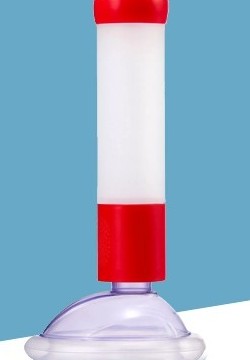
Best for most homes: ResQVac
The ResQVac is the best all-round pick because it gets the basics right and adds the household coverage the pricier single-patient devices skip. It’s a battery-free suction tool with a soft mask and a simple place, push, and pull motion anyone can learn in a minute.
What sets it apart is coverage. It’s reusable, and it ships with two interchangeable mask sizes, a smaller one for children and a larger one for adults, so a single unit protects a toddler, a teen, and a grandparent. It runs about $49.99 with a 90-day money-back guarantee, which is how you look it over and practice the motion with nothing at stake.
Our full ResQVac anti-choke device review walks through the motion step by step, and if you’re weighing it against the best-known name, our ResQVac vs LifeVac comparison lays the two out on how they work, household coverage, regulatory standing, price, and guarantee.
Best if you want an FDA listing: LifeVac
LifeVac is the pick when a formal regulatory listing is your single deciding factor. It’s a suction rescue tool registered with the FDA as a Class II medical device, which is a listing rather than an approval claim, and it has a long public track record that reassures a lot of buyers.
It’s a non-powered unit that seals over the nose and mouth with a one-way valve, and the maker states it works on anyone 22 pounds and over. It uses a single-patient design, so families covering several people often buy more than one. If the FDA classification is what you weigh most, that’s the device that has it, and the ResQVac vs LifeVac breakdown shows exactly where that difference does and doesn’t matter for a home backup.
The known name: Dechoker
Dechoker is the household name to know if brand familiarity is what reassures you. It’s a widely sold suction rescue tool built around a mask and a chamber, marketed for years to families, care homes, and schools, so it has a public presence a newer product doesn’t.
It works on the same suction principle as the rest: seal the mask, pull, and lift the obstruction up rather than push it down, with size options for adults and children. What you weigh against the ResQVac is cost and coverage, since Dechoker units are typically priced per size rather than bundled with two masks and a long money-back window.
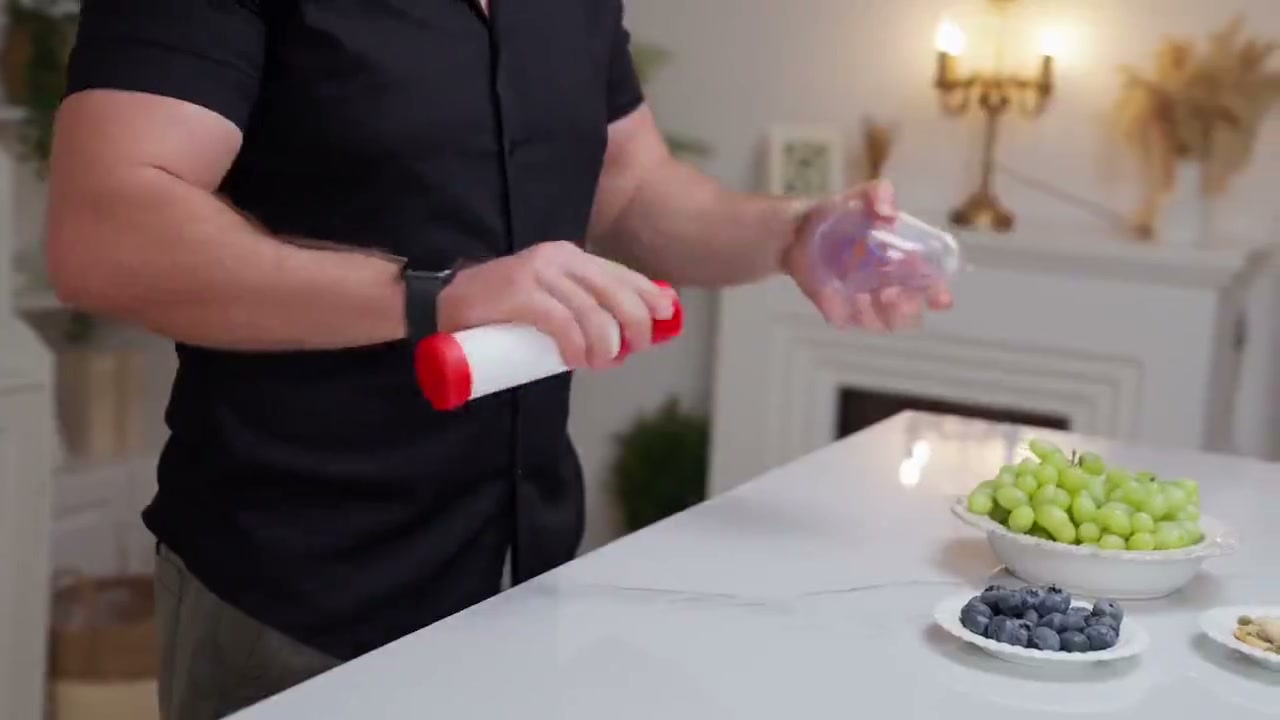
How to choose a choking rescue device
Start with the frame above: whatever you buy is a backup, not a cure, kept beside trained first aid and a 911 call. Then weigh three things that actually separate these devices.
First, who it covers. A reusable, multi-mask device like the ResQVac protects a whole household from one purchase, while a single-patient design points you toward buying several. If you’ve got young kids and older relatives under one roof, coverage and reuse save you money and clutter.
Second, the claims. There’s no independent clinical consensus behind consumer suction tools, so treat “proven” and “100% effective” marketing with a raised eyebrow whatever the brand. A formal FDA Class II registration, like LifeVac’s, is a genuine data point if that matters to you; for everyone else, mask sizes, price, and a real money-back window are the practical differentiators.
Third, how you’ll store and practice it. A device buried in a closet helps no one, so pick one you’ll keep reachable and run through the motion once when it arrives. For the full field ranked side by side, our best anti-choking devices of 2026 roundup compares the options, and the best personal safety alarms of 2026 covers another simple home safeguard.
The bottom line
For most homes, the best choking rescue device is the ResQVac: reusable, two mask sizes, about $49.99, and a 90-day money-back guarantee that lets you try it with nothing to lose. Choose LifeVac if a formal FDA Class II registration is your deciding factor, and consider Dechoker if a long-standing name is what reassures you.
Whichever you pick, remember the one line every honest source repeats. Back blows, abdominal thrusts, and a 911 call come first, and a device like this is the backup you reach for behind them. Keep it right beside your first-aid training, and it earns its spot in the drawer.