
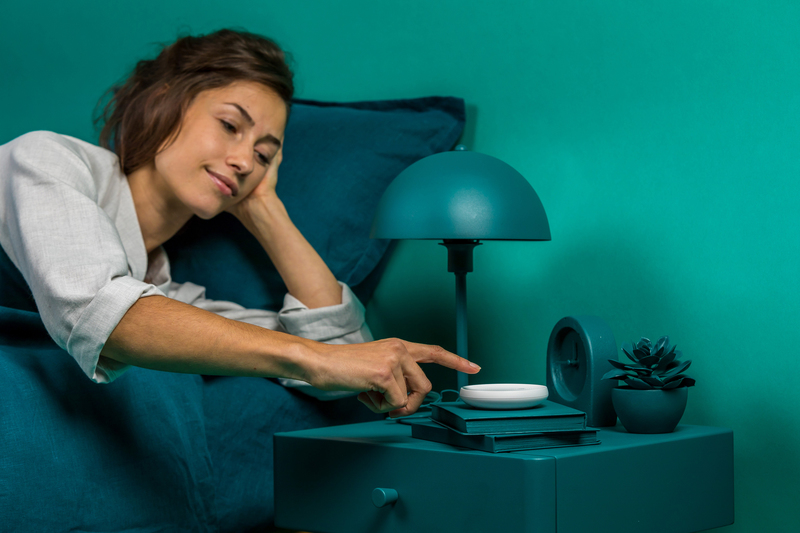
You’re exhausted by 10 p.m., but the second your head hits the pillow your brain starts replaying the day, drafting tomorrow’s emails, and doing that thing where it calculates exactly how little sleep you’ll get if you fall asleep right now.
Pills feel like too big a step for that problem. That’s the exact gap Dodow was built for, and at around $59 it’s one of the cheapest sleep gadgets with a real user base behind it.
For this Dodow review we went through thousands of buyer reviews across Amazon and the editorial roundups, weighted the detailed verified feedback over drive-by one-liners, and compared it against the pricier devices we’ve covered, including a full Moonbird vs Dodow breakdown.
The honest summary: it genuinely helps most people who give it a week, it does close to nothing for a stubborn minority, and there’s one usage quirk almost nobody mentions before you buy.
What Dodow is and how it works
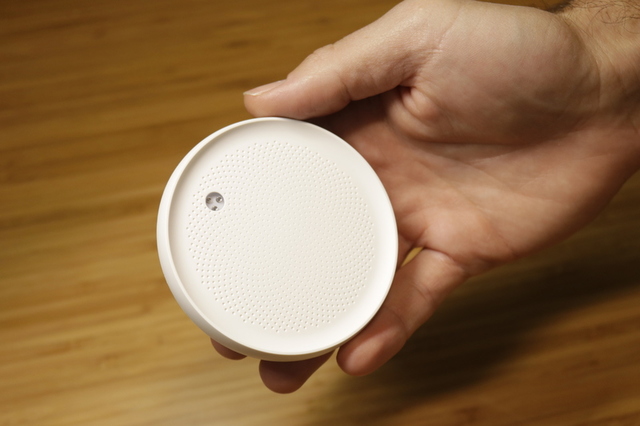
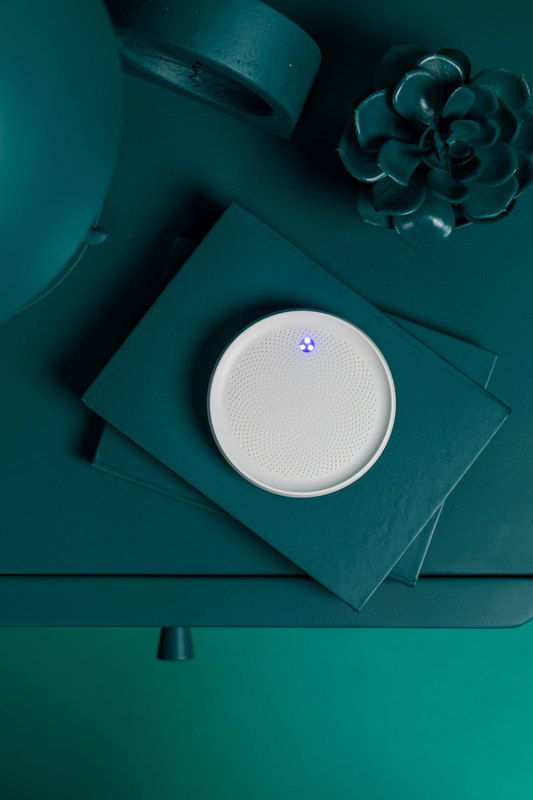
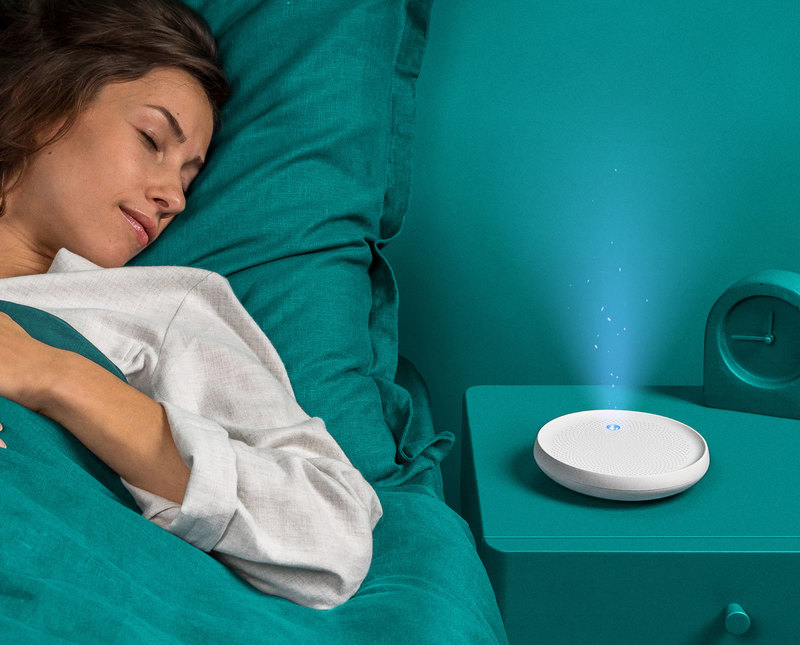
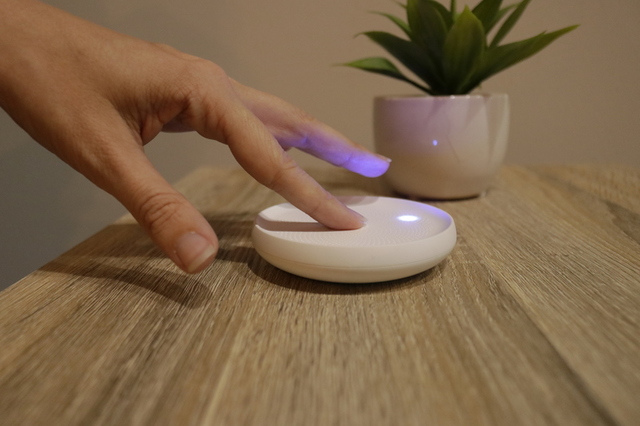
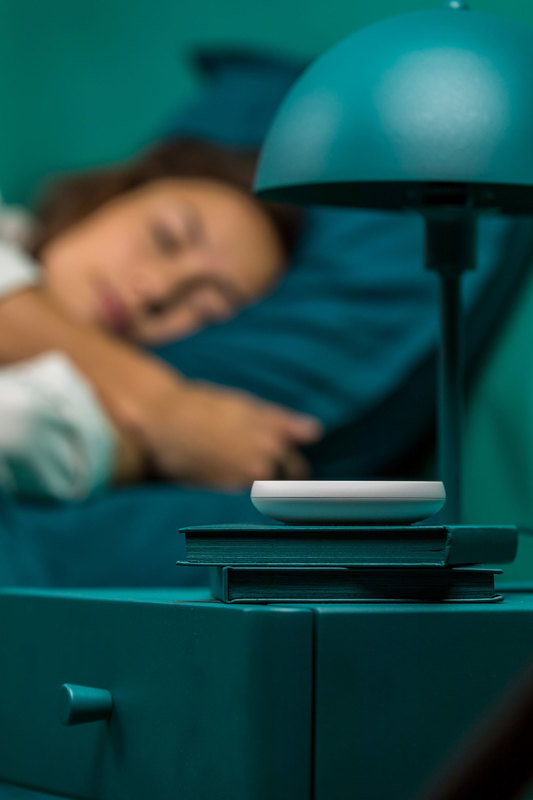
Dodow is a battery-powered disc, made by the French company LivLab, that sits on your nightstand and projects a soft pulsing halo of blue light onto your ceiling. You breathe in as the halo expands and out as it shrinks.
The rhythm starts at 11 breaths per minute and slows to 6 over the course of a session, and slowing your breathing like that is a well-established way to shift your nervous system out of alert mode.
Your body does the winding down; the light just paces you so you don’t have to count.
Tap the top once for an 8-minute session, twice for 20 minutes, and it switches itself off. No app, no subscription, no charging cable. It runs on three AAA batteries that come in the box.
The quirk nobody tells you: you need a clear view of your ceiling for this to work, which makes Dodow a back-sleeper’s device.
If you fall asleep strictly on your side or stomach, you’ll be craning your neck at a light, and several reviewers gave up for exactly that reason.
Key specs
| Spec | Detail |
|---|---|
| Type | Bedside light metronome for paced breathing |
| Breathing pace | Slows from 11 to 6 breaths per minute |
| Modes | 8 or 20 minutes, tap to start, auto shutoff |
| Power | 3 AAA batteries (included), no charging |
| Light | Dim blue halo, under 1 lux per the maker (a phone screen is 70+) |
| Price | Around $59 |
| Returns | 100-night money-back window when bought direct |
What the evidence actually shows
Be precise about what’s proven here.
The physiology Dodow leans on is real: slow, paced breathing at around 6 breaths per minute activates the parasympathetic nervous system, the “rest and digest” side, and that effect is documented in sleep and stress research generally.
Nobody serious disputes that slowing your breath calms you down.
What Dodow doesn’t have is device-specific clinical trials. The headline numbers, users falling asleep “up to 2.5x faster” and about 75% reporting faster sleep onset, come from the maker’s own user surveys, not independent studies.
LivLab says over a million units have been sold, which tells you it’s popular, not that it works. So the fair framing is this: the mechanism is science-backed, the device’s own evidence is customer data. If you want that split laid out in full, our guide on whether Dodow actually works walks through the evidence.
That’s thinner than what backs the Pulsetto, which has a 2025 sham-controlled study, but Pulsetto also costs $269.
What owners say
Across the large Amazon review base and editorial roundups, Dodow’s aggregate sits around 4.0 to 4.1 out of 5. The pattern in the credible, detailed reviews is remarkably consistent: it works by giving a racing mind one simple job.
“What I really like is how it gives my mind something specific to focus on instead of racing thoughts about work or life stress.”
“Once you sync with the breathing pattern it becomes really relaxing and I usually fall asleep during the session now.”
“I found myself just watching the light without ever feeling drowsy.”
That third quote matters. The most common complaint isn’t that Dodow breaks or that refunds get dodged, there’s no pattern of either. It’s that for some people the light never becomes hypnotic, it’s just a light.
A smaller group finds the glow itself distracting, and a few partners complain about a pulsing ceiling in a shared bedroom. Honestly, if I shared a bed with a light-sensitive sleeper, I’d clear it with them before spending the $59.
Pros and cons
What we liked
- Cheapest credible sleep device we've covered at around $59
- Dead simple: no app, no account, no subscription, no charging
- The paced-breathing mechanism is real physiology, not a gimmick
- 100-night return window (bought direct) makes a fair trial low-risk
What we didn't
- Only available online
Who it’s not for
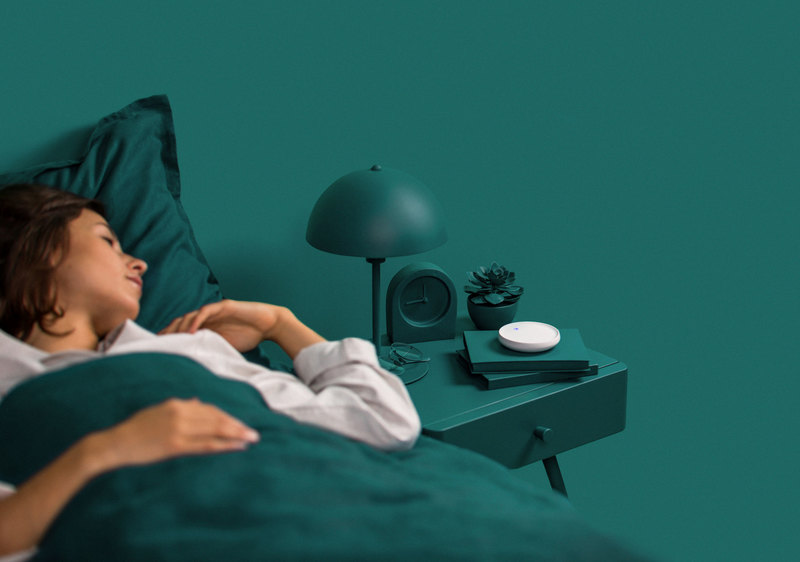
Side and stomach sleepers should think twice, since following a ceiling light from those positions is awkward at best.
Skip it too if your problem is staying asleep rather than falling asleep; Dodow’s whole job happens in the first 20 minutes of the night. If you keep waking in the “forbidden hour” around 3am, Dodow is more useful the second time you turn it on than the first.
And if you already know guided breathing does nothing for you, a light won’t change that. Breathing apps cost nothing, so you can test the basic idea tonight before spending anything.
It’s also not a medical device. It can help with the racing-mind side of insomnia, and plenty of owners say it did, but nothing about it guarantees results, and persistent insomnia deserves a real diagnosis. If you’re not sure which side of that line you’re on, the 3-3-3 rule for sleep is a 30-second doctor’s test for when bad nights have crossed into something worth checking. And if you’re helping an older parent, our guide to the safest sleep aids for older adults explains why a drug-free tool like this beats sedatives and “PM” pills after 65.
For everyone else, especially anyone whose body is tired while their head won’t shut up, Dodow is the lowest-risk entry point in the category.
That’s why it took the budget slot in our roundup of the best sleep gadgets of 2026, behind the $199 Moonbird, which does the same breath-pacing job through your hand instead of your eyes and works in any sleeping position.
Verdict
Dodow earns a 9.5. It does the one job it was built for about as well as a $59 gadget can, and the physiology behind it is real — the honest caveats are that the outcome data is the maker’s own surveys, and a minority of sleepers won’t respond to it.
But it costs $59, asks for no subscription, and gives you 100 nights to find out which group you’re in.
As cheap experiments go, few are this sensible. If you want the mechanism itself before you buy, our guide on how Dodow works walks through the pulsing light and the 6-breaths-a-minute rhythm behind it. And if you landed here chasing a viral method, our guide to the Japanese trick to fall asleep fast explains why it’s really just paced breathing, and where Dodow fits.
Check today's price