
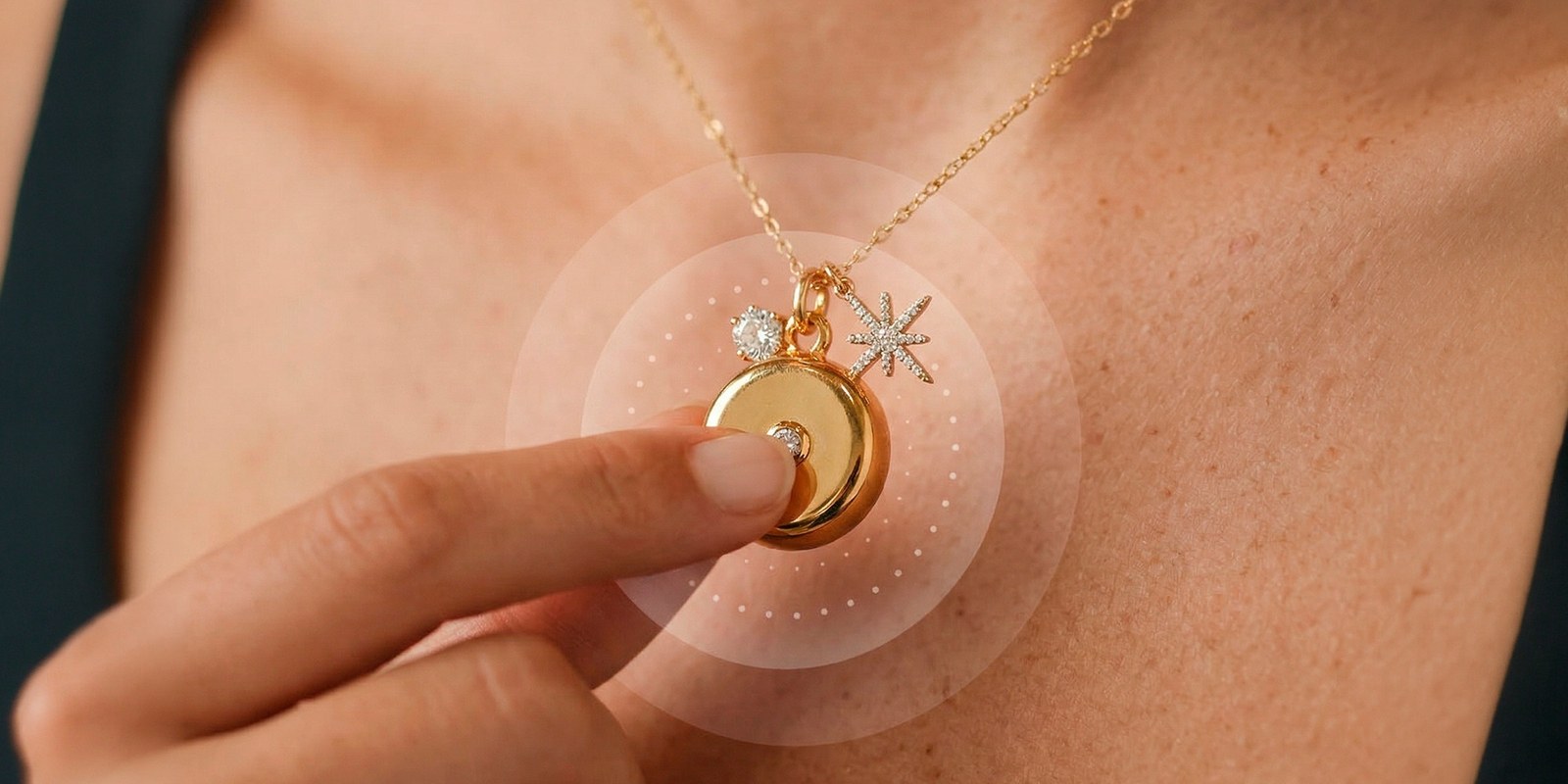
You’re walking to the car after a late shift, keys in hand, and you want a way to call for help that doesn’t mean fumbling to unlock a phone. That’s the exact moment invisaWear is built for, and once you understand how it works, it fills that gap neatly.
This invisaWear review breaks the smart safety jewelry down piece by piece. The invisaWear is a necklace, bracelet, or keychain with a hidden button. A firm double-press tells the paired app on your phone to send your live GPS location to up to five emergency contacts, and on the monitored plan it can loop in a 24/7 ADT agent who dispatches help.
For this review we read the maker’s specs and policies, checked current pricing across every style, and weighed a wide spread of owner feedback and app-store ratings. The short version: as a discreet, wearable panic button you’ll actually keep on, it delivers, and once you’ve set up the phone app and a Safety Plan it just rides along.
What invisaWear actually is

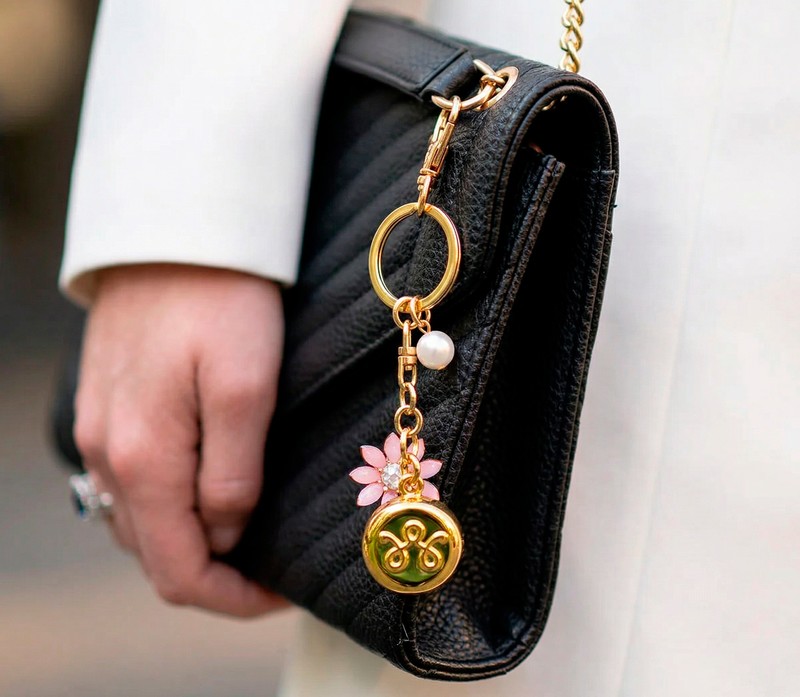
invisaWear is a hidden panic button dressed as everyday jewelry, and that disguise is the whole point. A loud keychain alarm announces itself. This looks like a normal pendant, bracelet, or keychain charm, so the button is there when you need it and invisible when you don’t.
The honest way to read it is as a companion to your phone, not a standalone gadget. Press the button and the alert travels by Bluetooth to your phone, which then texts your contacts a live, updating map link. No phone in range, no alert, so this is a tool for people who keep their phone on them.
That framing sets the limits and the appeal. It’s not a siren and it doesn’t dial 911 by itself, but it turns one deliberate press into a location-shared call for help without you ever reaching for a screen.
How the alert actually works
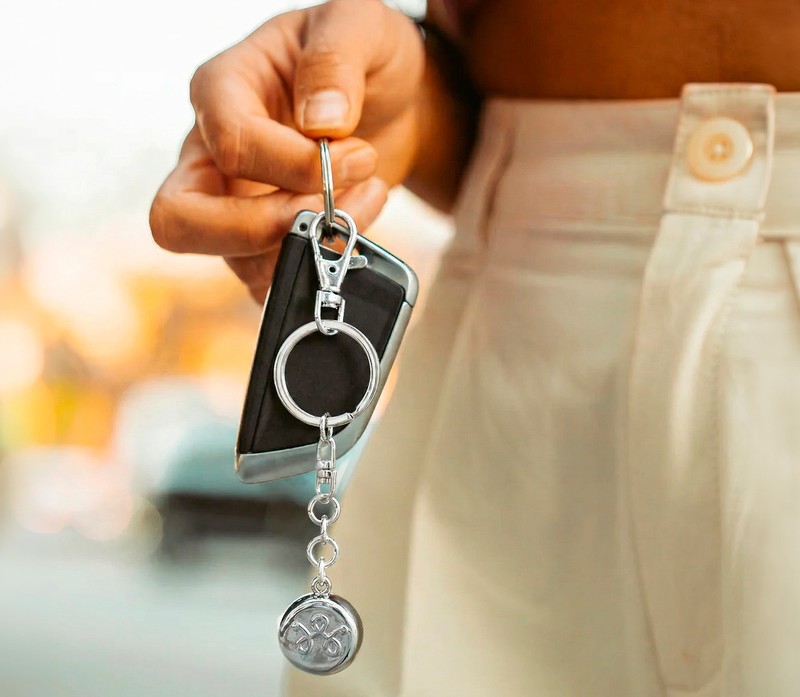
A firm double-press is the trigger, and it’s designed to need real pressure so a bump in your bag doesn’t set it off. From there the app sends your location to your chosen contacts, and it keeps updating as you move rather than dropping a single pin.
If you press it by accident, you get 15 seconds to open the app and enter a PIN to cancel. On the monitored plan, an ADT agent reaches out to verify before anything escalates, which keeps a stray press from turning into a false alarm at your door.
Here’s the detail the marketing soft-pedals: the device needs an active Safety Plan to do anything. invisaWear is candid that without a plan, it’s “simply a beautiful piece of jewelry.” So this is a hardware-plus-subscription safety service, and pricing it means counting both.
Styles, battery, and setup
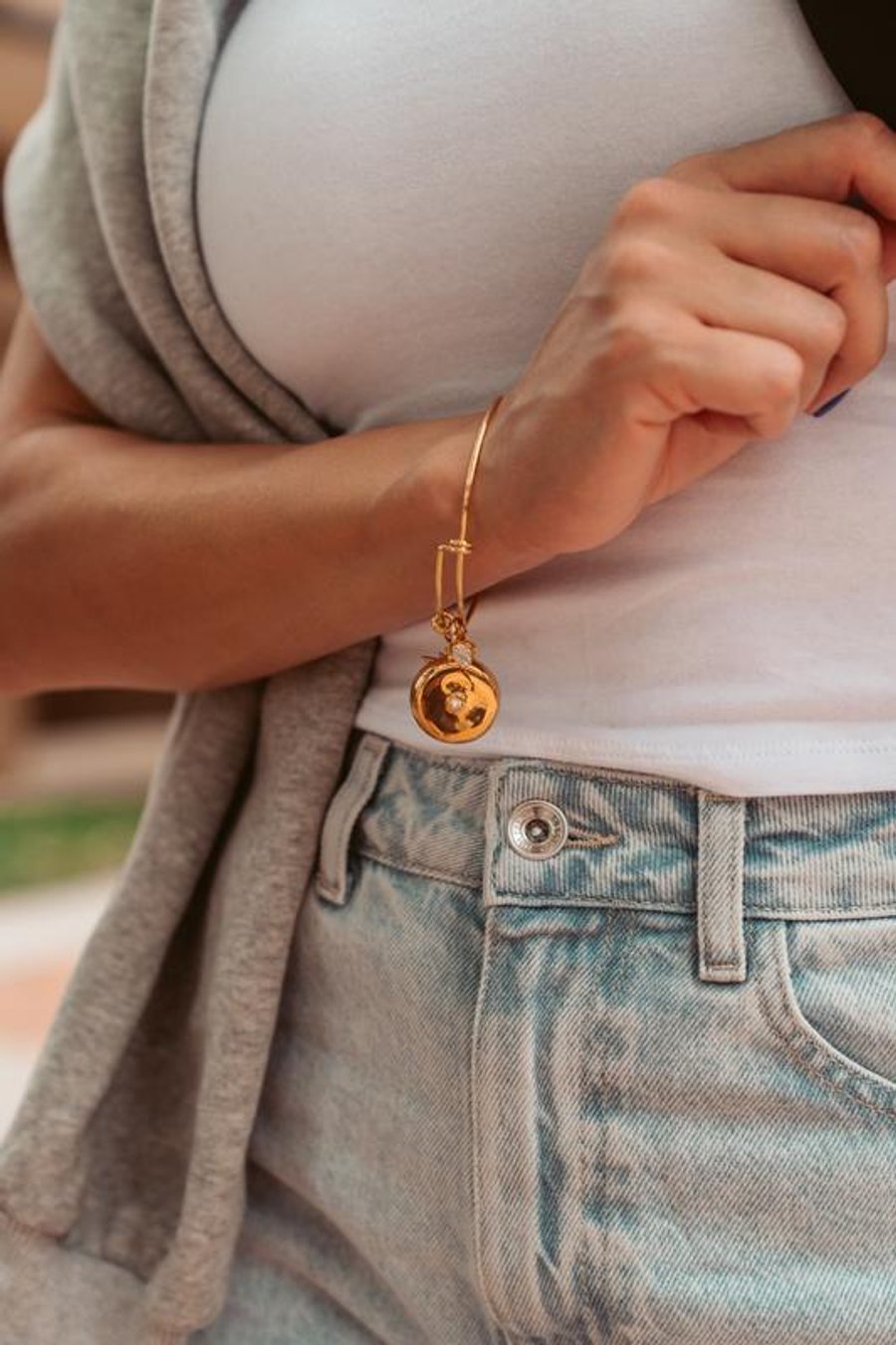
invisaWear comes as necklaces, a classic bracelet, and a pendant keychain, so the button rides along however you like to wear it. The pieces are meant to pass as regular accessories, and buyers consistently say they look the part rather than like a safety device.
On power, there’s nothing to charge nightly. invisaWear says the coin-cell battery lasts about three years and isn’t user-replaceable, with a free replacement if you hold an active plan two years or longer; some owners report closer to a year, so treat three years as the maker’s figure. Setup is a one-time pair with the app over Bluetooth, which reaches roughly 30 feet to your phone.
The app carries real weight here, and it’s the piece to get right. It has to be installed, signed in, and reachable for an alert to send, so this suits someone comfortable keeping an app and a phone in the loop.
| Spec | Detail (per the maker) |
|---|---|
| Styles | Necklaces, classic bracelet, pendant keychain |
| Trigger | Firm double-press of the hidden button |
| Alert | Live GPS location to up to 5 contacts via the paired phone |
| Monitoring | Optional 24/7 ADT agent (can dispatch 911, US and Canada) |
| Battery | Coin cell, ~3 years per maker, not user-replaceable |
| Connection | Bluetooth to phone, roughly 30 ft range |
| Requires | Paired smartphone, the app, signal, and an active plan |
The price, and what the plan really costs
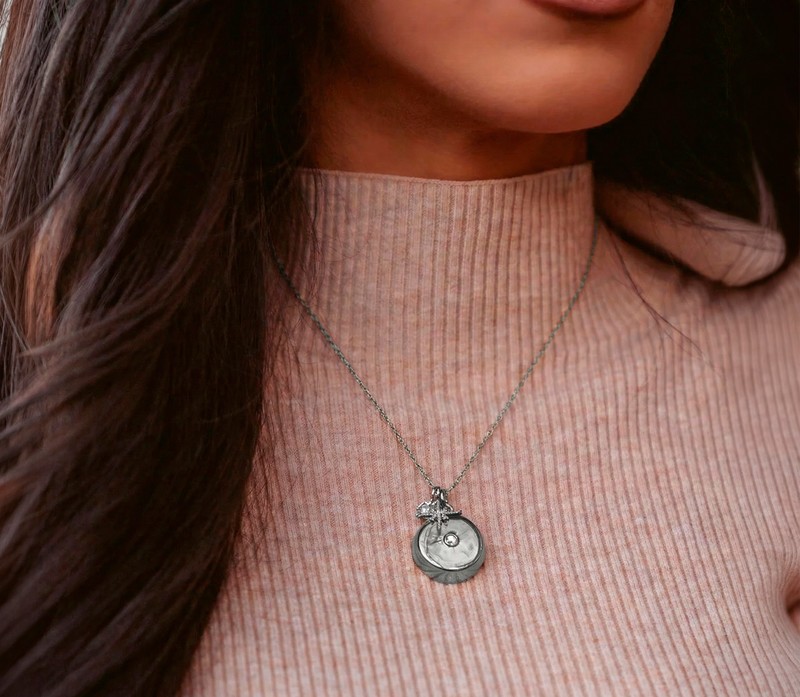
The hardware is the easy part: invisaWear necklaces and the bracelet run about $99, and the pendant keychain is around $49. Those are the sale prices most buyers pay, and shipping is free over $100.
The number that matters more is the subscription. A Safety Plan starts around $14.99 a month to power the alerts, and the $19.99 tier adds 24/7 ADT professional monitoring with 911 dispatch, check-in calls, and SOS features. Over a year that’s roughly $180 to $240 on top of the piece, so price it as a service, not a one-time buy.
Here’s the tip worth knowing: the returns window is 30 days with a $10 restocking fee, and subscriptions are non-refundable. Set the piece up right away so any trial time counts, and decide early whether the monthly plan fits your life.
Check today's invisaWear priceHow it compares
The rivals split into louder-but-dumber and pricier-but-independent. She’s Birdie is a $29.95 keychain alarm with no subscription, but it only makes noise: no GPS, no contacts, no phone needed. It’s the pick if you want something that works anywhere with zero monthly cost.
Flare is the closest match, a discreet bracelet with an app, alerts to five contacts, and optional 911 text, at a similar subscription. An Apple Watch dials 911 directly with no monthly fee, but it’s pricier hardware and hard to call discreet. Against all of them, invisaWear wins on looking like real jewelry while carrying genuine 24/7 monitoring behind it. Our invisaWear vs bSafe comparison weighs a wearable button against a safety app in detail, and our roundup of the best personal safety jewelry with a panic button ranks the discreet buttons head to head.
On the Apple App Store, the invisaWear app holds a 4.6 rating across roughly 552 ratings, and the recurring theme in reviews is reassurance. As one owner put it, “I pressed it by accident once and immediately got a call asking if I need help.” Those ratings are self-selected, but the pattern, that the alert reaches someone, is the reason people wear it.
Pros and cons
What we liked
- A hidden one-press SOS built into jewelry you'll actually wear, no phone to unlock in the moment
- Sends your live, updating GPS location to up to five emergency contacts
- Optional 24/7 ADT professional monitoring that can loop in an agent and dispatch 911
- A roughly three-year coin-cell battery with nothing to recharge, and a 4.6-star app across about 552 App Store ratings
What we didn't
- Only available online
Who it’s for
If you want discreet, always-on reassurance for a night out, a run, a late shift, or a walk to the car, and you keep your phone on you, invisaWear is an easy piece to live with. Pair it with the habit you already have of carrying a charged phone, and the button is there the instant you need it.
Look elsewhere if you want something that works with no phone and no subscription. In that case a loud standalone alarm like She’s Birdie, or a cellular smartwatch that calls 911 on its own, fits better, with a very different trade-off in discretion and cost.
For more everyday-carry safety gear, our best personal safety alarms of 2026 roundup covers the noise-making side, our Home Defender Cam vs Ring breakdown watches the home itself, and our best RFID blocking card guide rounds out the pocket kit. There’s more in the home hub.
Verdict
invisaWear earns a 9.1. Taken for what it is, a real panic button hidden inside jewelry you’ll wear every day, it delivers discreet, location-shared help without you ever reaching for a screen.
Wear it out the door, keep your phone charged and on you, and on the monitored plan a 24/7 ADT agent stands behind the press, which is the reassurance that makes people clip it on and forget it’s there.
See today's invisaWear price