

The instinct when an older parent can’t sleep is to reach for something at the drugstore, and that’s exactly the move most geriatric specialists want you to slow down on. The body over 65 clears drugs more slowly, and the sedatives that feel harmless can quietly raise the odds of a middle-of-the-night fall.
So the honest answer to “what’s the safest sleep aid for older adults” starts with what to skip, moves to the habits that actually work, and only then gets to the low-risk aids worth trying. None of this replaces a doctor, especially where other medications are involved.
Here’s the order of operations that keeps an older adult safest.
The sleep aids to avoid after 65
Three common categories carry more risk than reward for older adults, and the guidance on them is strong, not a hunch.
The American Geriatrics Society Beers Criteria (updated 2023) advise against benzodiazepines (like temazepam and lorazepam) and “Z-drugs” (like zolpidem, sold as Ambien) for insomnia in people over 65. The concern is well established: a higher rate of confusion, next-day impairment, falls, and fractures, in exchange for only a small gain in sleep.
The one that catches most families off guard is the OTC aisle. Diphenhydramine, the active ingredient in Benadryl and hidden inside most “PM” and “nighttime” products, is strongly anticholinergic. In an older body that means grogginess, dry mouth, confusion, and unsteadiness the next day.
There’s a longer-term flag too. A 2015 study in JAMA Internal Medicine followed about 3,500 adults over 65 and found that heavy cumulative use of strong anticholinergics, diphenhydramine among them, was associated with a higher dementia risk. Harvard Health is careful about what that means: it’s a link, not proof that the drugs cause dementia, and occasional use is a different thing from years of nightly use.
The takeaway isn’t panic. It’s that a nightly “PM” pill is the wrong default, and a doctor can suggest something with a cleaner profile.
Start with the approach that actually works
The most effective insomnia treatment for older adults isn’t sold in a bottle at all. The American College of Physicians recommends cognitive behavioral therapy for insomnia (CBT-I) as the first-line treatment for chronic insomnia in adults, ahead of medication.
CBT-I retrains the habits and thoughts that keep someone awake: a fixed wake time, using the bed only for sleep, gently cutting the hours spent lying awake, and loosening the anxious “I’ll never sleep” spiral. It works in older adults and carries almost none of the drug risks. You can do it with a therapist, a workbook, or an app.
Alongside it, the boring basics do real work. Keep a consistent sleep and wake time seven days a week. Get bright light in the morning and keep the bedroom cool, dark, and quiet. Cut caffeine and alcohol well before bed, and ease off evening fluids so a full bladder doesn’t do the waking.
One older-adult-specific point: check whether something else is the real culprit. Sleep apnea, restless legs, pain, an enlarged prostate, or an existing medication can all be the actual cause, and fixing that is safer than stacking a sleep drug on top.
Where melatonin fits, and its honest limits
Melatonin is the supplement most people ask about, and it’s reasonable to consider, as long as you go in clear about what it does.
The effect is real but modest, on the order of falling asleep a few minutes faster. A low dose of 0.5 to 1 mg is generally the sensible range and often works as well as the 5 or 10 mg bottles on the shelf, which can leave an older adult groggy the next morning.
Two cautions matter more for seniors. First, supplements aren’t tightly regulated: a 2017 study in the Journal of Clinical Sleep Medicine tested 30 melatonin products and found the actual content ranged from 83% below to 478% above the label, with a quarter also containing serotonin. Look for a third-party seal like USP or NSF. Second, melatonin can add to other sedatives and interact with blood thinners, so a pharmacist should sign off before it becomes a nightly routine.
Low-risk devices and wind-down aids
If the goal is something an older adult can use every night with essentially no drug risk, a few non-drug aids are worth a look. They won’t cure a real sleep disorder, and they don’t replace CBT-I or a doctor’s workup, but the downside is close to zero.
Paced, slow breathing is the simplest. A longer exhale nudges the nervous system toward its rest state and gives a busy mind one thing to do. The evidence is modest and mechanism-based rather than proven in big trials, but it’s free and safe.
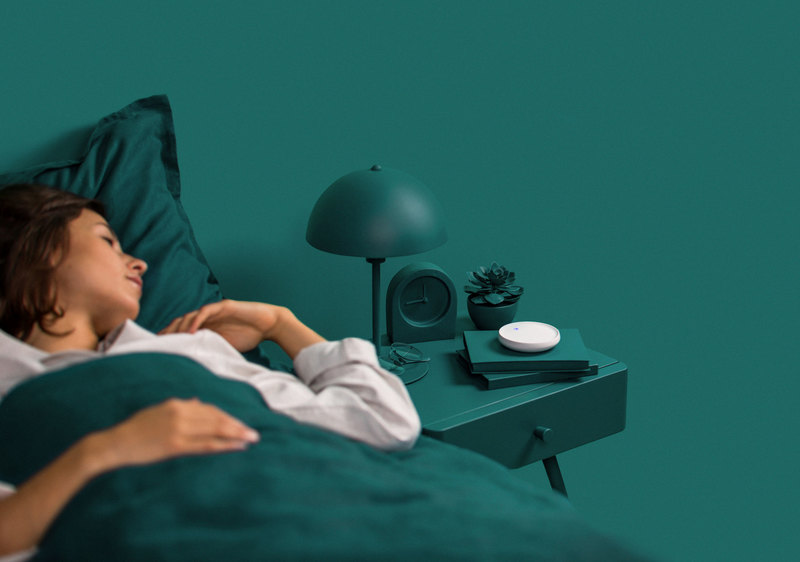
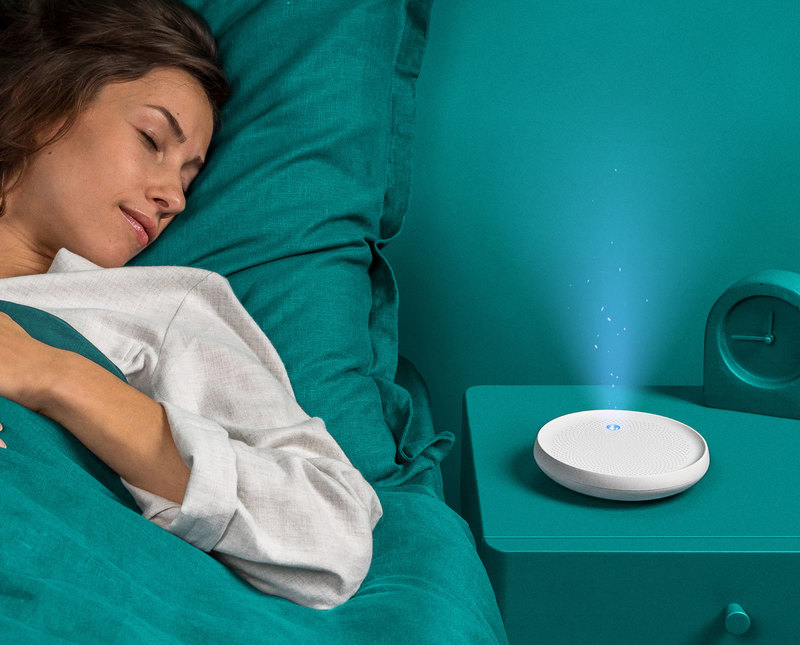
A device can make that habit easier when concentrating is hard. The Dodow is a small nightstand light that expands and contracts a glow on the ceiling; you breathe in as it grows and out as it shrinks, and it slows the rhythm until it switches off. It’s a low-risk, non-drug, non-habit-forming wind-down aid with no drug interactions, which is exactly why it suits an older adult who wants to avoid pills. Our Dodow review covers how the light-pacer works, what its 100-night trial really means, and who it helps. For a handheld version of the same idea, the Moonbird review walks through a breathing pacer you hold in your palm.
Two more count as low-risk: a white-noise machine to mask a noisy street (weak evidence, but nil risk), and a weighted blanket for its calming pressure (promising early studies, though a very heavy one can be hard for a frail person to move). Treat all of these as helpers, not treatments.
The safest sleep aid for older adults, in one plan
For an older adult, the safest sleep aid is a non-drug plan first: fix the sleep habits, rule out an underlying cause, and try CBT-I, adding a gentle wind-down like paced breathing or a Dodow if a racing mind is the problem.
If a product still seems needed, favor low-dose melatonin over sedatives or “PM” antihistamines, and loop in a doctor or pharmacist about interactions and any existing conditions. For more gear that helps a bedroom wind down, see our best sleep gadgets of 2026 roundup and the how to fall asleep faster tonight guide, or the sleep hub for the full library.