
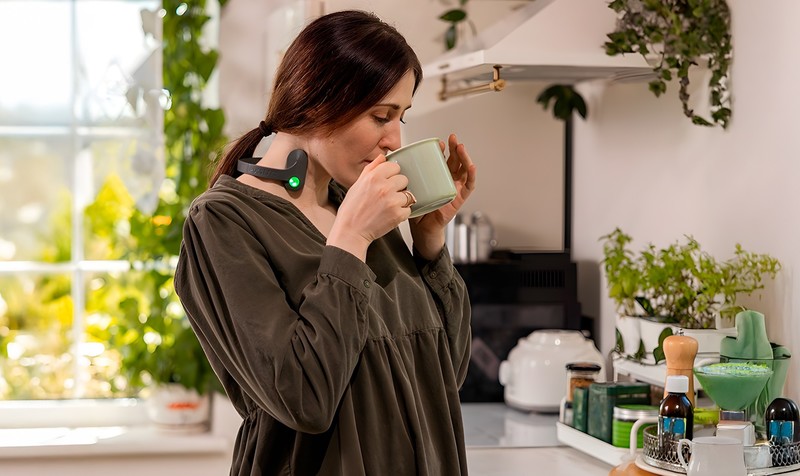
The Moonbird is a lovely little device, but two things send people looking for an alternative: the $199 price, and the fact that you have to actively breathe along with it. It only does one job, and it needs you awake and participating to do it.
Some nights you don’t want to concentrate on your breathing. You want something that either does the calming for you, or costs a fraction as much.
We compared the sleep-and-stress devices that owners most often buy instead of the Moonbird, weighing price, how hands-on each is, the research behind them, and what thousands of buyers actually report. We didn’t wire ourselves to a lab, so every claim below traces to the makers or to owners.
Two came out ahead for different reasons. The Pulsetto is the best overall alternative because it does the work for you, and the Dodow is the budget pick that solves the falling-asleep half for about a third of the price.
The best Moonbird alternatives at a glance
1. Pulsetto: the best overall alternative
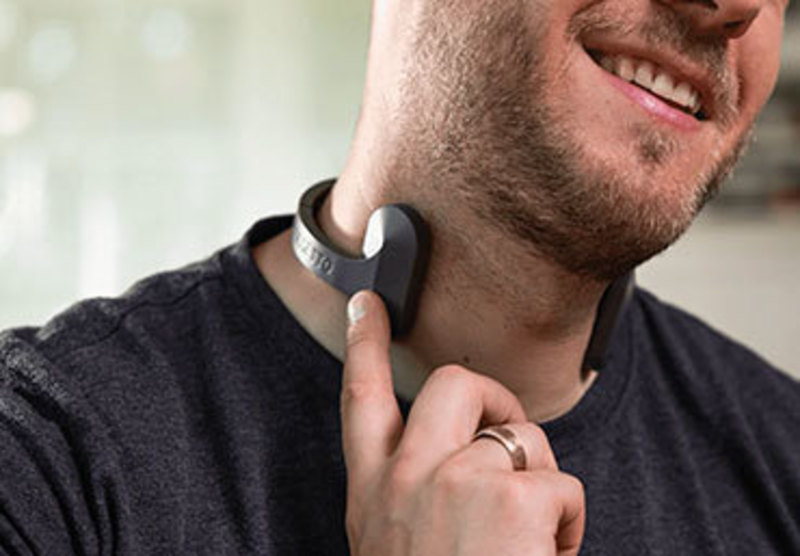
The Pulsetto fixes the Moonbird’s biggest ask: it doesn’t need you to do anything. It’s a soft neck collar that delivers gentle electrical pulses to the vagus nerve, the nerve that helps switch your body into its rest-and-digest state, so the calming happens to you rather than through your own effort.
That’s the real difference. A Moonbird session is you breathing along with the device. A Pulsetto session is hands-off: you pick a program in the app, sit back for four to ten minutes, and let it run, usually once or twice a day.
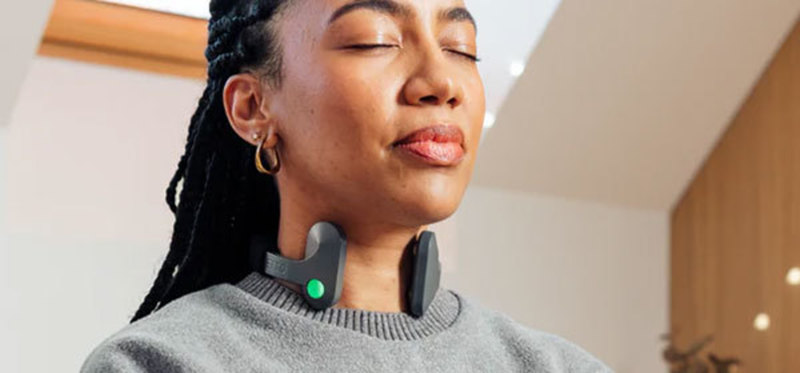
The evidence tier is a step up too. Sham-controlled research on the neck-based vagus nerve stimulation it uses reported lower blood pressure and more alpha-wave activity versus a control group, and the average of more than 3,000 buyer reviews sits around 4.2 out of 5. It’s the strongest research base of anything here.
What the sales page won’t stress: there are two small ongoing costs. You need a dab of conductive gel for each session, and the deepest guided programs sit behind an app subscription on top of the roughly $269 hardware. Neither is a dealbreaker, but budget for both. It’s also worth knowing the device isn’t for everyone: skip it if you have a pacemaker, a heart-rhythm condition, metal implants in the neck, you’re pregnant, or you’re under 18, and treat it as a calming aid, not a medical treatment.
The counterweight is a 30-day money-back guarantee and a 2-year warranty, so you get a real window to feel whether the passive approach works for you.
“It does what it said it would and genuinely helps me fall asleep. I use the sleep program most nights now.”
“I was a skeptic. Five minutes on the stress setting and my shoulders drop. It has honestly improved my life.”
Against the Moonbird, the trade is simple. Pulsetto costs more and asks you to keep gel on hand, but it does the calming for you and has the deeper research. If your stress feels like a nervous system stuck in high gear, and you won’t reliably sit and practice breathing, it’s the better tool. We go deeper in our Pulsetto review and our head-to-head Moonbird vs Pulsetto comparison.
What we liked
- Completely hands-off: it stimulates the vagus nerve for you, no breathing along required
- The strongest evidence here, with sham-controlled research on the method and 4.2 stars across 3,000-plus reviews
- Short four-to-ten-minute sessions with guided programs for stress, sleep and burnout
- A 30-day money-back guarantee plus a 2-year warranty
What we didn't
- Only available online
2. Dodow: the best budget alternative
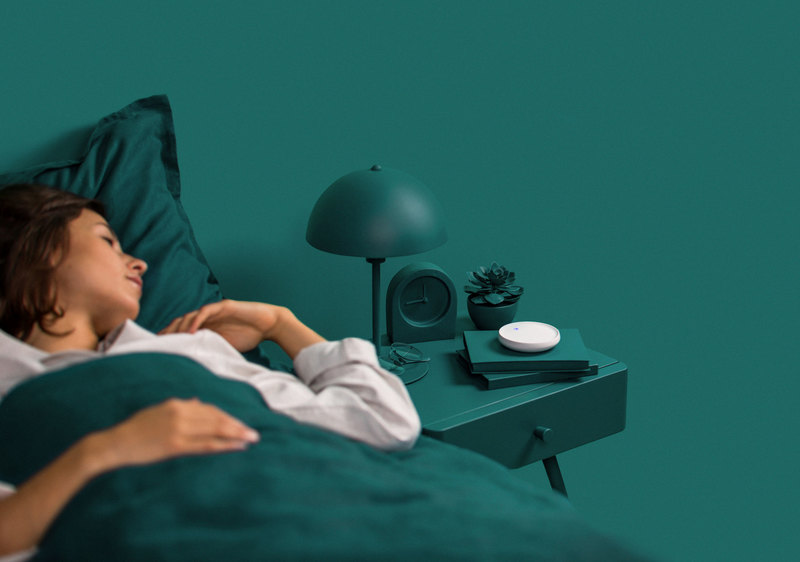
The Dodow comes at the problem from the opposite end: it’s dead simple and cheap. It’s a bedside light metronome that projects a soft blue halo on your ceiling, and you breathe in and out with the light as it slows from 11 breaths a minute down to 6, the pace that helps your body wind down.
At around $59, it’s about a third of the Moonbird’s price, and it shares the same core idea of paced breathing without the tactile squeeze. Where the Moonbird is a portable coach you hold, the Dodow is a nightstand fixture you tap and forget.
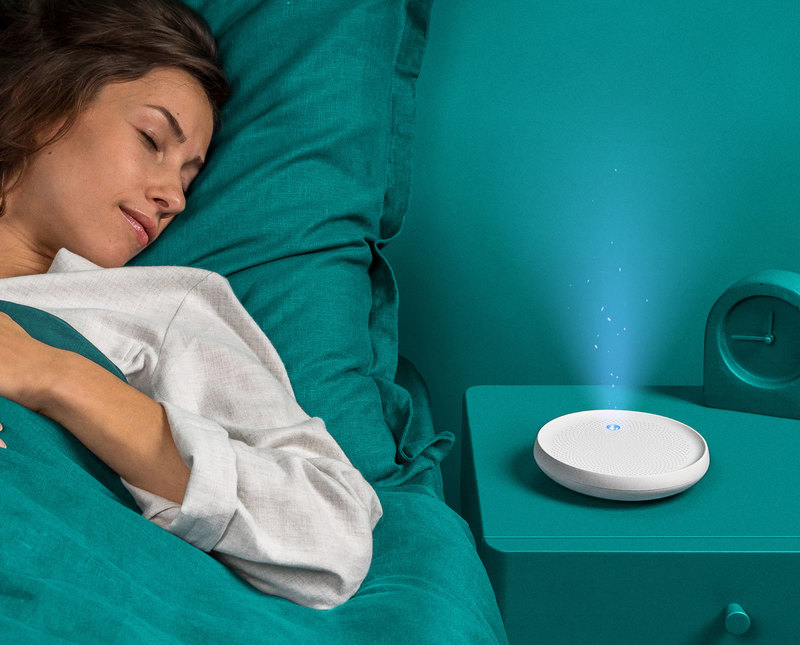
It runs on 3 AAA batteries with no app and no subscription, offers 8 or 20-minute modes, and shuts itself off. The maker’s user surveys report about 75% of people fall asleep faster, and the aggregate of thousands of buyer reviews sits around 4.0 to 4.1 out of 5.
Here’s the honest catch owners learn: roughly a quarter of users say it does little for them, and because the light goes on the ceiling, it’s really a back-sleeper’s tool. It also only helps you fall asleep, not stay asleep. Dodow backs it with a 100-night money-back window bought direct, which is a generous runway to find out which group you’re in.
Against the Moonbird, Dodow is the value swap: cheaper, hands-free once it’s running, and genuinely good at the one job of quieting a racing mind at lights-out. Our Dodow review has the full picture.
What we liked
- The cheapest credible alternative at about $59, roughly a third of the Moonbird's price
- Hands-free once it starts: tap it and breathe with the ceiling light, no holding or app
- Runs on AAA batteries with no subscription, and a generous 100-night money-back window
- A real paced-breathing method with thousands of reviews around 4.0 to 4.1 stars
What we didn't
- Only available online
How the alternatives compare to Moonbird
The quickest way to see the choice is side by side. The Moonbird is the baseline you’re replacing; the two picks trade on price and effort.
| Moonbird | Pulsetto | Dodow | |
|---|---|---|---|
| What it is | Tactile breathing coach | Vagus nerve neck device | Bedside breathing light |
| Price | $199 | ~$269 | ~$59 |
| Effort | You breathe along | Hands-off | Hands-free once started |
| Session | 2 to 20 min | 4 to 10 min | 8 or 20 min |
| Guarantee | 30-day | 30-day | 100-night |
Read it as a fork. If you want more than the Moonbird does, the Pulsetto stimulates the nervous system directly and asks nothing of you. If you want the same idea for less, the Dodow does paced breathing for a third of the price.
How to choose a Moonbird alternative
Start with the real reason you’re looking past the Moonbird. If it’s the effort, go hands-off. The whole appeal of the Pulsetto is that it works whether or not you feel like participating, which matters most on the nights you’re too wired to concentrate.
If it’s the price, the Dodow is the honest answer. It won’t stimulate a nerve or track your heart rate, but it does the paced-breathing part that makes the Moonbird calming, for a fraction of the cost.
Then think about when you’ll use it. A device for winding down in bed can live on the nightstand, which suits the Dodow. A device for daytime stress resets needs to be portable and quick, which is where the Pulsetto’s short sessions fit.
Finally, keep expectations honest. None of these treat anxiety, insomnia or any condition. They’re relaxation and sleep-support tools, results vary from person to person, and a real minority feel little from any of them. Buy the one whose approach you’ll actually stick with, and lean on the money-back window if it isn’t for you.
The verdict
The best Moonbird alternative for most people is the Pulsetto, because it removes the Moonbird’s one real chore: it stimulates the vagus nerve for you, hands-free, backed by the strongest research and 4.2 stars across 3,000-plus reviews. It costs more, and you’ll keep gel on hand, but it does the calming without asking you to.
If the price is what pushed you away from the Moonbird, the Dodow is the pick: a $59 breathing light that paces you to sleep with a generous 100-night window to try it. Pair either with the rest of your wind-down in our best sleep gadgets roundup, compare the top nerve devices in our Moonbird vs Pulsetto breakdown, and find more in our sleep hub.
See today's Pulsetto price