

You’ve been told to lower your stress a hundred times, and not once has anyone handed you a switch that actually flips your body out of fight-or-flight. Breathe, meditate, sleep more, they say, as if the problem were a lack of good advice rather than a nervous system stuck in the red.
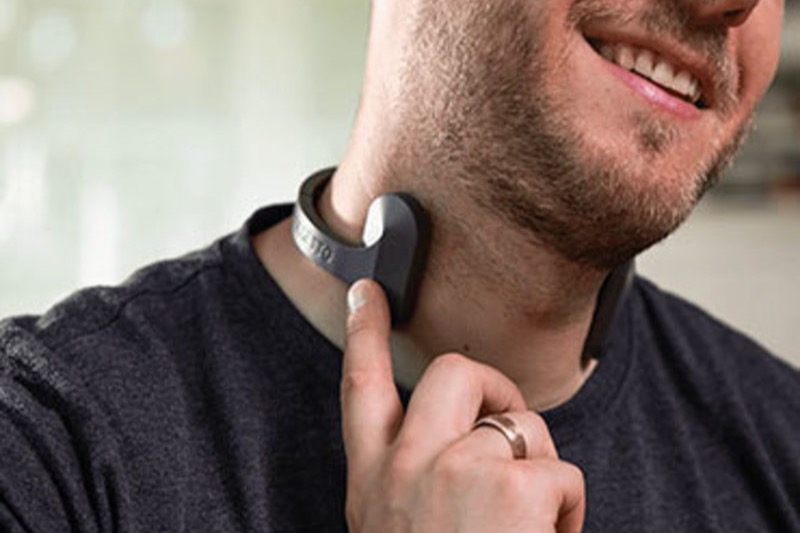
Two gadgets promise to be that switch, from opposite directions. The Moonbird is a handheld coach that paces your breathing until your body downshifts on its own. The Pulsetto is a neck collar that stimulates the vagus nerve directly with a gentle electrical current.
So in a straight Moonbird vs Pulsetto matchup, which one actually calms you down, and which is worth the money? We read more than 3,800 owner reviews between them, both brands’ 2025 studies, and the independent testing, then weighed the credible feedback over the hype.
The short answer: they both work for most people, but they suit very different buyers, and one is the safer bet if you’re only buying one. Here’s how they split.
Moonbird vs Pulsetto at a glance
| Feature | Moonbird | Pulsetto |
|---|---|---|
| Price | $199 list, often seen at $149 | Around $269 (Lite and FIT models) |
| How it works | Tactile breathing pacer, no electricity | Electrical vagus nerve stimulation |
| A session | 2 to 20 min, you breathe along | 4 to 10 min, hands-free |
| Consumables | None | Conductive gel every session |
| Evidence | 2025 peer-reviewed head-to-head | 2025 sham-controlled study |
| Biofeedback | Live heart rate and HRV in the app | Guided app presets, no biofeedback |
| Owner rating | 4.3 / 5 (~800 reviews) | 4.2 / 5 (3,000+ reviews) |
| Guarantee | 30-day money-back, 2-yr warranty | 30-day money-back, 2-yr warranty |
| Our score | 9.8 / 10 | 9.7 / 10 |
Two different bets on the same nerve
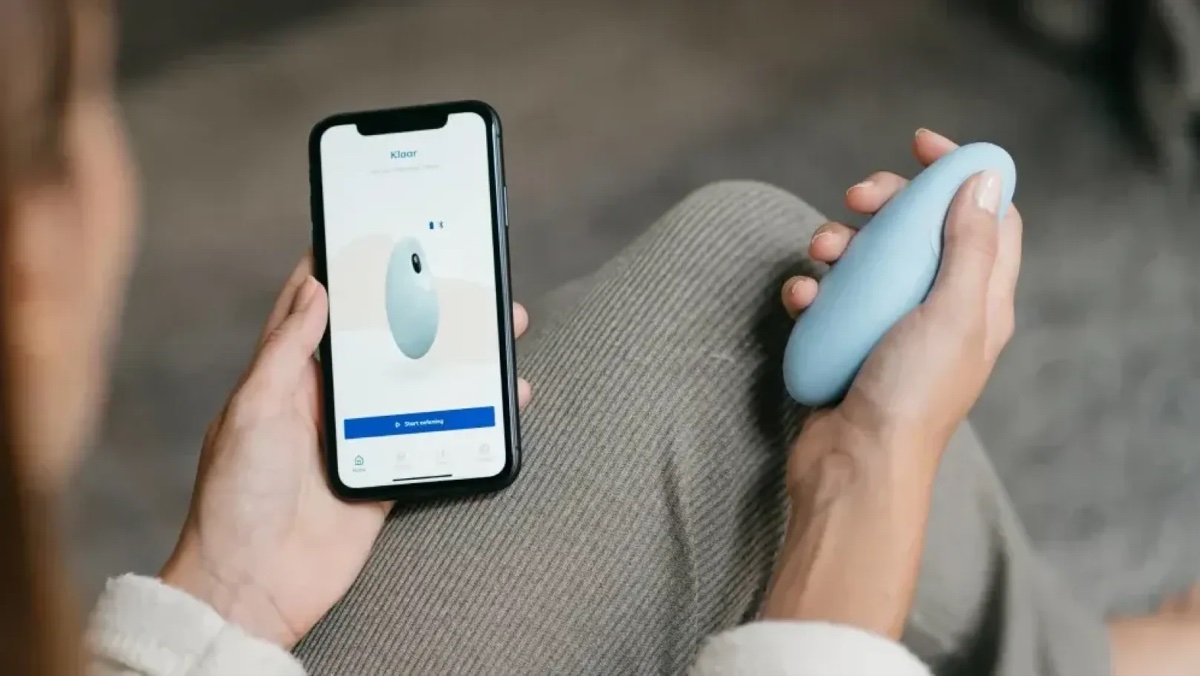
Both devices are chasing the same target: your vagus nerve, the main line of the “rest and digest” system that switches off the stress response. They just reach it in opposite ways.
The Moonbird works indirectly. It’s a smooth, palm-sized oval that physically swells and shrinks, and you breathe in as it grows and out as it falls. That paces you toward roughly six breaths a minute, the rate that reliably nudges the nervous system toward calm, and a thumb sensor shows your heart rate and HRV responding live in the app.
Pulsetto goes at the nerve directly. You add a little gel, settle the soft collar around your neck, pick a program, and it sends gentle electrical pulses for a few minutes.
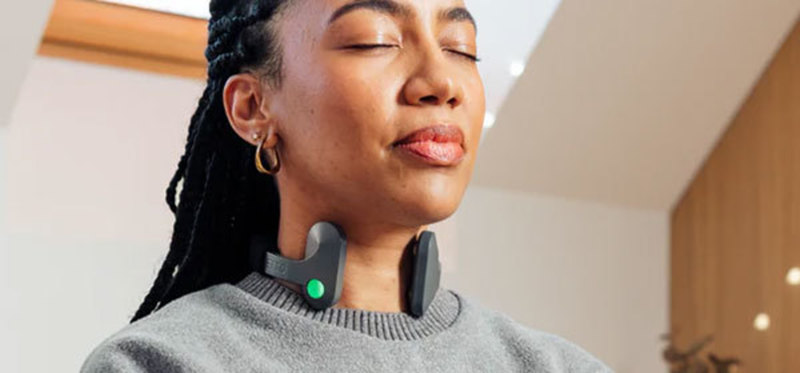
The practical difference is effort. With Moonbird you’re doing the breathing, gently guided; with Pulsetto you’re sitting still while the device does the work. One teaches you a skill you keep. The other is a session you keep repeating.
Neither is a medical device. Both are relaxation and sleep-support tools, and neither is FDA-cleared to treat any condition.
Round by round
Price and running costs
Round winner: MoonbirdMoonbird lists at $199 and often shows up around $149, with nothing else to buy. No gel, no cartridges, and the core experience needs no subscription.
Pulsetto starts higher at about $269, then keeps costing a little. You need conductive gel roughly every month, and some of the best guided programs sit behind a separate app subscription on top of the hardware.
Over a year, Moonbird is clearly the cheaper device to live with. This one isn’t close.
The evidence
Round result: TieHere’s the honest surprise: both have a real 2025 study, and both studies have limits.
Moonbird’s is a peer-reviewed head-to-head against a rival breathing trainer. Breathing rates dropped with both devices, the effect held on longer with Moonbird, and participants preferred it. The honest caveats: the trial was small, had no fake-device control group, and two of its authors are tied to Moonbird.
Pulsetto’s is sham-controlled, meaning some users wore an identical dummy device. Real sessions produced more alpha-wave activity and lower blood pressure than the sham, which is a genuine signal rather than a testimonial. It’s a company-linked study, so treat the effect as real for the group, not a promise for everyone.
Different strengths, similar caveats. Call it even.
Ease of use
Round winner: PulsettoIf you want the lowest-effort path, Pulsetto takes it. Sessions run about 4 to 10 minutes hands-free, and there’s nothing to learn. You sit, it works.
Moonbird asks you to participate. You breathe along with the device, which is easy but not passive, and some people would rather not have to do anything at all.
The catch on Pulsetto’s side is the gel and the collar placement, a small ritual each time. But for sheer “I don’t want to think about it,” passive stimulation wins.
Comfort and hassle
Round winner: Moonbird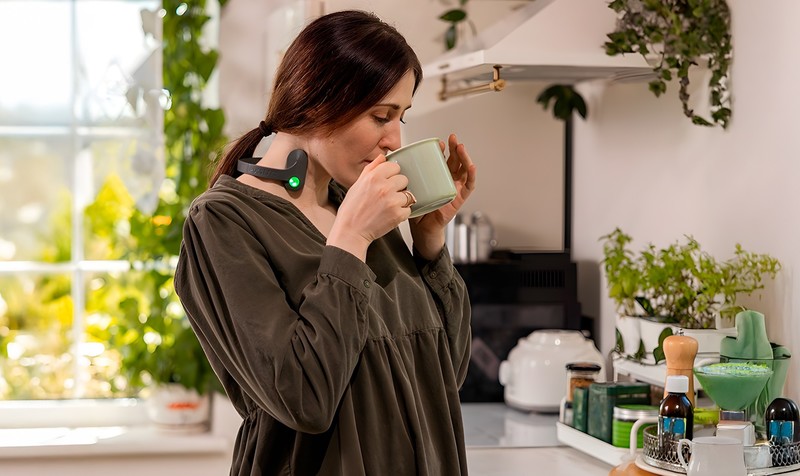
Moonbird is close to friction-free. No gel, no electricity, no neck fit to get right, nothing to reapply. You can use it eyes-closed in a dark bedroom, which is half its appeal for 2am wake-ups.
Pulsetto is a deliberate sit-down. The gel is a little messy, a minority of necks find the collar bulky, and a real subset of users say they feel nothing at all, which is normal for nerve stimulation but worth the 30-day trial window.
For everyday, low-fuss calm, Moonbird is the smoother ritual.
Everyday calm that sticks
Round winner: MoonbirdThe quiet advantage of Moonbird is that it teaches you something. Do it enough and slow breathing becomes a tool you carry without the device, on a plane or in a waiting room.
Pulsetto doesn’t transfer that way. When it helps, it helps in the moment, and you reach for it again next time.
Both are legitimate. But a skill you keep edges out a session you repeat, especially at the lower price.
What owners say

“At first, I was skeptical about the product. How could such a small device relieve stress or even make you feel better and be less anxious? Well, it does, really!”
“I was a skeptic. Five minutes on the stress setting and my shoulders drop. It has honestly improved my life.”
The pattern is similar for both: a wave of converted skeptics, plus a minority for whom it didn’t click. Moonbird averages 4.3 out of 5 across roughly 800 Trustpilot reviews, Pulsetto 4.2 out of 5 across more than 3,000. The consistent Moonbird gripe is the price; the consistent Pulsetto ones are the gel and the app upsells.
The honest scorecard
What we liked
- Moonbird: cheaper, no gel or subscription, live HRV biofeedback, teaches a lasting skill
- Moonbird: works eyes-closed in the dark with no wires or setup
- Pulsetto: fully passive, hands-off sessions with nothing to learn
- Pulsetto: a sham-controlled 2025 study and guided programs for sleep, stress and burnout
What we didn't
- Moonbird: you have to actively breathe along, so it isn't hands-off
- Moonbird: $199 is a lot next to a breathing app you already own
- Pulsetto: needs gel each session and locks some programs behind a subscription
- Pulsetto: a real minority feel nothing, and the collar suits some necks better than others
Who should buy which
Choose the Moonbird if you want a drug-free, no-electricity way to calm down, like the idea of watching your HRV settle in real time, and would rather build a breathing habit than depend on a gadget. It’s the cheaper, lower-hassle pick, and it’s our winner for most people.
Choose the Pulsetto if you’d rather do nothing while a wearable works, won’t reliably practice breathing on your own, and you’re comfortable with gel, a neck collar, and short set-and-sit sessions. For hands-off stimulation, it’s the better fit.
One reminder either way: these calm and support, they don’t cure. If stress or sleeplessness is genuinely disrupting your life, that’s a conversation for a professional, and anyone pregnant or living with a heart condition, epilepsy, or an implant should check with a doctor before trying vagus nerve stimulation.
Still weighing your options? Our full Moonbird review and Pulsetto review go deeper on each, and the best sleep gadgets of 2026 roundup shows where both land against the rest.
Check today's Moonbird price