
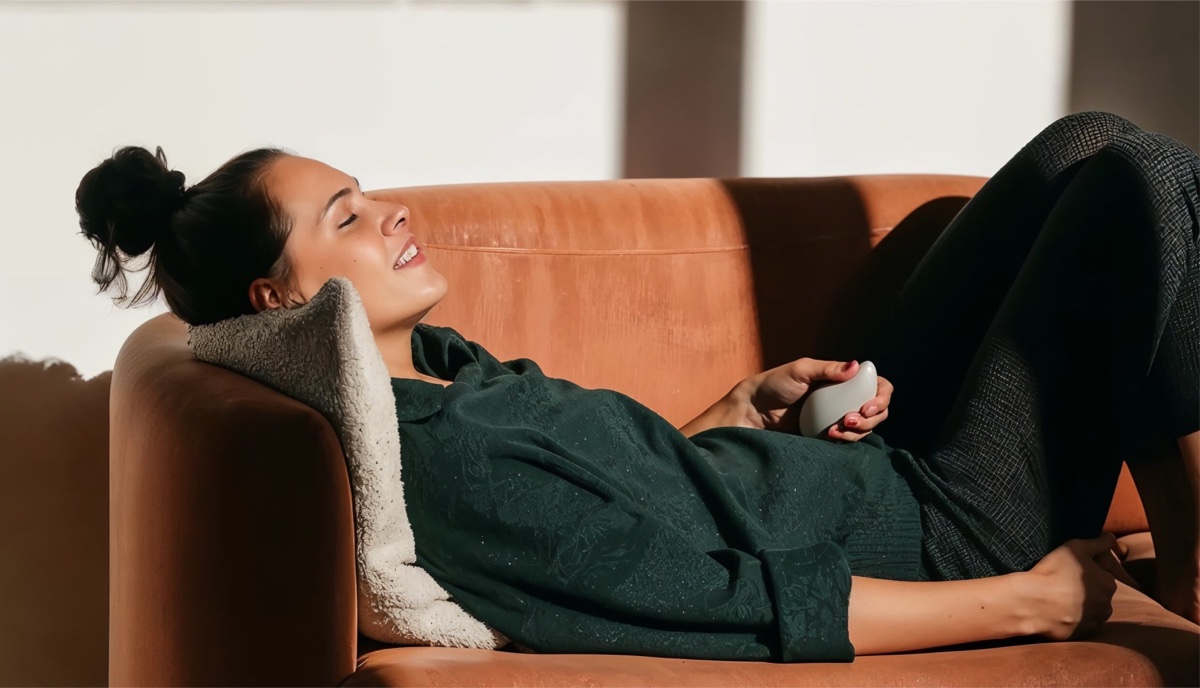
Breathwork devices can help with panic attacks, but as a pacing aid that steadies your breathing in the moment, not as a cure for panic disorder. That distinction is the whole point, and most of the internet blurs it.
When a panic attack hits, your breathing goes fast and shallow, and that’s not a side effect. It’s part of the engine driving the fear. A device that holds you at a slow, long-exhale rhythm gives you something to follow when thinking straight feels impossible.
This guide covers what the science actually supports, how the devices work, which ones do what, and the honest limits. It’s information, not medical advice, and severe or recurring panic is a conversation for a professional.
Why your breathing makes panic worse
During a panic attack, most people over-breathe, and that quietly feeds the spiral. Rapid, shallow breathing blows off too much carbon dioxide, which raises your blood pH and narrows the blood vessels to your brain. The result is dizziness, lightheadedness and tingling, the exact sensations that make an attack feel like an emergency.
Researchers studying panic disorder, including Meuret and Ritz, describe people with the condition as having a hypersensitive alarm for these shifts, so the body reacts harder than it should. Harvard’s Mass Eye and Ear explains the same low-CO2 mechanism behind the physical symptoms.
So the fix isn’t to breathe more. It’s to breathe slower, and to make the exhale long. That’s where both breathing techniques and the devices that pace them come in.
What slow breathing actually does
A long, slow exhale is the active ingredient. Stanford Medicine puts it plainly: exhalation activates the parasympathetic nervous system, which slows your heart rate and calms the body. Lengthen the out-breath and you’re pulling your own brake.
Breathing at about six breaths a minute adds a second effect. At that pace your heart rate, breathing and blood pressure fall into sync, which maximizes heart rate variability and vagus-nerve activity. Resonance-breathing research in journals like Frontiers in Public Health lays out that mechanism, and most people’s ideal rate sits somewhere between 4.5 and 7 breaths a minute.
The honest caveat: this calms arousal and takes the edge off, which is real and worth a lot. It is not the same as curing panic disorder.
The techniques worth knowing
The well-supported methods all share one feature, a longer exhale than inhale.
The physiological sigh is the fastest for an acute spike. Take a normal inhale through your nose, sneak in a second short inhale to top off your lungs, then let out a long, slow exhale through your mouth. A 2023 Stanford trial in Cell Reports Medicine, with 111 adults doing five minutes a day for a month, found this cyclic sighing improved mood and lowered resting breathing rate more than box breathing or even mindfulness meditation.
4-7-8 breathing inhale for four, hold for seven, exhale for eight, is the wind-down favorite, taught by Dr. Andrew Weil and described by the Cleveland Clinic as a relaxation tool. Box breathing (four counts in, hold, out, hold) gives an anxious mind a simple, even pattern to grip.
One thing to skip mid-panic: fast, forceful “hyperventilation”-style breathwork. It can leave you lightheaded, and for someone prone to panic it’s the wrong direction entirely.
So where do devices come in?
A device’s job is to pace you so you don’t have to count. Mid-panic, holding a rhythm in your head is genuinely hard, your attention is somewhere else. A pacer externalizes the job: you just follow the thing.
There are really three categories, and conflating them is where most articles go wrong.
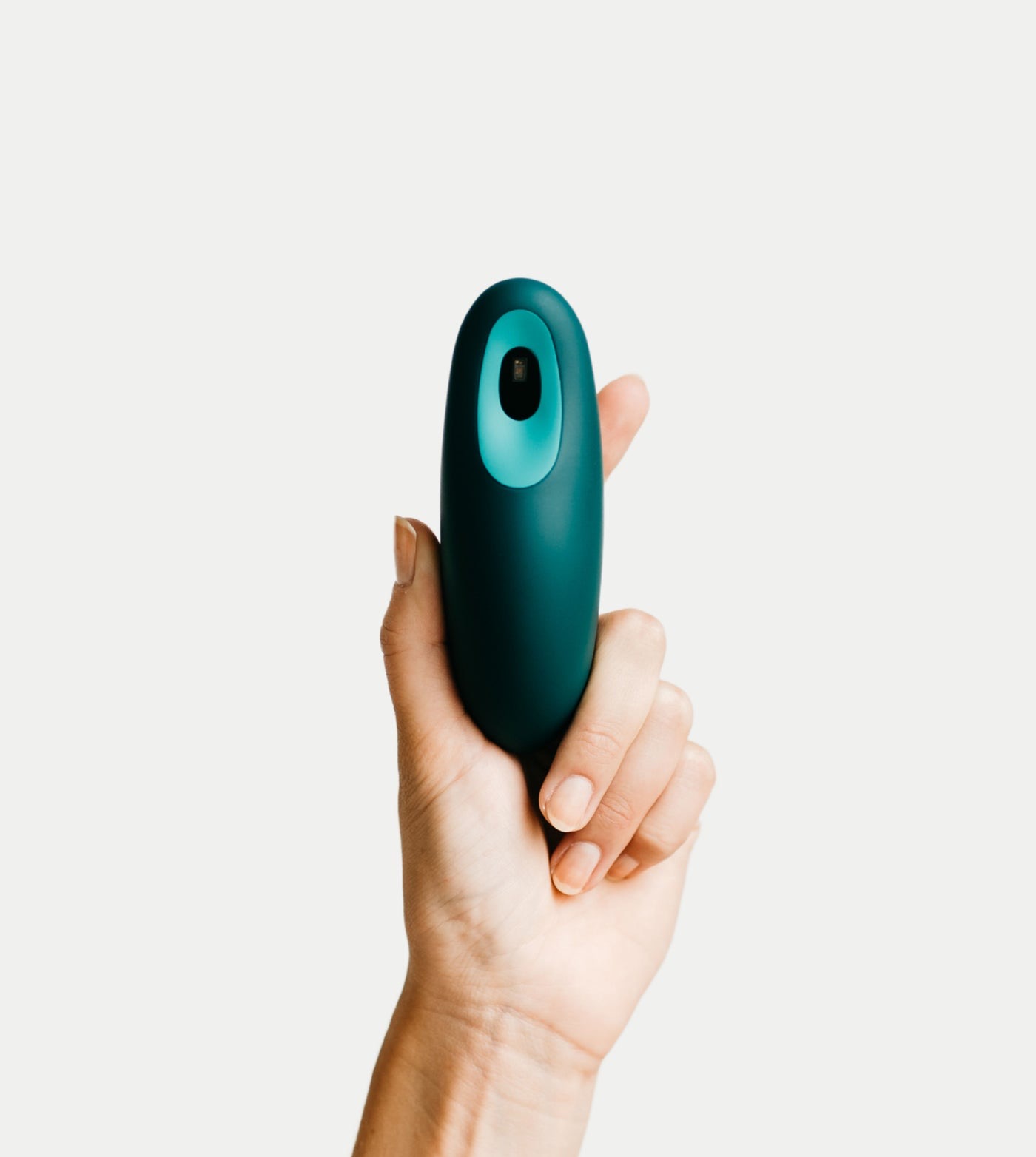
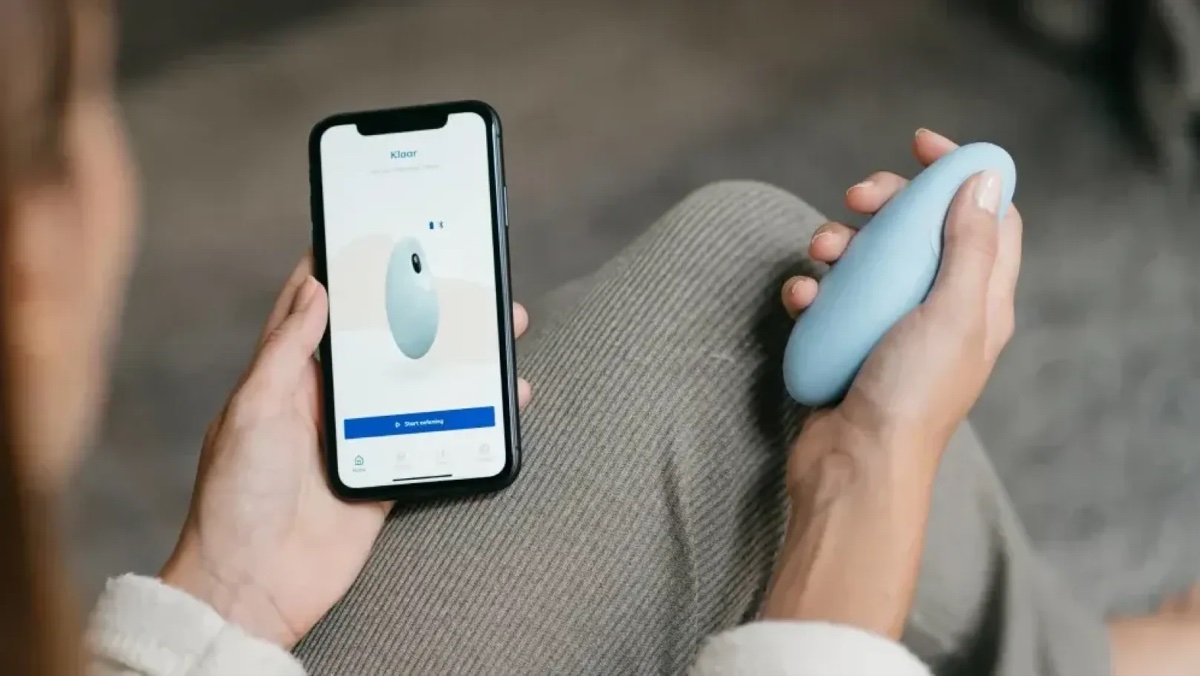
Breathing pacers with biofeedback. The Moonbird is the clearest example. It’s a handheld device that physically expands and contracts in your palm, so you breathe in as it swells and out as it shrinks, holding you near that six-breaths-a-minute pace with your eyes shut and no screen. It pairs with an app that shows your heart rate and heart rate variability in real time, so you can watch yourself calm down. At $199 it’s positioned for everyday stress, anxiety and sleep. Our Moonbird review digs into the 2025 study behind it and whether it’s worth the money, and how Moonbird works breaks down the tactile pacing.
Medical devices for panic specifically. Freespira is the one to know about, and the one that honest coverage can’t skip. It’s an FDA-cleared, prescription CO2-biofeedback system studied specifically for panic disorder, and it has the strongest panic-specific trial data of any device here. It’s a different category from a wellness pacer: medical, prescribed, and aimed at the disorder rather than the moment.
Everything else. Dodow is a bedside device that projects a light you breathe along with to fall asleep, a pacer, but built for sleep, not daytime panic. Apollo Neuro is a wearable that uses gentle vibration, not breath pacing at all, so it works on a different pathway. Knowing which is which saves you from buying the wrong tool.
What a device adds over just breathing
Be clear-eyed here, because the honest pitch is also the persuasive one.
A device buys you three things. It’s a physical anchor you can hold and focus on when your thoughts are sprinting. It externalizes the pacing, so you follow a rhythm instead of generating one. And with a biofeedback model like Moonbird, it makes the calming visible, which reinforces the habit between attacks.
What it doesn’t do is anything your own breath can’t. The same physiology is free. What you’re paying for is ease, consistency, and a focal point in the exact moments those are hardest to summon. For a lot of people, that’s the difference between “I know I should breathe” and actually doing it.
The honest limits, and when to get help
Breathwork and the devices that pace it are a self-help aid, not a treatment for panic disorder. The evidence is strongest for regular practice building resilience over time; grabbing a brand-new technique cold, in the middle of your first-ever attack, is harder and less reliable. Practice when you’re calm so the pattern is there when you need it.
A scoping review by Banushi and colleagues in 2023 looked at breathwork for clinically diagnosed anxiety, with panic disorder the most-studied condition, and found breathing-biofeedback approaches helped, with some gains holding at follow-up. The same authors flagged small samples and mixed methods, so the fair read is “promising and low-risk,” not “proven cure.”
Here’s the floor. A first-ever panic attack is worth a medical check to rule out other causes. If attacks are frequent, severe, or disrupting your work, sleep or relationships, that’s a reason to see a professional, because panic disorder is treatable, usually with cognitive behavioral therapy and sometimes medication. A breathing device belongs alongside that care, not instead of it.
The short version: a breathwork device won’t cure panic, but it can hand you a steady rhythm to hold onto when you need one most, and for many people that’s reason enough. If you want a pocket-sized pacer with heart-rate feedback, the Moonbird review is the place to start, Moonbird vs Pulsetto weighs paced breathing against nerve stimulation, and the best anxiety relief gadgets of 2026 covers the wider field.