Breathwork actually does work for anxiety, but in a smaller, more honest way than the wellness ads suggest: it reliably calms your body in the moment and modestly lowers anxiety over time, without curing anything. That gap between “real effect” and “miracle cure” is the whole story.
Everyone tells you to “just breathe” when you’re anxious, which is annoying precisely because it’s half true. The advice is real; the delivery is useless. So what does the actual science say, and which techniques are worth your five minutes?
This guide walks through what the studies found, which methods hold up, the limits nobody markets, and how to try it today.
Does breathwork actually work for anxiety?
The honest answer: yes, with a real but modest effect, and the strongest results come from slow, exhale-focused breathing done consistently. Breathwork won’t dissolve an anxiety disorder, but it measurably shifts your nervous system toward calm and takes the edge off day-to-day anxiety.
The best single piece of evidence is a 2023 meta-analysis in Scientific Reports that pooled randomized controlled trials of breathwork. Across the anxiety trials, breathwork beat control conditions with a small-to-medium effect (Hedges’ g of about -0.32), with similar reductions in stress and low mood. The authors were careful: most studies were short and at moderate risk of bias, so they urged treating the result as promising rather than proven.
That’s the frame to keep. It’s a genuine, low-cost tool with a real signal behind it, not a treatment.
The science, kept honest
Two separate claims hide inside “does breathwork work,” and they deserve different answers.
The first is whether slow breathing does anything to your body. That part is well established. Breathing at around six breaths a minute synchronizes your heart rate, breathing and blood-pressure rhythms, raises heart rate variability, and boosts parasympathetic (“rest and digest”) activity through the vagus nerve. Reviews of slow-paced breathing in journals like Neuroscience & Biobehavioral Reviews lay out that mechanism clearly. Your physiology genuinely downshifts.
The second is whether a breathing practice improves how you feel. The standout study here is a 2023 Stanford trial published in Cell Reports Medicine, led by researchers including Andrew Huberman and David Spiegel. Roughly 110 healthy adults did five minutes a day for a month of either mindfulness meditation or one of three breathwork styles.
The finding that got attention: the breathwork groups improved mood more than the meditation group, and the biggest winner was cyclic sighing, a double inhale followed by a long, slow exhale. The people whose breathing rate slowed the most saw the largest mood gains.
Be precise about what that buys you. It’s a short study on healthy adults measuring mood, not a trial curing clinical anxiety. It supports breathwork as a real relaxation and mood tool with a mechanism you can see on instruments. It doesn’t make it a treatment.
The techniques that actually hold up
Not all breathwork is equal, and the well-supported methods share one trait: a long, slow exhale.
Slow-paced or coherent breathing (about six breaths a minute) has the strongest physiological backing. Inhale for roughly five seconds, exhale for five to six, and repeat. This is the resonance-frequency breathing that maximizes HRV, and it’s the pattern most tied to a calmer nervous system.
Cyclic sighing (the physiological sigh) is the mood winner from the Stanford study. Take a normal inhale through the nose, sneak in a second short inhale to fully fill the lungs, then release a long, slow exhale through the mouth. It’s the fastest way to knock down an acute spike.
4-7-8 breathing inhale for four, hold for seven, exhale for eight, is another exhale-heavy method, popularized by Dr. Andrew Weil, that many people find good for winding down at night.
Box breathing (4-4-4-4) inhale, hold, exhale, hold, each for four counts, is the structured, equal-ratio option that gives an anxious mind a simple pattern to follow under pressure.
Fast, forceful “hyperventilation”-style breathwork is the outlier: it can leave you lightheaded, and it’s not the version the calming research points to. When in doubt, go slow and long on the exhale.
The honest limits
This is where most breathwork content goes quiet, so let’s be clear.
Breathwork is not a cure or a standalone treatment for an anxiety disorder. Cognitive behavioral therapy is the first-line psychological treatment, and medication is also evidence-based; a 2023 scoping review in Brain Sciences found much of the breathwork evidence small and short-term, and framed it as a complement, not a replacement for standard care.
The effects are small-to-moderate, not dramatic, and they can fade if you stop practicing. Much of the research is short-term and on healthy volunteers, so the honest read is “helpful, low-risk, worth doing,” not “fixes anxiety.”
And it has a floor. If anxiety regularly disrupts your work, sleep or relationships, if you have panic attacks, or if things are getting worse, that’s a conversation for a licensed professional. Breathwork belongs alongside that care, not instead of it.
Who should be cautious with breathwork
Most people can safely try the slow, exhale-focused techniques above, but a few groups should check with a doctor first or stick to gentle pacing. Panic disorder is the main one: breathwork safety guides flag brief hyperventilation-style breathing as a possible panic trigger for people who already have the condition, so skip fast or forceful styles and favor slow, long-exhale breathing instead.
People with active PTSD and frequent flashbacks should also go carefully with intense breathwork. Clinical-trial protocols studying breathwork for PTSD list it as something to approach cautiously, since it can heighten arousal rather than calm it, and a trauma-informed professional is the safer guide there.
Asthma, COPD and other respiratory conditions are the other flag. High-ventilation breathwork studies commonly exclude people with these conditions, since the extra demand on your airways can trigger wheezing or chest tightness. The slow, six-breaths-a-minute pacing in this guide is far gentler than that style, but if you have a diagnosed lung condition, run any new breathing practice past your doctor first.
None of this rules out breathwork for these groups outright. It means the fast, forceful styles need more caution than the slow, paced techniques this guide recommends, and a professional should be in the loop if you fall into one of them.
How to actually start
The instruction is short: pick one exhale-focused method and do a few minutes daily. Start with two to three minutes, build toward five, and treat consistency as the goal, not intensity. The Stanford benefit came from a month of small daily sessions, not one heroic one.
For acute moments, a single physiological sigh can take the edge off in under a minute, and it’s discreet enough to do at your desk or on a plane, which is exactly what our how to calm down fast before a flight guide leans on.
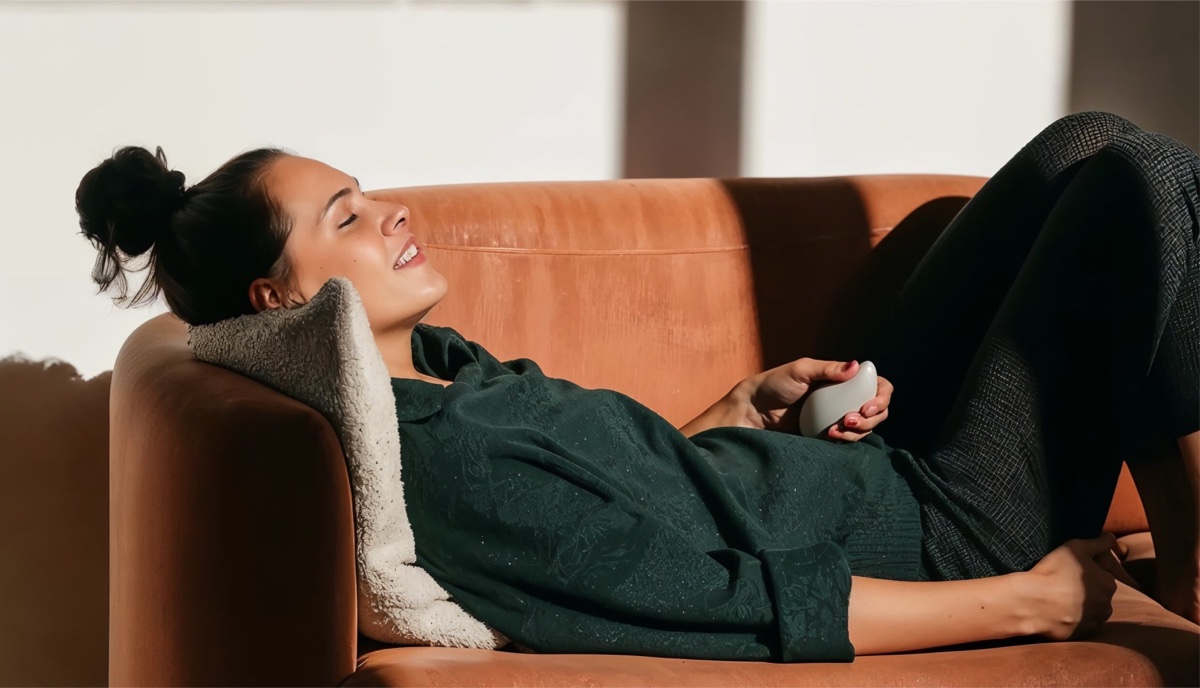
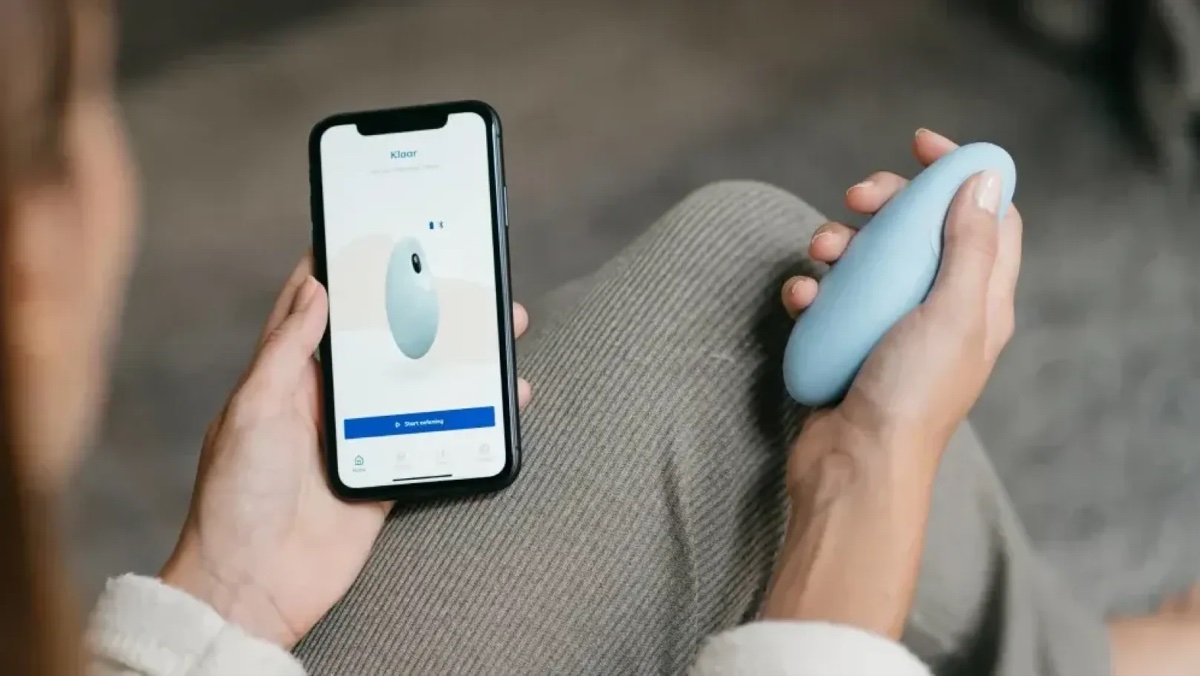
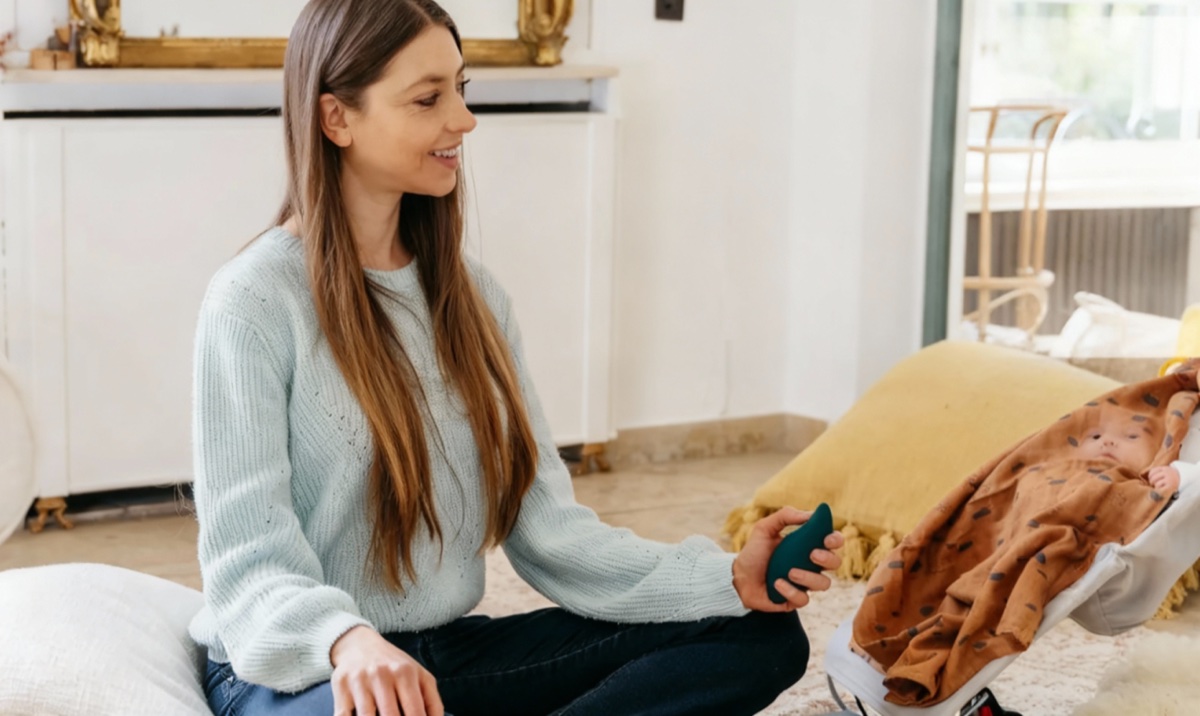
The hard part isn’t the technique, it’s remembering to do it and not losing count. That’s the whole reason paced-breathing tools exist. A device like the Moonbird physically expands and shrinks in your hand so you breathe in as it grows and out as it falls, holding you at that six-breaths-a-minute pace without a screen or a counter. Our Moonbird review breaks down the 2025 study behind it and whether it’s worth $199, and how Moonbird works explains the tactile pacing in detail. If you’d rather compare approaches, Moonbird vs Pulsetto weighs guided breathing against nerve stimulation, and the best sleep gadgets of 2026 roundup covers the wider field.
The short version: breathwork works for anxiety the way a good habit works, quietly, gradually, and only if you keep it up. Slow your breathing, lengthen the exhale, do it daily, and the calm is real, even if it was never going to be a cure.