
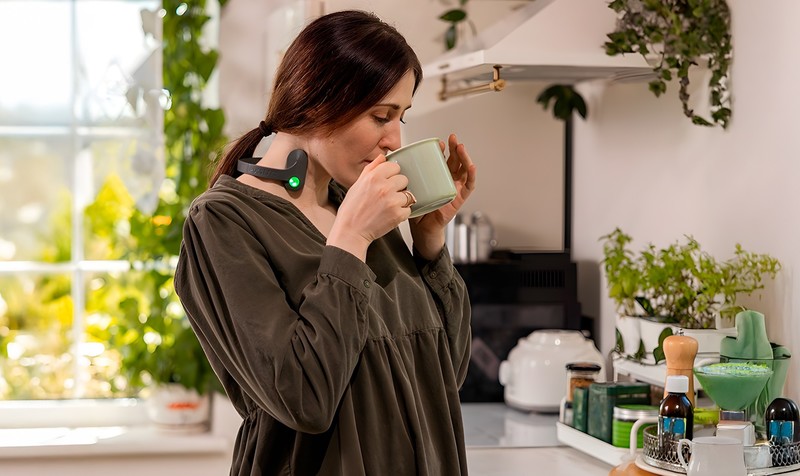
Somewhere between the sales page and a skeptical Reddit thread, you’re trying to get one straight answer: can a vagus nerve gadget actually do anything for your blood pressure?
So, can Pulsetto lower blood pressure? The honest answer is that the vagus nerve genuinely helps regulate blood pressure, and early research hints at small short-term effects, but Pulsetto is a relaxation device, not a treatment for high blood pressure. Those are two very different claims, and the marketing tends to blur them.
This guide separates the real physiology from the hype, walks through what the studies actually found, and is clear about the limits. For the full picture of the device itself, our complete Pulsetto review covers the sentiment, the price, and the day-to-day experience.
Can Pulsetto lower blood pressure?
Here’s the careful version. The vagus nerve is the main line of your parasympathetic, or rest-and-digest, system, and it plays a direct role in regulating heart rate and blood pressure. That part is settled physiology, not marketing.
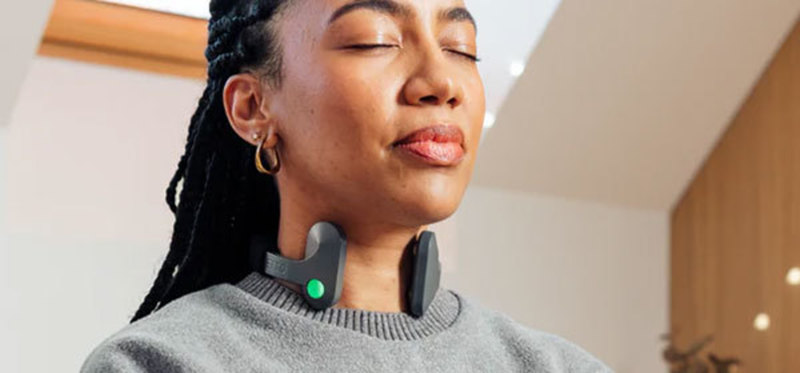
Where it gets murkier is whether one consumer device meaningfully changes your blood pressure. Early peer-reviewed research on neck-based vagus nerve stimulation, the method Pulsetto uses, has recorded small, short-term dips in a lab setting. One 2025 sham-controlled study using the Pulsetto device found a reduction in systolic blood pressure and more alpha-wave activity, a marker of a calmer brain state, versus a control.
That’s a genuine signal for the approach. It is not proof that Pulsetto lowers high blood pressure as a therapy. The effect was measured after a single session, in a small study, and nerve-stimulation results vary a lot from person to person.
So treat Pulsetto as a relaxation and stress-support tool with a plausible mechanism, not a blood-pressure treatment. If lower blood pressure is your actual goal, that’s a conversation with your doctor, not a gadget purchase.
What the science actually shows
This is where precision matters, because the research is more interesting and more limited than either the ads or the “it’s all a scam” takes suggest.
The physiology is solid. Your body controls blood pressure partly through the baroreflex: sensors in your arteries detect a rise in pressure and signal the vagus nerve to slow the heart, which brings pressure back down. Because the vagus nerve sits in that loop, stimulating it is a reasonable thing to study for cardiovascular effects.
The stimulation research is promising but preliminary. A 2025 meta-analysis pooling 18 trials of non-invasive vagus nerve stimulation reported average reductions of roughly 4 mmHg systolic and 2 mmHg diastolic. Encouraging, but the authors flagged serious limits: the studies disagreed with each other a lot, most had a high risk of bias, and, crucially, the effect shrank or vanished in older people and in those already taking blood-pressure medication, which is exactly the group most interested in the question.
The device-specific evidence is thin. The sham-controlled finding above tests the neck-stimulation method, and it’s an acute, single-session result. Pulsetto’s own 4-week study is company-run and open-label, which is prone to the placebo effect. Longer-term, real-world blood-pressure data on the device simply doesn’t exist yet.
Put simply, the mechanism is real, the early numbers are small, and the strongest effects show up in healthy volunteers rather than in people with hypertension. Our guide on whether vagus nerve stimulators really work walks the wider evidence ladder for the whole device category.
What Pulsetto actually claims
What Pulsetto markets is more careful than the forum chatter implies.
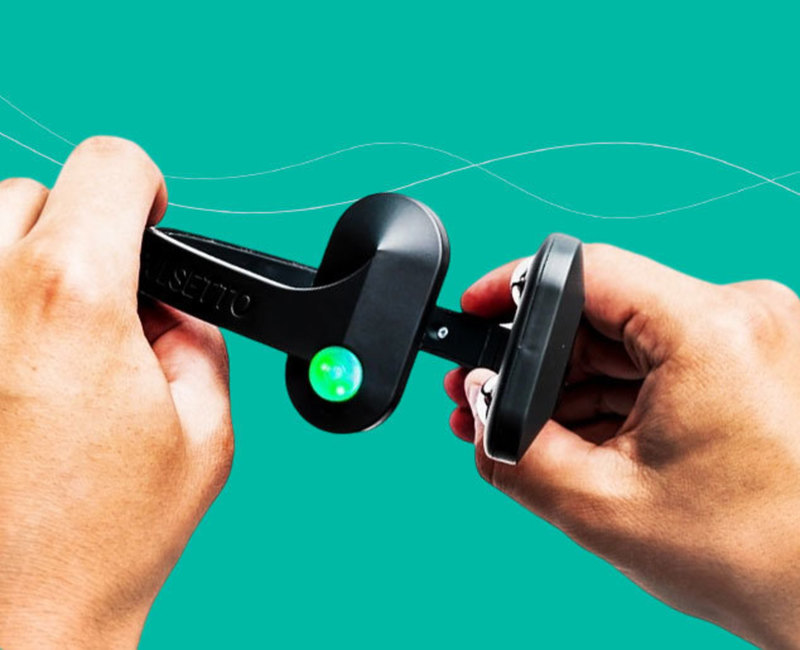
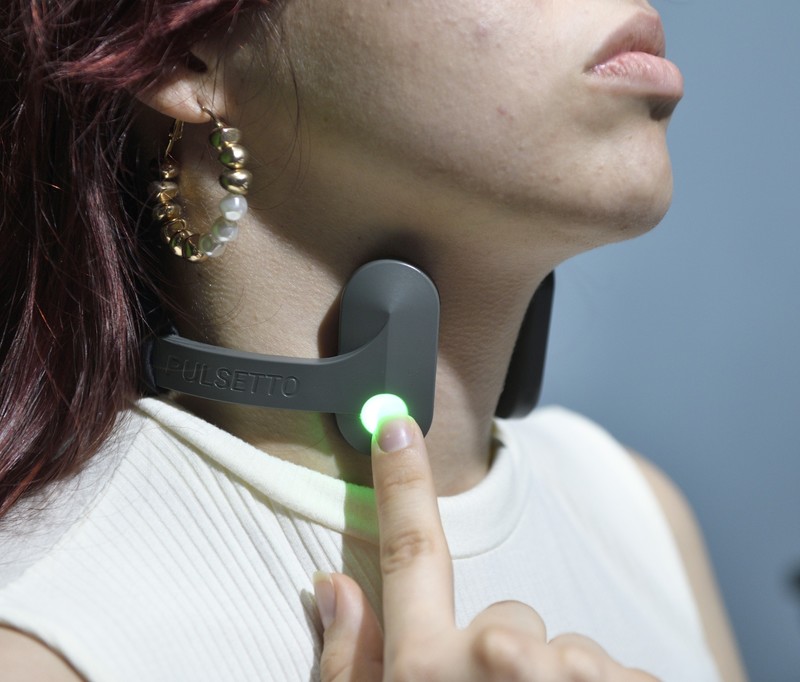
Pulsetto’s headline claims are about stress, anxiety, sleep, and heart-rate variability, not blood pressure. It’s a soft neck collar, you add conductive gel, pick a program in the app, and it runs a 4 to 10 minute session. It lists at around $269, frequently discounted, with a 30-day money-back window.
The blood-pressure angle appears only as a cited independent study, not as a product promise, and Pulsetto’s labeling explicitly says it is not intended to diagnose, treat, cure, or prevent any disease. That’s the right frame to keep. If a page tells you a neck gadget will fix your hypertension, that’s a claim neither Pulsetto nor the science supports.
For most buyers, the useful question isn’t “will it lower my blood pressure” but “will it help me feel calmer,” and on that our guide on whether Pulsetto really works lays out the honest answer.
The safety part you shouldn’t skip
If you have high blood pressure or any heart condition, read this before anything else. Talk to your doctor first, don’t stop or change prescribed medication, and don’t rely on a wellness device to manage blood pressure.
Pulsetto states its safety and effectiveness have not been evaluated in people with uncontrolled hypertension, low blood pressure, an irregular or slow heartbeat, or existing cardiovascular disease. And because it sends a current near your neck, some people should skip it entirely, including anyone with a pacemaker or implanted electronic device, metal implanted near the neck, or who is pregnant.
Our guide on who should avoid vagus nerve stimulation devices covers each group in detail. Used as intended, by a healthy adult who’s cleared to use it, it’s a low-risk relaxation ritual. As a blood-pressure fix, it’s the wrong tool.
The bottom line
Can Pulsetto lower blood pressure? The vagus nerve does help regulate it, and early stimulation research shows small short-term dips, so the idea isn’t nonsense. But the evidence is preliminary, weakest in the people who actually have high blood pressure, and Pulsetto is sold as a stress and sleep aid, not a medical treatment.
If calmer evenings and easier wind-downs are what you’re after, that’s the honest case for it, and much of the same effect is free, as our guide to stimulating the vagus nerve naturally explains. For the complete rundown of the device, its cost, and who it suits, start with our full Pulsetto review, and keep your blood pressure a matter for you and your doctor.