

Vagus nerve stimulation devices are marketed as calm-in-a-collar for almost everyone, but a real list of people should avoid them, and the marketing rarely leads with it. If you’re weighing one of these gadgets, this is the part worth reading before the reviews.
The short answer up front: skip an at-home device, or clear it with a doctor first, if you have an implanted electronic device, a serious heart-rhythm condition, a seizure or fainting history, metal implanted near your neck, or if you’re pregnant or under 18.
Below is who each of those warnings is really for, why it matters, and how the consumer gadgets differ from the medical version people confuse them with.
The absolute no-list: who should never use one
Start with the hard stops, the situations where the answer is no rather than “ask your doctor.” These come straight from manufacturer contraindication pages and clinical VNS safety guidance.
Anyone with an implanted electronic device should not use one. That means a pacemaker, a defibrillator, a cochlear implant, a deep-brain or other neurostimulator, or an existing surgical vagus nerve implant. The device puts current near your neck and chest, and that current can interfere with how the implant works.
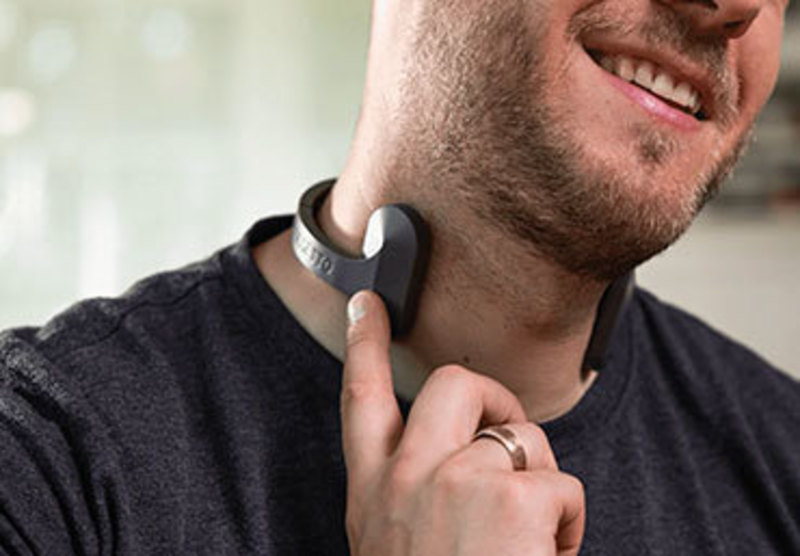
Implanted metal near the neck is on the list too. Stents, bone plates, or screws in that area can conduct or distort the current, so brands like Pulsetto flag it as an absolute do-not-use.
Pregnancy is a standard exclusion. Safety and effectiveness haven’t been established for pregnant users, so it stays off the table rather than in a “use carefully” gray zone. Cleveland Clinic lists pregnancy among the situations where VNS isn’t recommended.
Age matters. Consumer devices such as Pulsetto are not intended for anyone under 18, because they simply weren’t evaluated in that group.
The “ask your doctor first” list
The next group isn’t a flat no, but it’s a real “get cleared before you buy.” Honestly, this is the section most buyers skim past, and it’s the one that matters most if any of it describes you.
Heart conditions. The vagus nerve helps set your heart rate, so an arrhythmia, bradycardia, a prolonged-QT reading, prior cardiac disease, or blood pressure that swings hard all warrant a doctor’s sign-off first. Stimulating an autonomic nerve when your heart rhythm is already unstable isn’t a place to experiment.
A seizure history. This one confuses people, because implanted VNS is used to treat drug-resistant epilepsy. The catch is that consumer neck devices were never validated in people with seizures, so a seizure history belongs in the “clear it first” column, not the “it’ll help” one.
A history of fainting or vasovagal syncope. The vagus nerve is the exact pathway behind vasovagal fainting, so deliberately stimulating it can trigger the same drop. If you’re someone who faints easily, raise it with your doctor.
Using a TENS unit or muscle stimulator at the same time. Running two electrical-stimulation devices together can interact unpredictably, so don’t stack them.
Manufacturer pages also flag a longer tail of cautions worth a mention: a nickel allergy (the contacts contain nickel), an active neck infection, recent head trauma, or respiratory conditions like asthma or sleep apnea. When in doubt, the contraindication page for your specific device is the thing to read, not a general blog.
What the side effects actually are
For external devices the reported side effects are usually mild and short-lived, which is the fair thing to say. A pooled analysis of transcutaneous VNS studies found the most common issue was skin irritation where the electrode sits: redness, itching, or a stinging tingle that fades after you stop.
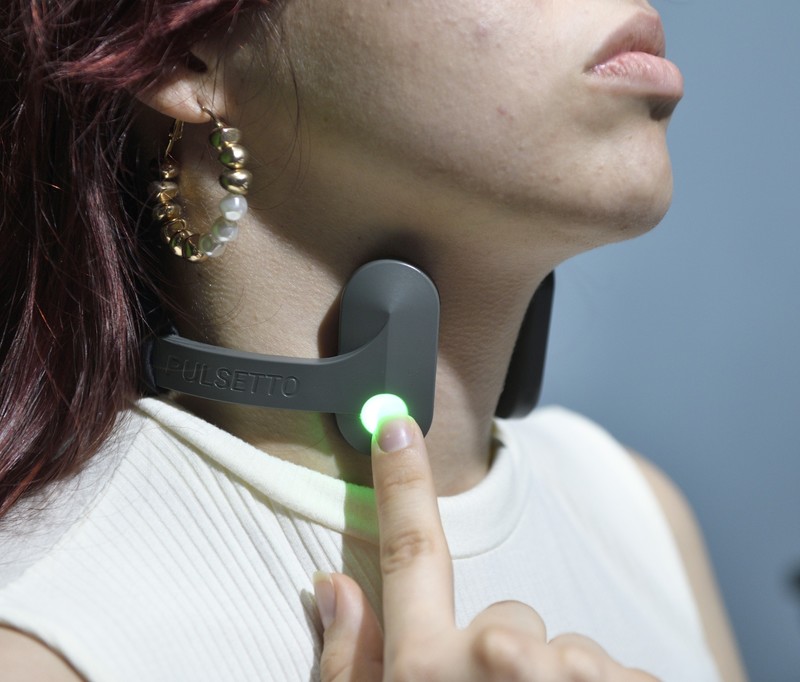
After that come headache, dizziness, nausea, and neck or facial muscle twitching. Because the vagus nerve branches near your voice box, some users notice a hoarse voice, a throat tickle, or a cough during a session. A meta-analysis put headache at roughly 3.6% of users, so these aren’t common, but they’re real.
None of that is meant to scare you off a low setting. It’s meant to set the expectation honestly: gentle, usually harmless, occasionally annoying, and a reason to start slow.
Why the consumer version isn’t the medical one
Here’s the distinction the marketing blurs, and it’s the most useful thing to understand before you buy. There are two very different things sharing the name “vagus nerve stimulation.”
Implanted VNS is regulated medicine. A surgeon places a pulse generator that wraps the nerve, and it’s FDA-approved for drug-resistant epilepsy, treatment-resistant depression, and stroke rehab, backed by a rigorous evidence base.
The neck and ear gadgets you order online are a different category. They’re sold as general wellness products, so they don’t have to prove to the FDA that they work, and large trials confirming they meaningfully activate the vagus nerve are still thin. Cleveland Clinic has noted that external devices can’t match the frequencies and voltages of the implanted kind.
That doesn’t make them useless. The early research on relaxation and sleep support is genuinely promising. It just means you should treat one as a calming gadget with a sensible safety list, not as medical treatment, and keep your expectations grounded.
So should you try one?
If none of the warnings above apply to you, an at-home device is a low-risk thing to experiment with for stress and sleep, especially if you start on the lowest intensity and build up. If any of them do apply, the smart move is a quick conversation with your doctor before you spend the money.
Our full Pulsetto review walks through how the most popular consumer neck device actually performs, what the sessions feel like, and whether it’s worth the price, once you’ve confirmed you’re clear to use it.
For the wider picture, our guide to vagus nerve stimulation devices sorts the whole field into tiers, and do vagus nerve stimulators really work digs into the evidence. If you’re comparing models, the best vagus nerve stimulator roundup lines up the top picks.
This guide is general information, not medical advice. For anything on the lists above, your own doctor is the right call.