
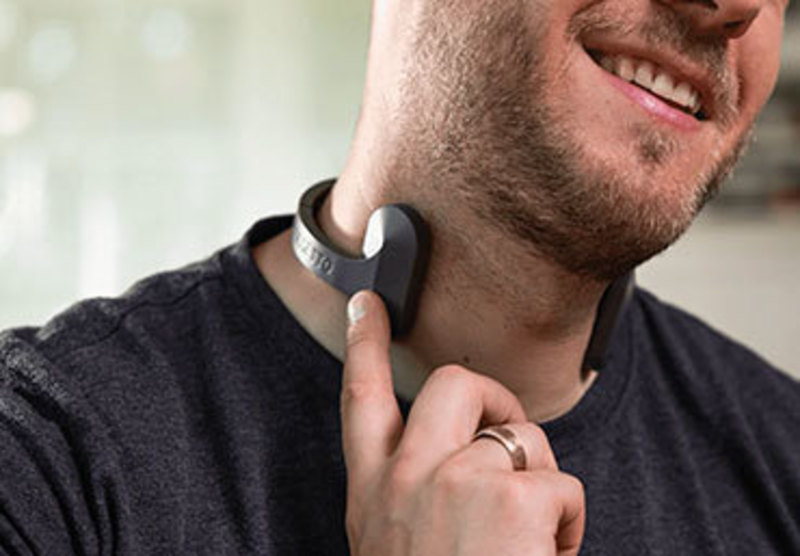
Before you spend $269 on a Pulsetto, you want one straight answer: does the thing actually do anything, or is it clever marketing wrapped around a soft collar?
So, does Pulsetto really work? The honest version has two halves. For a lot of people it works as a genuine relaxation aid, the kind you feel by the end of a session. As a proven medical treatment, the evidence is thinner than the ads suggest.
This guide separates what’s real from what’s hype, and then covers the part most sales pages skip: who should not use a Pulsetto at all. Our full Pulsetto review digs into the sentiment and the day-to-day experience.
Does Pulsetto really work?
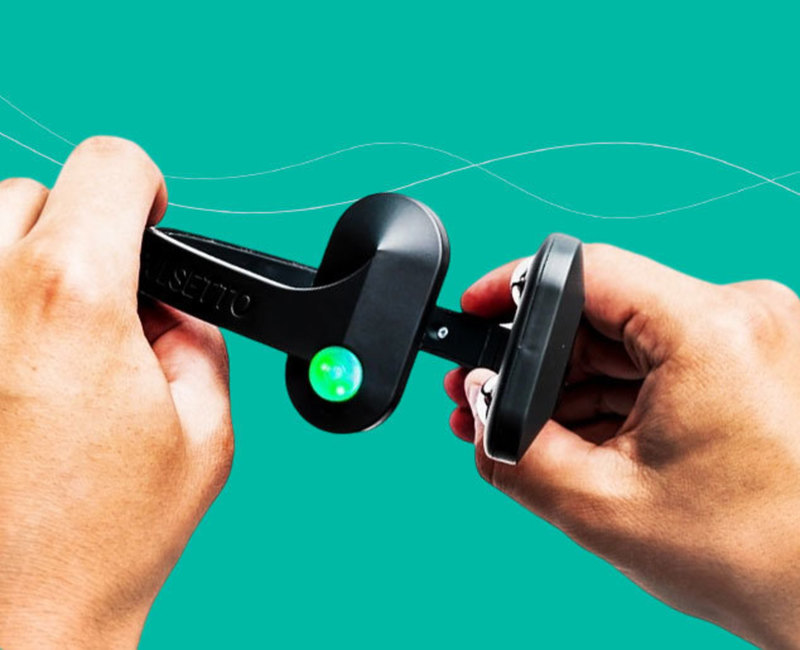
For many people, yes, as a calming tool. Pulsetto is a soft collar that sends gentle electrical pulses toward the vagus nerve, the wiring that shifts your body out of “wired and tense” and into “rest and digest.” Sessions run 4 to 10 minutes, and most owners do one or two a day.
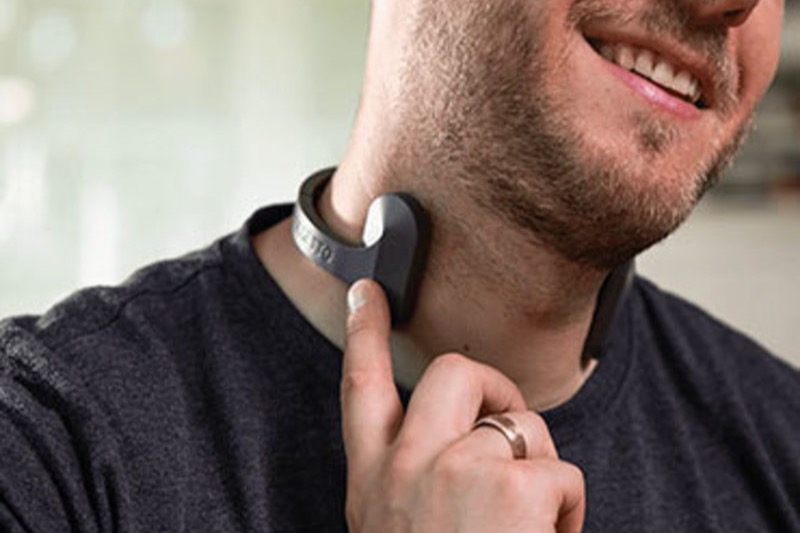
The felt effect is the part that’s hard to argue with. Across more than 3,000 reviews, Pulsetto averages about 4.0 to 4.2 stars, and the steady themes are easier wind-down at night and a quieter head in stressful moments. Plenty of users say they feel heavier-limbed and calmer within one session.
Here’s the nuance. “Works” for a relaxation device mostly means it reliably nudges you toward calm, and on that count it does, for most people. What it isn’t is a guaranteed switch. A real minority feel little or nothing, which is completely normal for nerve stimulation and part of why the 30-day return window matters.
What the science actually shows
This is where you want precision, because the marketing blurs three very different things.
First, general vagus nerve science. Non-invasive vagus nerve stimulation has real peer-reviewed support for modest, short-term effects on relaxation, heart-rate variability, and stress in some placebo-controlled trials. That’s the promising backdrop. It doesn’t automatically transfer to one specific device at its specific settings.
Second, Pulsetto’s own headline numbers. The brand cites a 4-week study reporting big drops in stress and better sleep. Read it for what it is: a small, company-run, open-label study with no placebo group, using mostly self-reported scores. That design is very prone to the placebo effect, so treat those figures as encouraging in-house data, not independent proof.
Third, the alpha-wave and blood-pressure finding people quote. That comes from research on neck-based vagus stimulation in general, measured after a single use, and the calming brain-wave shift was described as a trend rather than a clean result. It’s a reasonable signal for the approach, not a stamp of approval for the Pulsetto device itself.
Put simply: the mechanism is legitimate and the short-term calming is believable, but no independent, placebo-controlled trial has proven the Pulsetto device specifically. For the wider category, our guide on whether vagus nerve stimulators really work walks the full evidence ladder.
Who should not use a Pulsetto?
This is the section that actually protects you, and it’s worth reading before you buy. Because Pulsetto sends a current near your neck, some people should skip it entirely and others should get a doctor’s sign-off first.
Do not use Pulsetto if you have any of these. These are firm, not cautious:
- A pacemaker or any active implanted electronic device (including implanted hearing devices)
- A metal implant near the neck, such as a stent or bone plate or screws
- Another electrical stimulation device in use at the same time, like a TENS or muscle stimulator
Talk to your doctor before your first session if any of these apply. Pulsetto hasn’t been studied in these groups, so a quick clinician check is the smart move:
- You’re pregnant or under 18
- You have a heart condition, such as uncontrolled blood pressure, an irregular heartbeat, or a recent cardiac event
- You have a history of epilepsy or seizures, brain aneurysm, or head trauma
- You have active cancer or are in remission
- You’ve had vagus nerve surgery, or you have a nickel allergy or a skin condition on the neck
None of this means the device is unsafe for the general adult who’s cleared to use it. It means a nerve-stimulation tool deserves the same respect you’d give any device that runs a current, so match it to your own health first. Our companion guide on who should avoid vagus nerve stimulation devices goes deeper on each group.
What to expect if you’re a good fit
If you’re in the clear and you buy it, set the expectation right. Sessions are short, 4 to 10 minutes, and you’ll likely feel the calm effect quickly, often in the first sitting. The bigger sleep and stress benefits, when they land, build over two to four weeks of near-daily use.
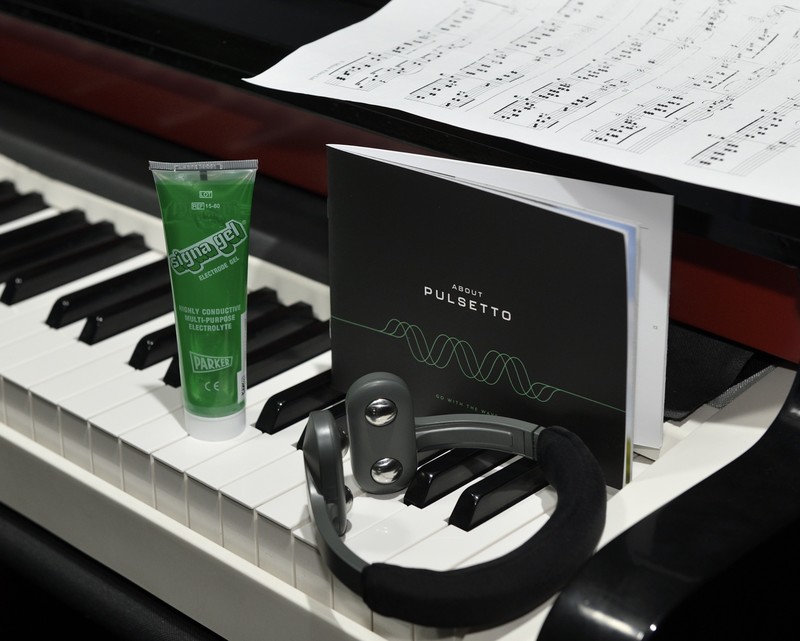
Two practical notes the checkout page underplays. You need conductive gel for every session, a cheap but recurring purchase, so this is a sit-down ritual rather than a wear-it-all-day gadget. And the best guided programs sit behind a separate app subscription (around $129 a year) on top of the $269 hardware. Neither is a dealbreaker, but budget for both so the value math stays honest. We break the full cost down in is Pulsetto worth it.
The bottom line
Does Pulsetto really work? As a relaxation and sleep-support tool for the right person, most owners would say yes, and the 4-plus-star base across thousands of reviews backs that up. Just hold the science honestly: the mechanism is real, the short-term calm is believable, and the device-specific proof is still thin, so it’s a wellness ritual, not a medical treatment.
If you don’t have a pacemaker, a neck implant, or a condition on the list above, and you’ll actually use it a few minutes most days, it’s a low-risk thing to try thanks to the 30-day guarantee. Start with our complete Pulsetto review for the full sentiment picture, then see where it lands among the best vagus nerve stimulators.