

Vagus nerve devices sell you on calm, so it feels like more sessions should mean more of it. That’s exactly the trap.
Can you overdo vagus nerve stimulation? Yes. Doing more than your body needs won’t usually calm you faster, and past a point it nudges you the other way, toward a scratchy throat, a hoarse voice, or a strangely wired feeling. The good news is that with a consumer neck device the effects of overdoing it are almost always mild and temporary.
This guide covers what “too much” actually looks like, the overuse signs worth knowing, and a sane daily routine. Our full Pulsetto review has the day-to-day experience if you’re weighing the most popular device.
Can you overdo vagus nerve stimulation?
Yes, but context matters. “Overdoing it” means stimulating too long, too often, or at too high an intensity before your body has adjusted. With a home neck device the usual price is temporary irritation, not lasting damage. The serious nerve-damage findings come from clinical settings at high frequencies, which consumer devices don’t reach.
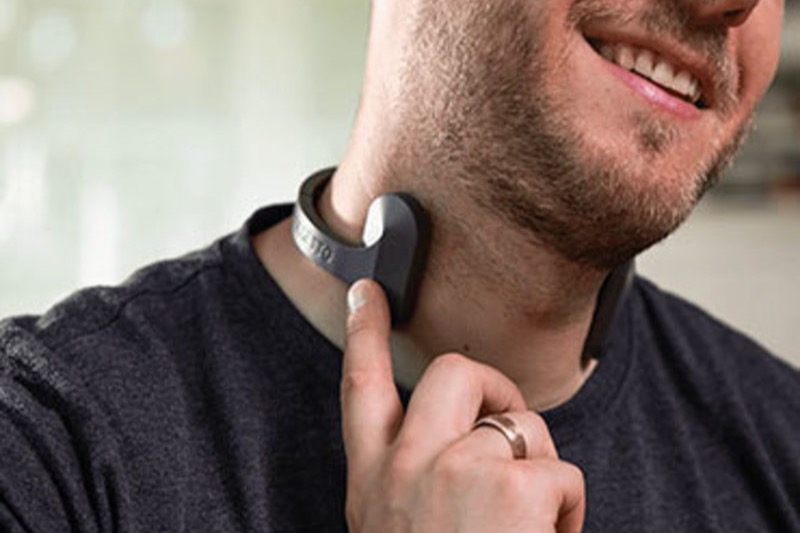
Here’s the honest frame. Vagus nerve stimulation works by shifting you toward “rest and digest,” and that shift has a comfortable dose. Below it you feel calmer. Above it you’re just poking a nerve near your voice box and throat more than it wants, which is where the cough and hoarseness come from.
So the answer isn’t “never do much.” It’s that more sessions rarely add more calm, and the extra ones carry all the downside and little of the upside.
Signs you’re overstimulating your vagus nerve
Your body tells you quickly. Because the vagus runs right past your larynx and throat, that’s where the first complaints show up. Watch for these:
- Hoarseness or a change in your voice during or after a session
- A dry, tickly cough or a tight, sore throat
- Neck soreness or tenderness where the electrodes sat
- Lightheadedness, nausea, or a headache
- Feeling jittery or wired instead of relaxed, or trouble falling asleep after an evening session
None of these are subtle, and most fade within a day once you stop. The one pattern worth taking seriously is anything that doesn’t settle: persistent hoarseness, trouble swallowing, or breathing that feels off deserves a call to your doctor, not another session.
How much is too much? A safe daily routine
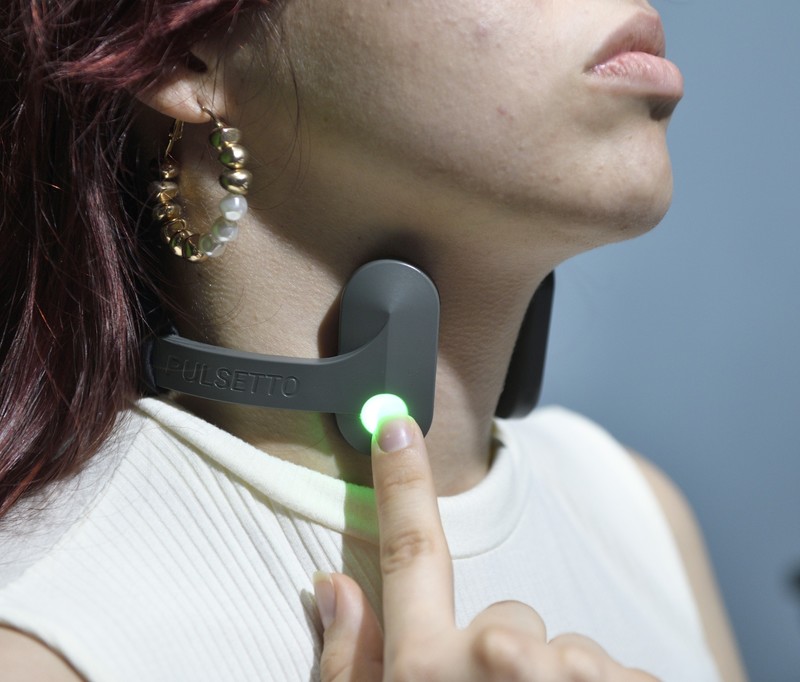
Start with the manufacturer’s own numbers, then be more conservative than that. Pulsetto advises 2 to 3 sessions a day with a 45 to 60 minute break between them, and it sets no hard daily limit. Treat that as the ceiling.
For a beginner, a smarter plan looks like this:
- Week one: one session a day, about 5 minutes, at a comfortable intensity you’d call “gentle,” not “strong.”
- Add a minute or a second daily session only once you know you tolerate it well.
- Keep single sessions in the 4 to 10 minute range. Longer doesn’t deepen the effect.
- Leave real gaps between sessions so the nerve isn’t stimulated back-to-back.
The intensity dial matters as much as the clock. A quieter setting for a few minutes usually beats a strong one that leaves your throat raw. If you want the full cost-and-value picture before you commit to a routine, is Pulsetto worth it breaks down the hardware, the gel, and the app.
Who should be extra careful
The general adult who’s cleared to use these devices has a lot of room before “too much” becomes a real concern. Some people don’t have that room. Be cautious, and ideally get a doctor’s sign-off first, if you have a heart-rhythm condition, a swallowing disorder, an implant such as a pacemaker, or you’re pregnant or on heart, blood-pressure, or psychiatric medication.

For these groups the risk isn’t “one extra session,” it’s that stimulation can interact with an existing condition, so a slow, supervised start beats guessing. Our guide on who should avoid vagus nerve stimulation devices walks through each group in detail.
What to do if you think you overdid it
Stop for the day. That’s genuinely most of the answer. Skip the next session, sip some water, and give your throat and neck a rest, and the hoarseness or scratchy feeling usually clears on its own within a day or so.
When you go back, dial the intensity down and shorten the session. Then rebuild slowly. Honestly, the people who get the most out of these devices tend to be the ones doing less than they think they should, not more.
See a clinician if hoarseness lingers, swallowing feels difficult, you notice an irregular heartbeat, or breathing feels affected. Those are the signals to get checked rather than tinker with settings. For the wider question of whether the whole category delivers, do vagus nerve stimulators really work lays out the evidence.
The bottom line
Can you overdo vagus nerve stimulation? Yes, and the tell is that calm turns into throat irritation, hoarseness, or a wired feeling. With a consumer device that’s a comfort problem you fix by doing less, not a danger for most healthy adults.
Keep sessions short, space them out, start gentle, and let the effect build over weeks rather than chasing it in a single afternoon. If you want the full picture on the most-reviewed device before you set a routine, start with our complete Pulsetto review.