
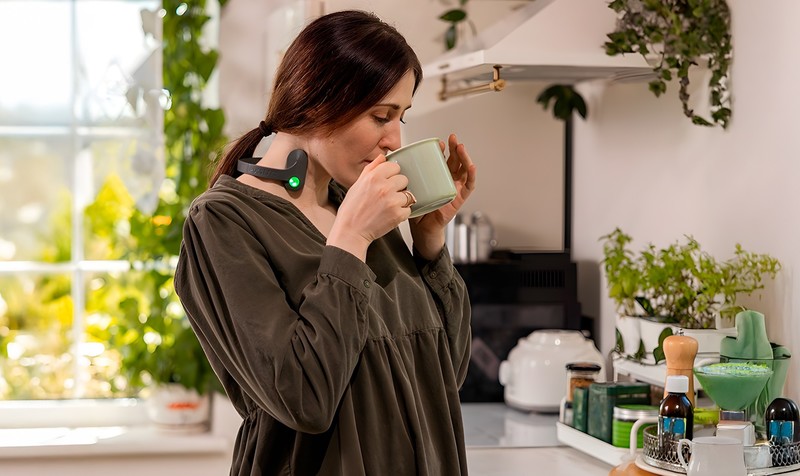
Whether Pulsetto is worth it comes down to one honest question: will you actually use it, and are you the kind of person whose nervous system responds?
At $269, plus gel and an optional app subscription, it’s not an impulse buy. So before you spend the money, here’s a straight look at what you’re paying for, whether it’s legit, and who should skip it.
The short answer: for someone with real, ongoing stress who’ll do a few minutes most days, it’s worth it. For someone hunting a passive, guaranteed fix, it isn’t.
Is Pulsetto worth it?
For the right person, yes. If stress or trouble switching off at night is a genuine problem and you’ll sit for a 5-minute session most days, Pulsetto earns its $269 because it’s one of the few devices in this category with a real study behind it and a large, positive owner base.
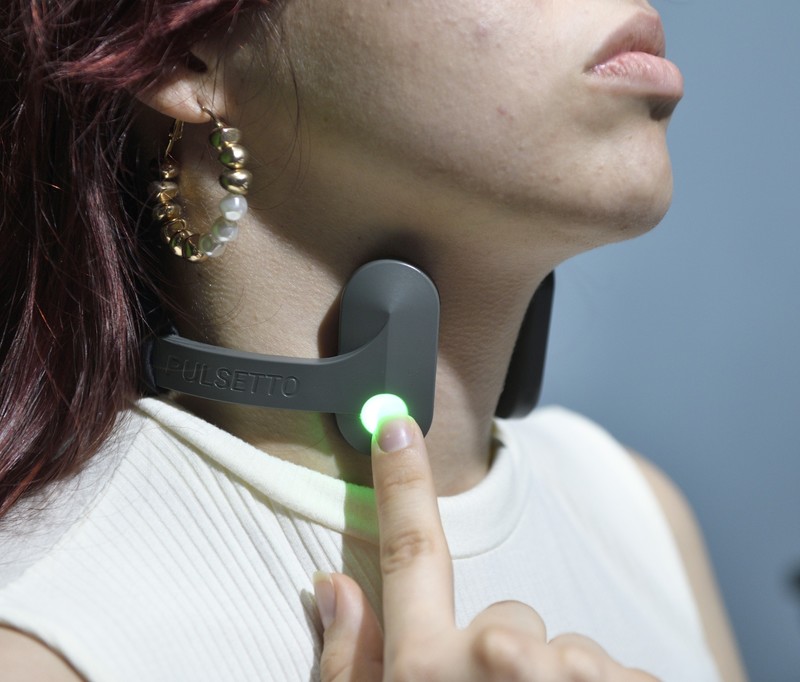
Pulsetto is a soft collar that sends gentle electrical pulses to your vagus nerve, the wiring that flips your body from “wired and tense” into “rest and digest.” Sessions run 4 to 10 minutes, and most people do one or two a day.
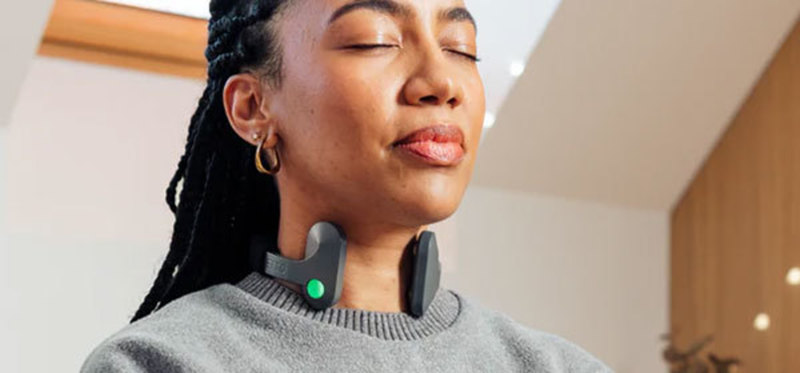
The reason it’s worth it for the right buyer is consistency. Everyone knows breathing and rest calm you down. The problem is doing them when you’re already stressed. A 5-minute hands-off ritual is easier to keep than a meditation habit, and that’s the real value here.
Across more than 3,000 owner reviews, Pulsetto averages about 4.2 stars, with the steady themes being lower stress and better sleep. Our full Pulsetto review digs into that sentiment, the two real annoyances, and whether the $269 holds up.
Is Pulsetto legit?
Yes. Pulsetto is a real non-invasive vagus nerve stimulator from an established brand, not a dropship gimmick with fake reviews. The strongest evidence it’s the real thing is a 2025 sham-controlled study, the kind of test gadgets in this space almost never run.
In that study, some participants used a fake device that looked identical. Real Pulsetto sessions produced more alpha-wave activity, a marker of a calmer brain state, and lower arterial blood pressure than the sham. That’s a measured signal, not a testimonial.
Be precise about what “legit” means here, though. The study supports Pulsetto as a relaxation and sleep-support tool with a real mechanism. It doesn’t make it a treatment for anxiety, insomnia, or any medical condition, and long-term effects haven’t been studied yet. If you want the evidence for the whole device category, our guide on whether vagus nerve stimulators really work walks the ladder from implanted medical stimulators down to consumer collars.
The real cost, beyond the sticker price
The $269 isn’t quite the whole story, and this is where “worth it” gets nuanced. There are two ongoing costs the checkout page doesn’t dwell on.
First, you need conductive gel for every session. It’s cheap, but it’s a recurring purchase and a small ritual, so this is a sit-down device, not a wear-it-around-the-house one.
Second, the best guided programs sit behind a separate app subscription on top of the hardware. The device paces a basic session fine on its own, but the sleep, anxiety, and burnout programs people rave about are the paid tier.
Honestly, neither is a dealbreaker, but pretending they don’t exist is how buyers end up annoyed. Budget for both and the value math stays fair.
Who should skip it
Pulsetto isn’t worth it for everyone. Skip it if you want a device you can wear passively while you work, because it needs gel and a still five minutes. Skip it if you’re hunting a guaranteed result, because a real minority of users feel nothing, which is normal for nerve stimulation.
And if you’d rather not spend anything, much of the same calming effect is free. Slow, long-exhale breathing and cold exposure hit the same nerve, as we cover in how to stimulate the vagus nerve naturally. Pulsetto’s edge over those is simply that you’ll keep doing it.
If you’re weighing it against the most-studied option, the ear-clip Nurosym has more clinical citations at a much higher price, and we lay out that trade in our Pulsetto vs Nurosym comparison.
The bottom line
Pulsetto is worth it if you have real, ongoing stress, you’ll use it a few minutes most days, and you go in knowing about the gel and the app tier. It’s legit, it has a genuine 2025 study behind it, and the 30-day window lets you find out if you’re a responder before you’re committed.
For the full picture, including the sentiment across 3,000-plus reviews and the honest annoyances, read our complete Pulsetto review, and see where it lands among the best sleep gadgets of 2026.