
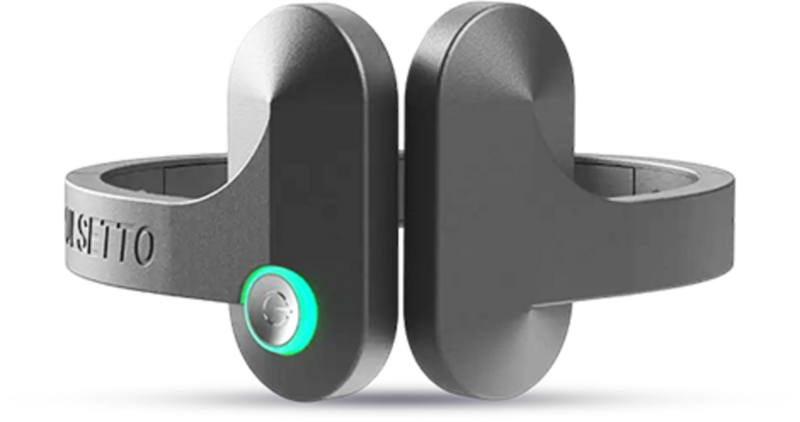
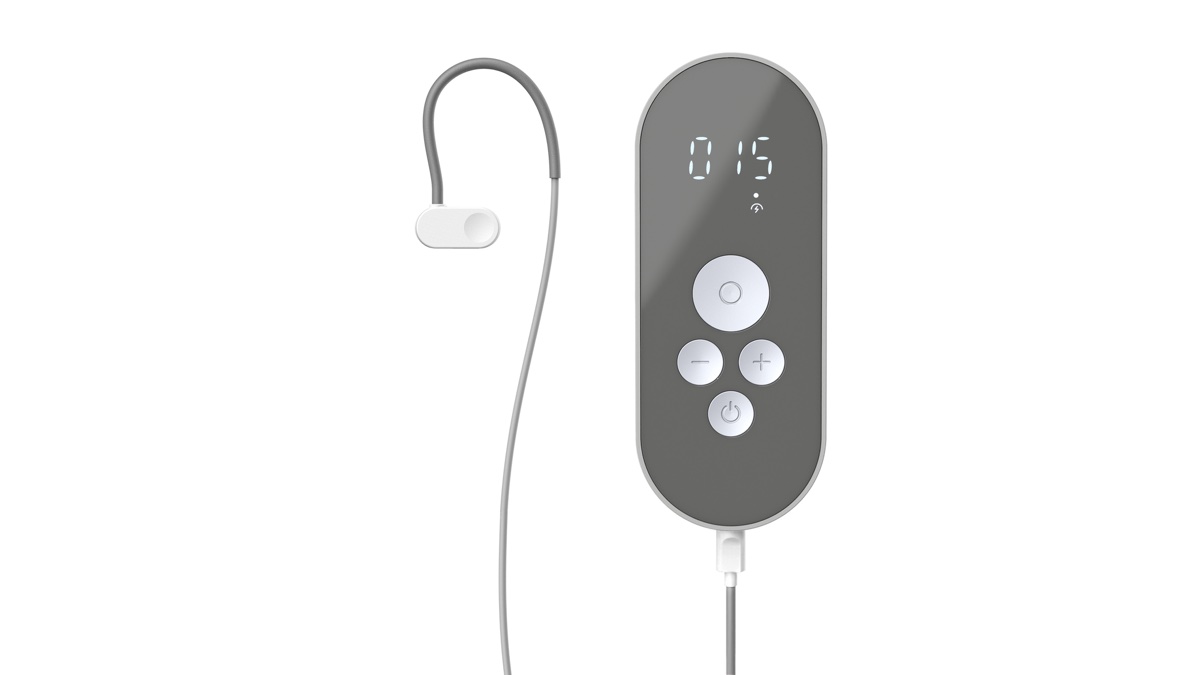
Both of these devices promise the same thing: stimulate your vagus nerve, the wiring that flips your body out of fight-or-flight and into rest mode, so you feel calmer and sleep better.
But they go about it in almost opposite ways, and at almost opposite prices. Pulsetto is a $269 neck collar with short, hands-off sessions.
Nurosym is an ear clip that runs closer to $700 and carries one of the deepest research files in the category.
So which one actually deserves your money?
For this Pulsetto vs Nurosym comparison we read the 2025 Pulsetto study, Nurosym’s clinical record, and thousands of owner reviews across both, weighting credible verified feedback over one-liners in either direction.
The honest short version: Nurosym is the more heavily studied device, but Pulsetto delivers most of the everyday benefit for a fraction of the cost and effort. Here’s how the two line up on the things that decide it.
Pulsetto vs Nurosym at a glance
| Feature | Pulsetto | Nurosym |
|---|---|---|
| Price | Around $269 | Around $700 (£599 in the UK) |
| Where it sits | Neck collar | Ear clip on the tragus |
| Session length | 4 to 10 minutes, twice daily | 30 to 60 minutes daily |
| Setup each use | Needs conductive gel | Clip on, no gel |
| Evidence | 2025 sham-controlled study | 60-plus clinical studies |
| Guided app | Yes, programs for stress and sleep | App-guided sessions |
| Regulatory standing | Consumer wellness device | CE-certified medical device (EU) |
| Best for | Everyday value and convenience | Research-first buyers, budget no object |
| Our score | 9.7 / 10 | 7.9 / 10 |
What each device is and how it works
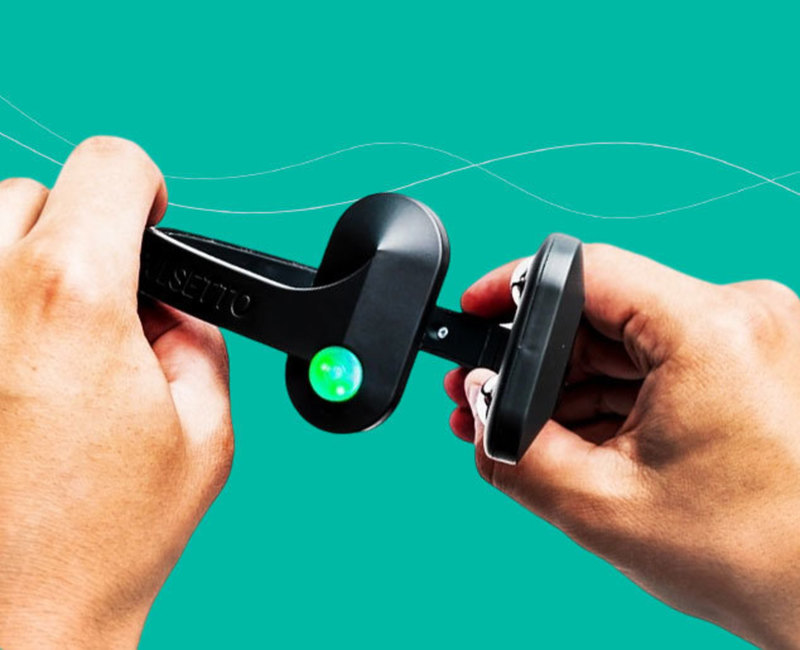
The Pulsetto vagus nerve stimulator is a soft non-invasive collar, or nVNS, that sits around the front of your neck.
You add a little conductive gel, pick a program in the app (stress, sleep, anxiety, burnout, or body), and it sends gentle pulses to the vagus nerve for 4 to 10 minutes.
It’s a sit-still-for-five-minutes ritual you do once or twice a day.
Nurosym is a transcutaneous vagus nerve stimulator, or tVNS, that clips to the tragus, the small cartilage flap at the front of your ear.
It sends mild impulses through that spot for a longer daily session, typically 30 to 60 minutes, often in the morning or split morning and evening.
It’s built on Parasym’s technology and is a CE-certified medical device in the EU, with several non-significant-risk designations from the FDA.
The mechanism is the same idea, non-invasive vagus nerve stimulation, but the ergonomics differ sharply. One is a quick collar session with gel; the other is a longer ear-clip session you can wear while you get on with something else.
Round by round
Price
Round winner: PulsettoStart with the number most people decide on. Pulsetto lists around $269 and is frequently discounted. Nurosym runs about $700, sold at £599 in the UK, with the US version (branded NuroPod) closer to $900.
That’s roughly a $430 to $600 difference for two devices aimed at the same outcome.
For that reason, this isn’t a like-for-like matchup at a similar price. It’s a question of whether Nurosym’s much larger evidence base and medical-device standing are worth two to three times the spend for your situation.
If you’re managing everyday stress and want better sleep, Pulsetto covers that need for far less. If you want the most-studied device on the market and price genuinely isn’t the constraint, Nurosym is where that money goes. Our guide on why Nurosym is so expensive breaks down exactly what that premium pays for.
Evidence
Round winner: NurosymCredit where it’s due. Nurosym has the deeper research file by a wide margin. Parasym’s approach has been examined in 60-plus completed clinical studies alongside institutions including Harvard and UCLA.
In one HRV trial, a single one-hour session favorably shifted all three heart-rate-variability measures versus placebo: high-frequency HRV rose, low-frequency fell, and the ratio between them dropped, the pattern you’d want to see for a calmer nervous system.
Pulsetto isn’t running on vibes either, which is what separates it from most stress gadgets.
A 2025 sham-controlled study, where some participants used an identical-looking fake device, found real Pulsetto sessions produced more alpha-wave activity (a marker of a calmer brain state) and lower arterial blood pressure than the sham.
It’s one good study rather than sixty, and long-term effects haven’t been mapped. Both devices point to a real calming effect on average; Nurosym simply has more evidence stacked behind it. If you want the fuller picture on that, our guide on whether Nurosym actually works weighs what its research really shows.
Treat either as a relaxation and sleep-support tool, not a medical treatment.
Convenience
Round winner: PulsettoHere the value flips. Pulsetto’s sessions are 4 to 10 minutes, roughly a third to a fifth of Nurosym’s 30-to-60-minute ask.
For someone trying to build a daily habit, that difference is the whole ballgame, since the calmest device is the one you’ll actually use every day.
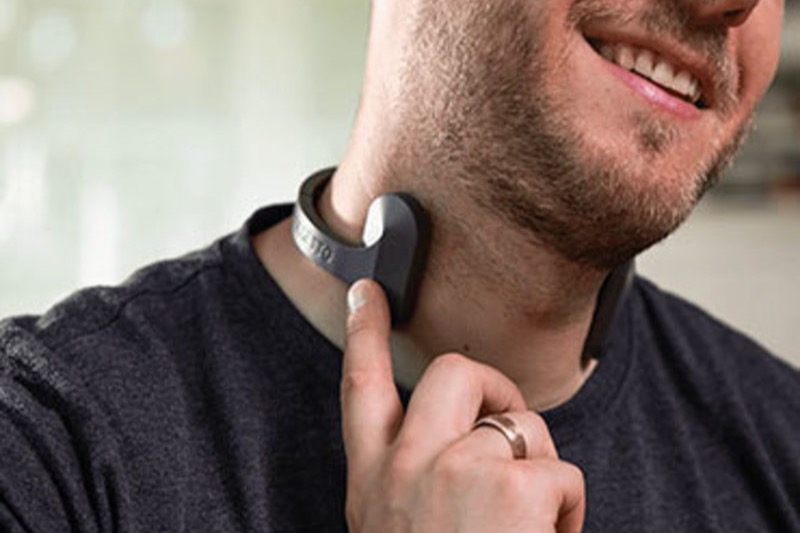
Pulsetto is also the most-reviewed device in its category, averaging 4.2 across more than 3,000 Trustpilot reviews, so plenty of people are sticking with the routine.
The catch cuts the other way: Pulsetto needs conductive gel every session, a small ongoing cost and a bit of fuss, and its best guided programs sit behind a separate app subscription on top of the $269 hardware.
Nurosym’s ear clip skips the gel entirely and can be worn while you read or work through its longer session.
So Pulsetto wins on session length and Nurosym wins on setup simplicity, and which matters more comes down to whether you’d rather spend less time or skip the gel.
What owners say
“It does what it said it would and genuinely helps me fall asleep. I use the sleep program most nights now.”
“I was a skeptic. Five minutes on the stress setting and my shoulders drop. It has honestly improved my life.”
“The guided programs are the best part. It feels like a data-driven routine rather than a gimmick.”
Across the credible Pulsetto reviews, the steady themes are lower stress and better sleep, plus real appreciation for the short guided sessions.
The honest counterweight, and it’s the same for both devices, is that a minority of users feel nothing at all.
That’s normal for nerve stimulation, and it’s exactly why the return window matters on either purchase.
Pros and cons of picking Pulsetto
What we liked
- Around $269, versus roughly $700 for Nurosym, for the same everyday goal
- Short 4 to 10 minute hands-off sessions that fit a real routine
- Backed by a 2025 sham-controlled study, rare in this category
- Guided app programs for sleep, stress, anxiety and burnout
What we didn't
- Only available online
Who should buy which
Choose Pulsetto if you want a science-backed way to switch off at the end of the day, you value a short session you’ll actually keep doing, and you’d rather spend $269 than $700.
It’s the better everyday-value pick for most people managing ordinary stress and restless sleep.
Still not sure the neck device really does anything? Our guide on whether Pulsetto actually stimulates the vagus nerve walks through the mechanism and the evidence in plain English. Our full Pulsetto review digs into the gel, the app upsells, and the study in more detail, and it also appears in our roundup of the best vagus nerve stimulator options. If the longevity crowd is what brought you here, our look at whether Bryan Johnson still uses Nurosym covers which of these two he’s actually shown using now.
Choose Nurosym if research depth is your top priority, you want a CE-certified medical device with a large clinical record, and the higher price and longer daily session are acceptable trade-offs for that.
It’s the medical-grade end of this category, and it earns that label.
For most people who just want to feel calmer and sleep better without a four-figure commitment, Pulsetto is the smarter buy, and Nurosym is the upgrade you reach for only if the evidence base itself is what you’re paying for.
If you’d rather pace your breathing than stimulate a nerve, our Moonbird review and best sleep gadgets guide cover the alternatives.
Check today's Pulsetto price