
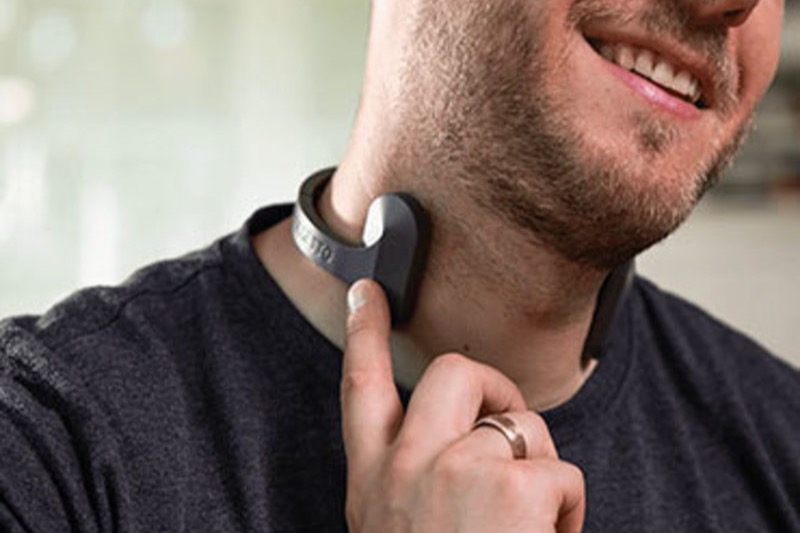
If you’ve watched Bryan Johnson’s routine and wondered whether he still uses Nurosym, the honest answer is that the vagus nerve device in his spotlight now is Pulsetto, the one worn on the neck.
Johnson is the longevity founder who measures everything, so people copy his gear. Vagus nerve stimulation has been part of that stack for a while, and the specific device has shifted over time.
He talked up the ear-clip Nurosym earlier, especially for post-viral fatigue. More recently, the device on camera is the neck-worn Pulsetto. Here’s what’s actually changed, and what it means if you’re deciding which one to buy.
Does Bryan Johnson still use Nurosym?
There’s no public statement that he’s abandoned Nurosym, but the device he shows using now is Pulsetto, not Nurosym. So the accurate answer is that his visible pick moved from the ear clip to the neck collar, and he’s never framed it as a dramatic switch.
Early on, Johnson pointed to vagus nerve stimulation during the pandemic, citing evidence that these devices seemed to help with post-viral fatigue. Nurosym, which clips to the tragus of your left ear, was the device most associated with him in that period.
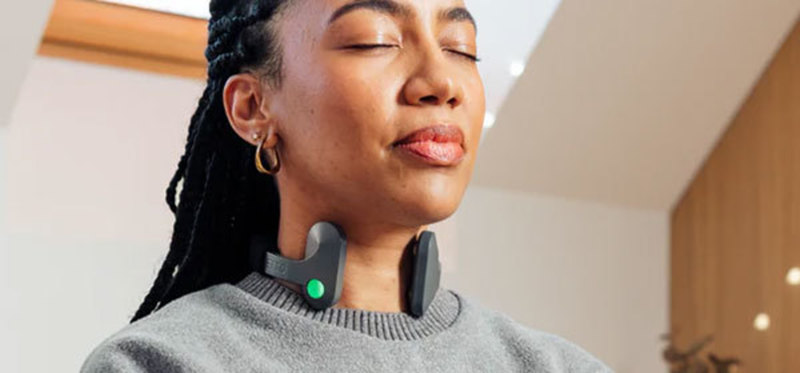
Then the picture changed. In the press around his Netflix documentary Don’t Die, the vagus nerve device Johnson wears is Pulsetto, a soft collar rather than an ear clip. He’s quoted describing a very specific use: if he wakes at night, he puts it on for about 10 minutes and it helps him fall back asleep.
That’s the real shift. Not a public breakup with Nurosym, just a newer device doing the same job from a different spot on the body.
Why the device he uses even matters
Both Nurosym and Pulsetto chase the same target, the vagus nerve, the wiring that flips you out of fight-or-flight and into rest mode. Stimulate it and the goal is lower stress, easier sleep, and better heart rate variability, which is exactly what Johnson tracks.
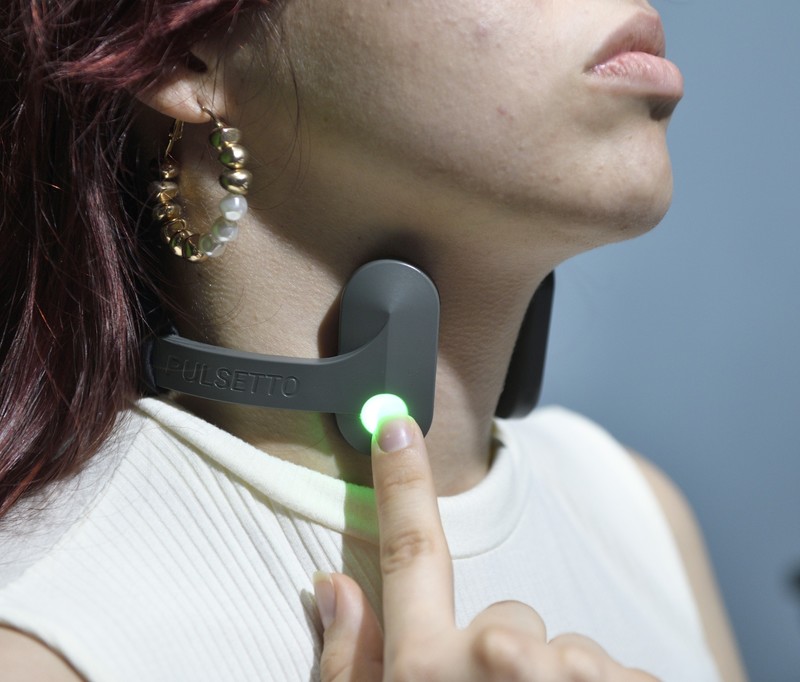
The difference is how they reach the nerve. Nurosym sends pulses through an ear clip on the tragus. Pulsetto sits on your neck and stimulates the vagus branches there.
That changes the daily experience more than you’d think. An ear clip asks for a longer sit, closer to 30 to 60 minutes. The Pulsetto collar runs 4 to 10 minute sessions, usually once or twice a day, which is the kind of short ritual people actually keep.
Honestly, that convenience gap is a big part of why a neck device is easier to build a habit around, celebrity routine or not.
Nurosym vs Pulsetto, without the hype
Price is the loudest difference. Nurosym runs around $700. Pulsetto is $269. You’re looking at a roughly $430 gap for two devices aimed at the same nervous system.
Nurosym earns its premium on evidence. It’s built on Parasym’s technology, has a much larger clinical record, and carries CE medical-device certification in the EU. If research depth is the thing you’re buying, it leads.
Pulsetto counters on value and everyday use. It has a 2025 sham-controlled study behind it, where real sessions produced more alpha-wave activity and lower blood pressure than a fake device, and it averages about 4.2 stars across 3,000-plus reviews. For daily stress and sleep at a third of the price, that’s a strong case.
For the full side-by-side, including session length, the research on each, and who should pay up for Nurosym, read our Pulsetto vs Nurosym breakdown. It’s the piece to send anyone stuck between the two.
So which should you actually buy?
If you want what Johnson visibly uses now, and a short daily session you’ll stick with, Pulsetto is the practical pick at $269. Budget for the conductive gel and the optional app tier, and use the 30-day window to find out if you’re a responder.
If maximum clinical backing matters more than price or session length, Nurosym is the deeper-researched device, and its higher cost buys that evidence base.
One honest caveat for both: these are relaxation and sleep-support tools, not medical treatments, and a real minority of people feel little from vagus nerve stimulation. If you’re new to the idea, our guide on whether vagus nerve stimulators really work walks the evidence from implanted medical devices down to consumer collars, and the best vagus nerve stimulator roundup lines up the options worth your money.