
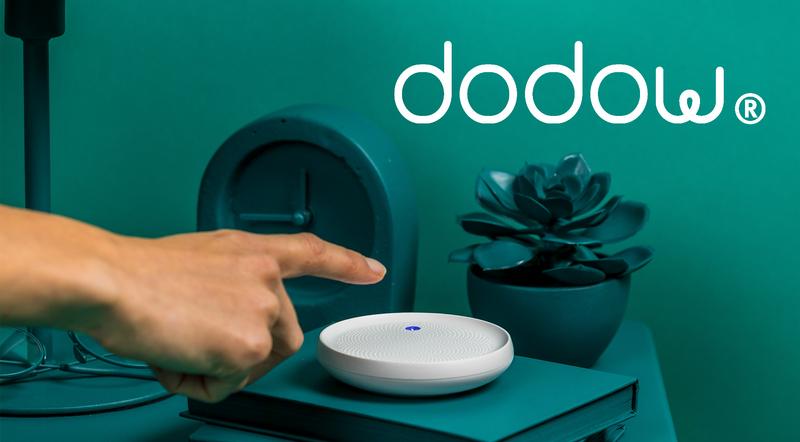
Does Dodow actually work, or is it a $59 nightlight with good marketing? It’s the fair question to ask before you buy, and the honest answer has two halves: the science it leans on is solid, and the device’s own proof is thinner than the ads suggest.
Dodow is a small disc that projects a soft pulsing blue light onto your ceiling. You breathe in as the halo grows and out as it shrinks, and the rhythm slowly winds down from 11 breaths a minute to 6.
This guide separates what’s genuinely proven from what’s just popular, so you know exactly what you’re buying.
The science Dodow leans on is real
Start with the part that isn’t in doubt. Slow, paced breathing at around 6 breaths per minute activates the parasympathetic nervous system, the “rest and digest” side that tells your body to stand down. That effect is well documented in general stress and sleep research.
Nobody serious disputes that slowing your breath calms you down. Dodow’s whole design is a way to do that without counting: the light paces you, so your only job is to follow it.
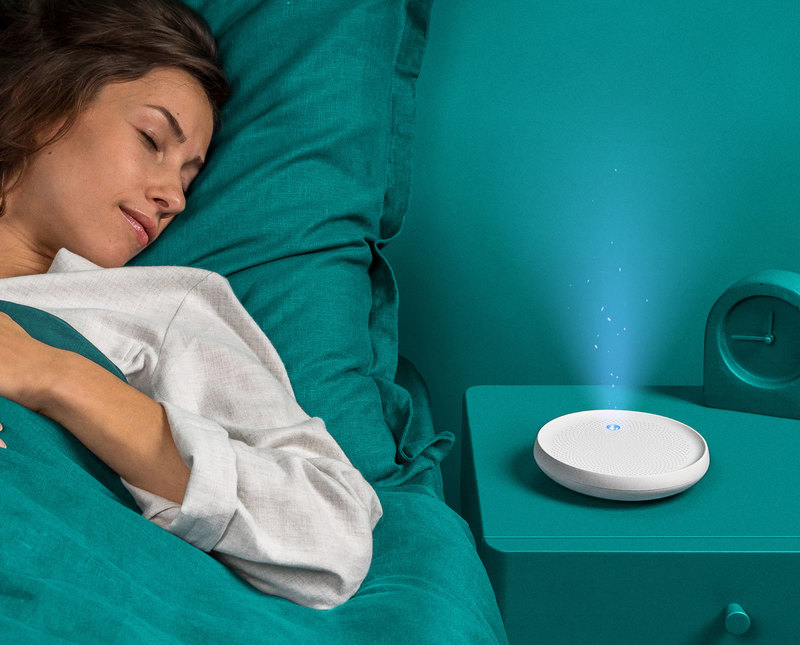
So on mechanism alone, Dodow isn’t a gimmick. It’s a delivery device for a technique that works.
What Dodow’s own evidence does and doesn’t show
Here’s where you should be precise. What Dodow doesn’t have is a device-specific clinical trial. The headline numbers, users falling asleep “up to 2.5x faster” and about 75% reporting faster sleep onset, come from the maker’s own user surveys, not independent studies.
LivLab, the French company behind it, says over a million units have been sold. That tells you it’s popular, not that it’s proven.
The fair way to read it: the mechanism is science-backed, and the device’s own evidence is customer data. Across the large Amazon review base and editorial roundups, Dodow’s aggregate sits around 4.0 to 4.1 out of 5, and the pattern in the detailed reviews is consistent. It works by giving a racing mind one simple job to do.
That’s thinner than what backs a device like the Pulsetto, which has a 2025 sham-controlled study behind it, but Pulsetto also costs $269.
Who it works for, and who it doesn’t
Dodow clicks best for one specific person: someone whose body is tired but whose head won’t shut up at bedtime. Paced breathing is aimed squarely at that racing-mind problem.
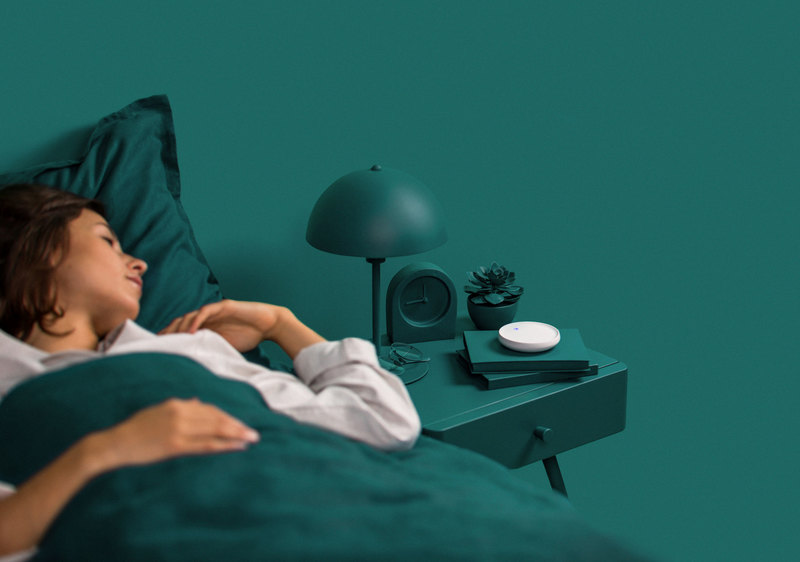
There’s one catch almost nobody mentions before you buy: you need a clear view of your ceiling, which makes Dodow a back-sleeper’s device. If you fall asleep strictly on your side or stomach, you’ll be craning at a light, and several reviewers gave up for exactly that reason.
It also won’t help if your problem is staying asleep rather than falling asleep, since its job happens in the first 8 to 20 minutes of the night. And if guided breathing already does nothing for you, a light won’t change that. Roughly a quarter of users say it does little for them, which is a real miss rate worth knowing.
The honest bottom line
Does Dodow actually work? For most back-sleepers with a busy mind who give it a week, yes, as a fall-asleep aid built on real physiology. For side sleepers, people who need help staying asleep, and the minority who don’t respond to paced breathing, it won’t.
The reason it’s still an easy thing to try is the risk. It’s around $59 with no app, no subscription, and nothing to charge, and bought direct it comes with a 100-night return window. That’s enough time to find out which group you’re in.
For the full breakdown, our Dodow review digs into the 100-night guarantee, the owner sentiment across thousands of reviews, and how it stacks up against pricier gadgets. If you want to see the whole field, our best sleep gadgets of 2026 roundup ranks Dodow against the $199 Moonbird, which does the same breath-pacing job through your hand and works in any sleeping position. And if you just want techniques to try tonight, our guide on how to fall asleep faster tonight costs nothing to test.