

The honest answer is yes, with a clear line around what “work” means: Moonbird reliably slows your breathing and helps you relax, and there’s early evidence it does that better than a screen.
If you’re asking does the Moonbird breathing device really work, you’re probably weighing $199 against a free breathing app and a healthy dose of skepticism. Good. That’s the right way to approach any wellness gadget.
This guide separates the two claims tangled up inside that question, points to the one real study on the device, and is straight about who breathwork isn’t for. Our full Moonbird review goes deeper on price and long-term owner sentiment.
Does the Moonbird breathing device really work?
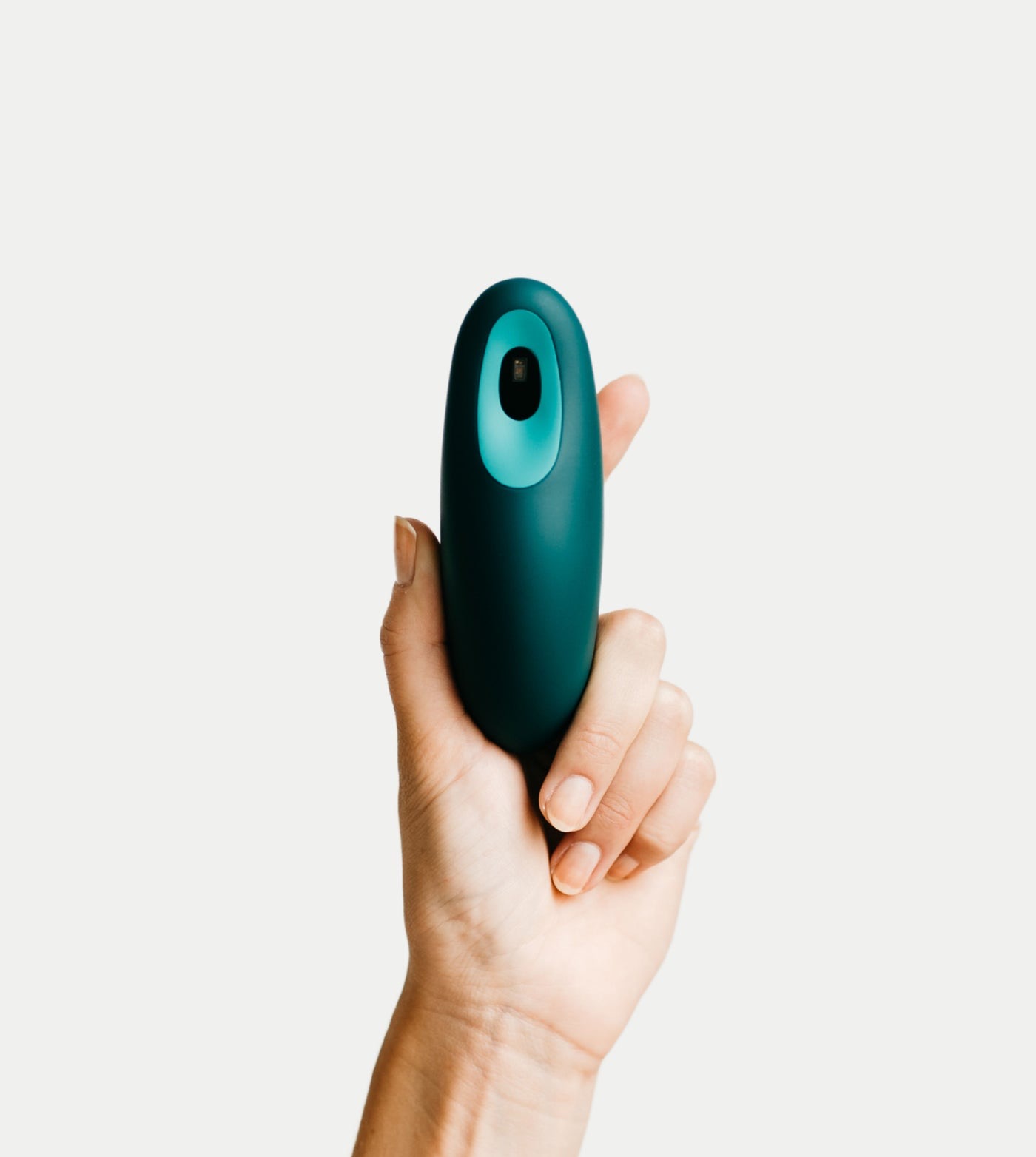
Short answer: for its actual job, easing you into a calmer state by slowing your breath, it works, and owners back that up. Moonbird is a handheld pacer that swells and shrinks in your palm. You breathe in as it grows and out as it falls, so your body follows a physical rhythm instead of a counting app.
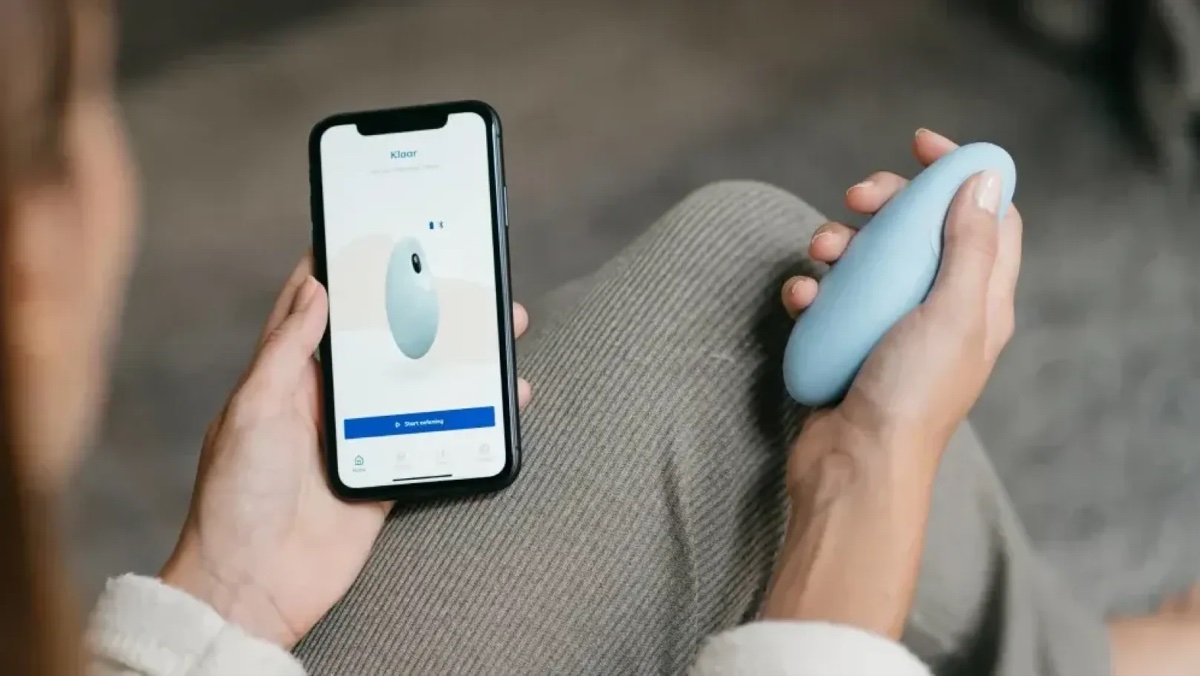
The pace it guides you toward is about six breaths a minute, with the exhale longer than the inhale. That slow, long-exhale pattern is the one most tied to the body’s rest response. Across roughly 800 Trustpilot reviews, owners average about 4.3 out of 5, and a recurring theme is falling back asleep after a 3am wake-up.
What it doesn’t do is treat a condition. It’s a relaxation and sleep-support tool, not a device that cures anxiety or insomnia. Keep that framing and the honest answer is clear: it does the calming job it’s built for.
What the 2025 study actually found
There is one piece of real research on the device, and it’s worth being precise about.
In 2025, researchers published a head-to-head trial in the International Journal of Clinical and Health Psychology. They ran 36 highly stressed adults through sessions with both Moonbird and the Core meditation trainer while wired to EEG and ECG.
Breathing slowed with both devices. The effect held on more strongly after the Moonbird sessions, and participants preferred it for handling and guidance.
Be careful what you take from that. It’s one small study, on stressed-but-healthy adults, measured across sessions rather than months. It supports Moonbird as a relaxation tool with a mechanism you can see on lab instruments. It doesn’t turn it into a treatment.
Does breathwork really work in the first place?
This is the deeper half of the question, and here the evidence is older and stronger. Breathing at around six breaths a minute reliably shifts your nervous system toward its rest state, easing heart rate and tension. Moonbird doesn’t have to prove that part.
The real problem breathwork has always had is follow-through. You start a 4-7-8 cycle, your mind wanders, and a minute later you’ve lost count and reached for your phone. The technique works; sticking with it is the hard part.
That’s the whole reason a pacer exists. By making the rhythm physical, Moonbird takes the mental effort out, so the technique that everyone recommends becomes one you can actually keep doing. Our guide on how Moonbird works walks through the tactile mechanism in detail, and does breathwork actually work for anxiety covers the wider evidence.
Who breathwork isn’t for
Gentle paced breathing is about as low-risk as wellness habits get, but it isn’t a blanket yes for everyone. Fast, forceful, or breath-holding styles of breathwork can leave some people lightheaded or anxious rather than calmer.
If you’re pregnant, have a heart or respiratory condition, epilepsy, or a history of panic attacks or trauma, it’s worth a quick word with a clinician before you start a regular practice. That’s standard caution echoed by sources like the Cleveland Clinic, not a knock on the device.
Moonbird sits at the mild end of all this. Its pacing is slow and even, with no hyperventilation or long holds. For most people it’s the gentlest possible on-ramp, and pairing it with a doctor’s okay if any of the above applies keeps it firmly in the safe lane.
So, is it worth buying?
If what you want is a way to make slow breathing automatic, and you like the idea of seeing your heart rate settle in real time, Moonbird delivers on the promise. The early evidence and the steady owner sentiment point the same way.
If a free app already keeps you calm, you may not need hardware at all, and that’s a fair place to land. For everyone on the fence, our Moonbird review breaks down the $199 question, the two real annoyances owners mention, and how it stacks up in our best sleep gadgets of 2026 roundup. If you’d rather a hands-free nightstand option, Moonbird vs Dodow puts the pacer against a breathing light.
The bottom line: Moonbird works by making the one calming technique everyone recommends impossible to lose track of, and the early evidence says the calm outlasts the session.