
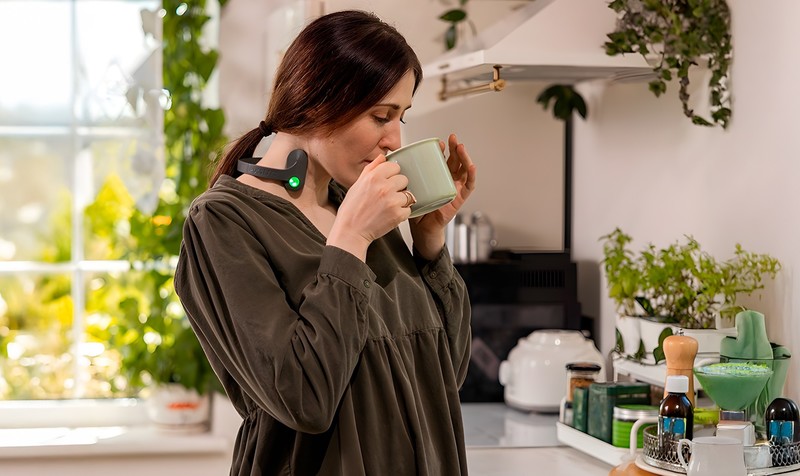
Pulsetto is marketed as a few minutes to a calmer nervous system, but the obvious question is whether the thing around your neck is really doing anything at all. If you’re weighing one, this is the part worth reading before the reviews.
The short answer up front: yes, Pulsetto does deliver real electrical stimulation aimed at the vagus nerve. Whether that stimulation produces the calm and better sleep the ads promise is a separate, more honest question, and one the science is still catching up on.
Below is what the device actually does, what the evidence says so far, and how to tell a genuine effect from wishful thinking.
What Pulsetto actually does to the vagus nerve
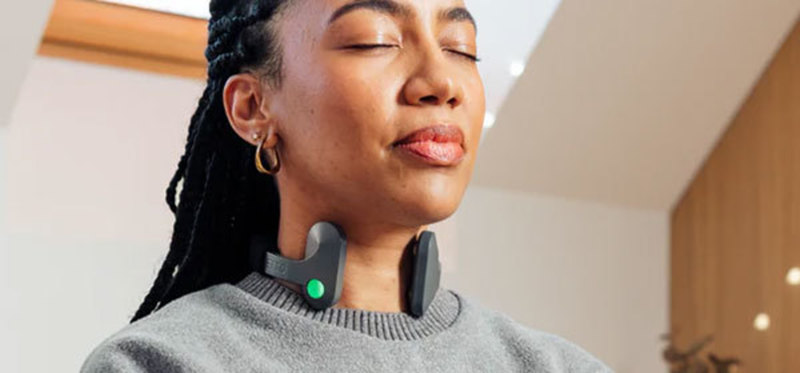
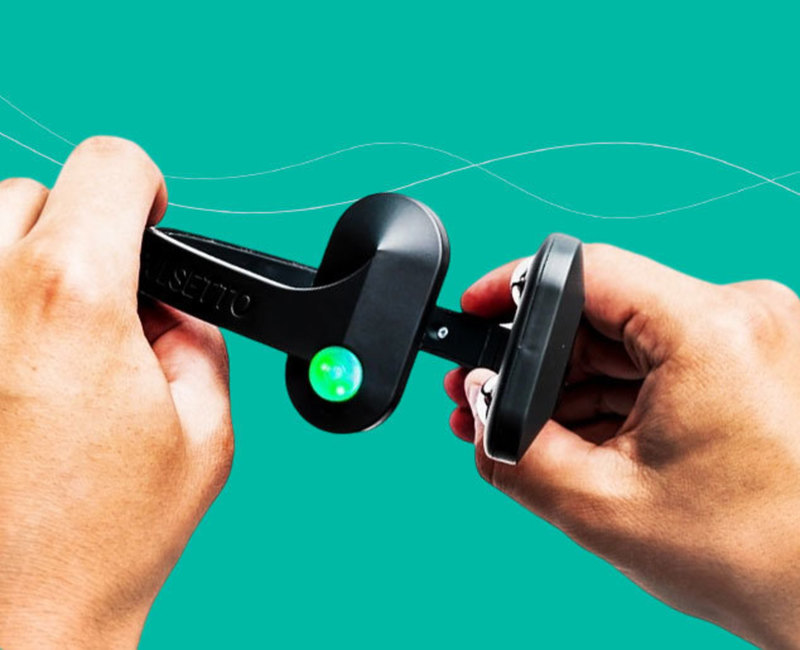
Pulsetto is a soft collar that sits on your neck and sends a mild electrical current through two electrodes. The vagus nerve has branches that run close to the surface of the neck, and the device aims its pulses at those branches. So in the literal, mechanical sense, yes, it stimulates the vagus nerve.
That part isn’t really in dispute. This is transcutaneous stimulation, meaning through the skin, and the current is real. You feel it as a faint buzz or tingle, and you run a session for a few minutes through the app.
The interesting question isn’t whether current reaches the nerve. It’s whether reaching the nerve this way produces the downstream calm, the shift toward the “rest and digest” side of your nervous system, that the marketing sells. That’s where you have to look at evidence, not mechanism.
Does stimulating it actually make you calmer?
Here’s the honest middle ground. Plenty of users report feeling noticeably calmer after a session, and a 2025 sham-controlled study (one where some participants got a fake stimulation for comparison) supported a real calming effect rather than just placebo. That’s a meaningful data point, and better than most consumer wellness gadgets can point to.
But the wider research on external, at-home vagus devices is still early and thin. Cleveland Clinic has noted that skin-level devices can’t match the frequencies and voltages of the surgically implanted kind, and large trials confirming consistent benefits are limited. Responses also vary a lot between people.
So the fair read is a promising relaxation aid, not a proven treatment. If you go in expecting a gentle nudge toward calm that works well for some people and less for others, you’ve got the right expectation.
How to tell if it’s working for you
Because the effect is subtle, judge it the way you’d judge any relaxation practice. Use it consistently for a couple of weeks, ideally at the same time each day, and notice concrete things: whether you fall asleep faster, whether your evening wind-down feels easier, whether a stressful afternoon settles a little quicker.
One useful test is to pay attention to the first few minutes after a session rather than expecting a dramatic switch. A slightly slower heartbeat, a looser jaw, an easier breath. Those small shifts are what the calming effect actually feels like, not a wave of instant bliss.
And keep the free tools in play. Slow breathing with long exhales, humming, gargling, and cold water on the face all nudge the same nerve at no cost, and they pair well with a device rather than competing with it.
The safety side, briefly
Stimulating the vagus nerve isn’t for everyone, and this is the part the marketing tends to skip. Skip an at-home device, or clear it with a doctor first, if you have an implanted electronic device like a pacemaker, metal implanted near your neck, a serious heart-rhythm condition, a seizure or fainting history, or if you’re pregnant or under 18.
For most healthy adults the reported side effects of external devices are mild and short-lived: skin irritation where the electrodes sit, tingling, a headache, or some dizziness. Start on the lowest setting and build up. Our full guide to who should avoid vagus nerve stimulation devices walks through the contraindications in detail.
So, is Pulsetto worth trying?
If none of the safety flags apply to you and you like the idea of a consistent, hands-off way to trigger the calming response, Pulsetto is a reasonable thing to try, especially with a money-back window to test it on yourself. Just hold it as a wellness gadget with encouraging early evidence, not as medical treatment.
If you’re comparing it to the other big name in the category, our Pulsetto vs Nurosym comparison lines the two up on price, feel, and evidence so you can see which suits you before you spend. Our full Pulsetto review covers what the sessions are actually like day to day, and is Pulsetto worth it weighs the price against what you get. For the wider evidence picture, do vagus nerve stimulators really work digs into the research.
This guide is general information, not medical advice. For anything on the safety list above, your own doctor is the right call.