

Jet lag isn’t a character flaw or a hydration problem you can chug your way out of, it’s your internal body clock stubbornly running on the time zone you left behind. Your brain still thinks it’s 3am while the breakfast buffet insists it’s morning.
The good news is that jet lag responds to a handful of specific, well-studied moves. Light timing, meal and sleep scheduling, a smart dose of melatonin, and a solid wind-down routine do most of the work.
This guide covers the jet lag recovery tips that work, ranked roughly by how much difference they make, plus the honest truth about which popular fixes are overrated.
Start with light, because it runs the whole clock
Light is the master switch for your body clock, and using it deliberately is the single most powerful thing you can do. The trick is the timing, not simply getting outside.
When you fly east, chase morning light and avoid bright light late in the day. That advances your clock toward the earlier bedtime you now need.
When you fly west, do the opposite. Seek out afternoon and early-evening light and go easy on the early morning sun, which helps you delay your clock toward a later local schedule.
On overcast days or dark winter arrivals, natural daylight still beats indoor lighting by a wide margin, so get outside even when it’s grey. A short walk on landing does double duty: light exposure plus movement.
Get on local time the moment you board
The single mindset shift that helps most is deciding your destination’s clock is now the only clock. Set your watch on the plane and start living on the new time immediately.
That means sleeping on the flight only if it’s nighttime where you’re headed, and staying awake if it’s daytime there. It’s uncomfortable, but it front-loads the adjustment.
When you land, eat meals at local mealtimes even if you’re not hungry yet. Food is a secondary time cue, and lining up your meals with the destination nudges your body clock along with the light.
Use melatonin as a timing tool, not a sleeping pill
Melatonin has the best evidence of any jet lag supplement, but people misuse it. It’s not there to knock you out. It’s a signal that tells your body clock “it’s night now,” so the timing matters more than the dose.
For eastward trips across several time zones, a small 0.5 to 3 mg dose taken close to your target bedtime at the destination is the sweet spot. Bigger isn’t better, and a large dose can leave you groggy.
Skip it if you’re only crossing a zone or two, or if a doctor has advised against it. Like everything here, it’s a nudge, not a cure, and it works best stacked with good light timing.
Protect your sleep with a wind-down routine that travels
A strange hotel room, a noisy cabin, and a wired-but-tired body are the enemies of the sleep that actually resets you. A portable wind-down routine is what carries your good habits across time zones.
The basics are boring and effective: dim the lights an hour before bed, put the screens away, keep the room cool and dark, and skip the nightcap. Alcohol feels sedating but fragments the back half of your sleep.
Slow breathing is the most portable tool of all. Long, unhurried exhales shift your nervous system out of alert mode, which is exactly what a jet-lagged, over-stimulated body needs to fall asleep in an unfamiliar place. That same long-exhale trick calms a nervous flyer mid-air, which we cover in our guide on flight anxiety and how to calm down fast.
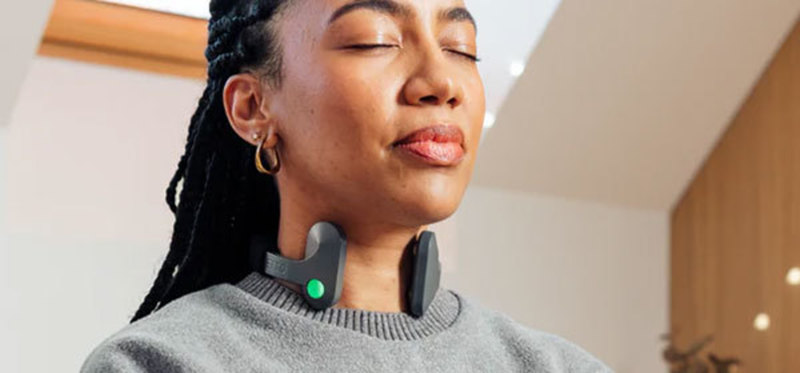
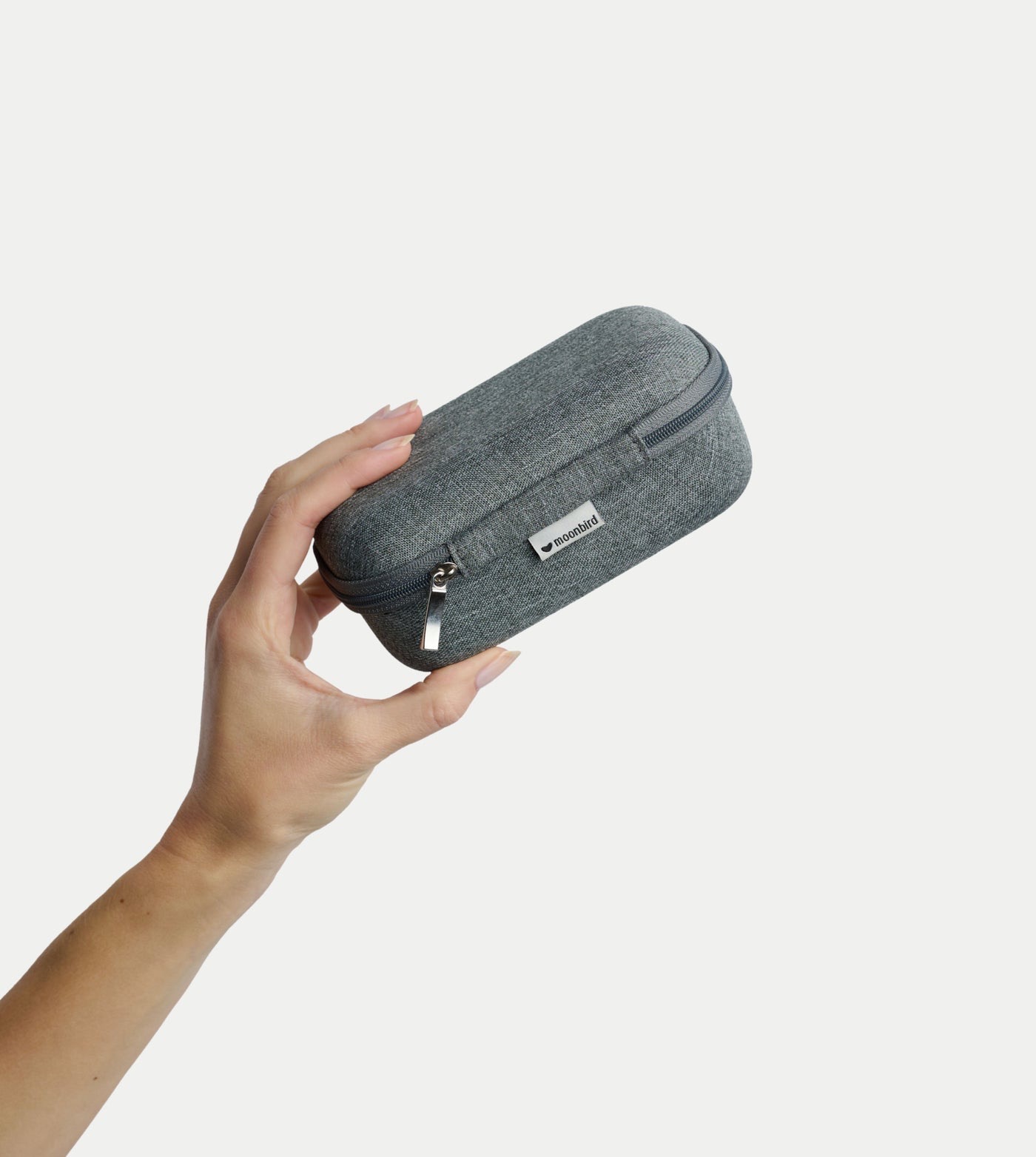
Some travelers make that easier with a device. A paced-breathing tool like the Moonbird guides your breath to a slow rhythm so you don’t have to count in your head, and a vagus nerve wearable like the Pulsetto aims to switch on the body’s calming response in a few quiet minutes.
Neither treats jet lag, and you don’t need hardware to breathe slowly. But if a noisy cabin or a wired hotel night usually beats you, a guided wind-down can be the difference between tossing and actually dropping off. Our Moonbird review and Pulsetto review cover how each one works and who they suit, and the Moonbird vs Pulsetto comparison pits the two approaches head to head.
Time your caffeine and naps carefully
Caffeine helps you push through the daytime grogginess, but late caffeine sabotages the night that would actually fix you. Use it in the local morning and cut it off by early afternoon at your destination.
Naps are a trap if you do them wrong. A short 20 to 30 minute nap can take the edge off without wrecking your night, but a two-hour afternoon crash will convince your body it’s still on the old schedule.
If you have to nap, keep it early and short, then get back into daylight and movement afterward to stay pointed at local time.
What to skip, and the honest bottom line
A few popular fixes underdeliver. Elaborate pre-flight fasting protocols are hard to follow and thinly supported, most “jet lag” pills beyond melatonin lack good evidence, and hydration, while genuinely worth doing to counter dry cabin air, won’t fix the underlying clock mismatch on its own.
The move that actually shortens jet lag is boring consistency: aggressive light timing, immediate local-schedule living, a small well-timed melatonin dose when the trip warrants it, and a wind-down routine you can run anywhere.
Do those, expect to adjust roughly a time zone a day, and be a little kinder to yourself flying east. If the flight itself is where you lose the sleep, our guide on how to sleep on a plane covers the in-seat version of all this. For more sleep and travel gear that helps you wind down on the road, see our best sleep gadgets of 2026 roundup and the travel hub, or the low-tech Dodow review if you’d rather reset without a screen.