

If you’ve searched “is Pulsetto a scam,” you’re doing the smart thing before spending $269 on a device you can’t try in a store first. The ads are everywhere, the claims are big, and it’s fair to ask what the unhappy buyers ran into.
Here’s the short answer up front. Pulsetto is a real, registered company, not a scam, and most buyers are satisfied. It’s also a heavily-marketed direct-to-consumer brand, and the honest gripes cluster in a few predictable spots, most of them about billing and the app rather than the device.
For this guide we read the live Trustpilot reviews, the BBB Scam Tracker file, the Lithuanian company registry, and the independent hands-on write-ups, then sorted the real complaints from the noise. Here’s who makes Pulsetto, what buyers actually flag, and how to buy so none of it lands on you.
Is Pulsetto a real company?
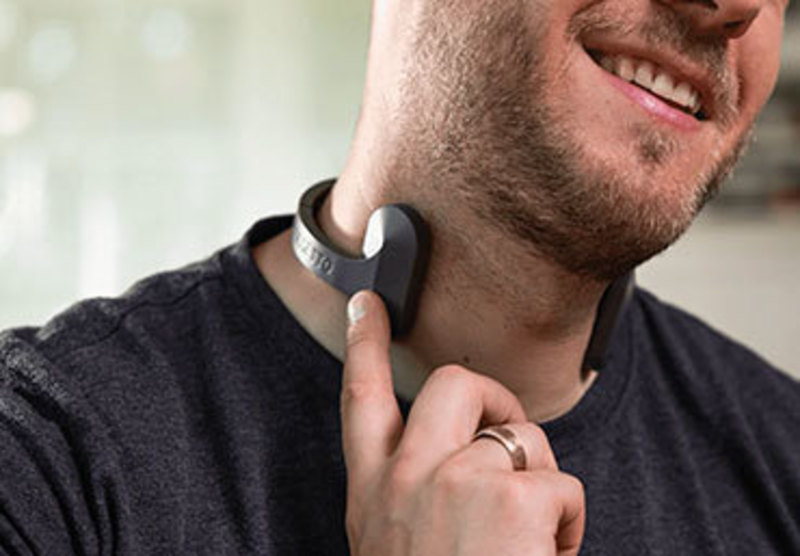
Yes. Pulsetto is made by UAB Pulsetto, a private company registered in Lithuania under company code 305911800, founded in Vilnius in 2021. So it’s a real business with a public registration and a traceable history, not a faceless storefront that appears and vanishes.
The Pulsetto brand has been selling since the company launched in Vilnius in 2021, it raised a €2 million round from a Lithuanian tech fund in 2025, and it’s picked up a German Design Award. You’ll also find it on retailer shelves like Selfridges, not just its own site.
That retail footprint matters for a scam check. Anonymous drop-shippers don’t get into Selfridges, don’t file with a national company registry, and don’t take outside investment. Pulsetto does all three.
What the ratings actually say
On Trustpilot, Pulsetto sits around 4.1 to 4.2 out of 5 across more than 3,000 reviews, with roughly 62% five-star and 16% one-star. That’s a big, mostly-happy base with a real, vocal minority, which is a more honest picture than a wall of flawless testimonials.
A few things to set straight, because they trip people up. There’s no Better Business Bureau letter grade for Pulsetto, which throws some buyers. That’s normal for a company based in Lithuania, not a red flag. The only BBB entry is a single Scam Tracker report, and even that one confirms the order shipped.
There’s also no confirmed official Amazon listing, so treat third-party Amazon sellers with caution and buy direct. One independent hands-on review scored it 7.8 out of 10, landing it as a solid wellness device rather than a medical one.
The real complaints, and what’s behind them
Read across Trustpilot and the complaint boards and the same handful of gripes come up, and the biggest one isn’t about the device at all. Here’s each one, and why it happens.
The app subscription charge. This is the most repeated complaint and the one that gets the word “scam” attached. At checkout, Pulsetto offers a free trial of its Premium app tier that converts to a recurring charge if you don’t cancel. Some buyers didn’t realize they’d opted in. It’s an aggressive direct-to-consumer tactic, not theft, and the fix is simple: decline the trial at checkout or cancel it right after, and watch your statement.
Refund pushback. A few buyers who asked for a refund inside the window say it took a second email to actually land. The money comes through, but the process isn’t always one-click.
Shipping delays. A minority report a slow or misrouted delivery, sometimes with a “quality check” hold. Annoying, but the orders arrive.
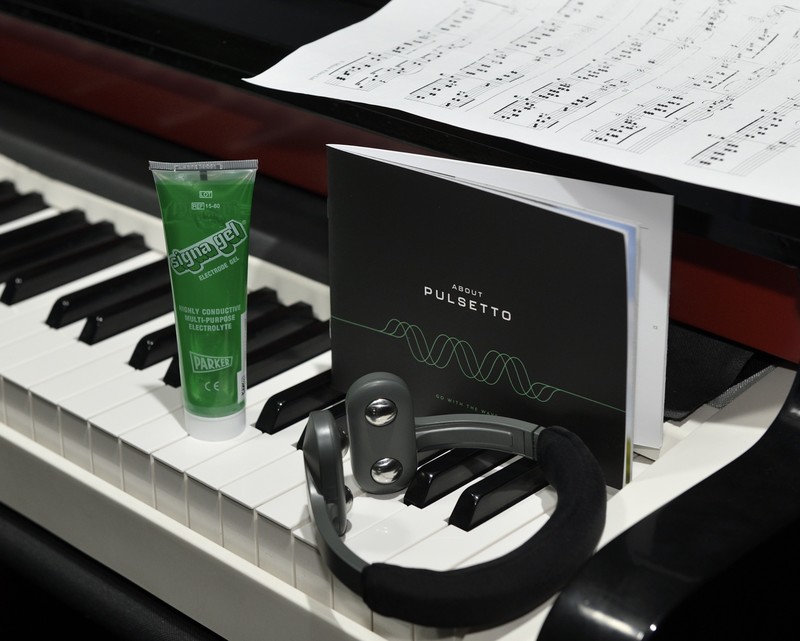
The ongoing gel cost. Pulsetto needs conductive gel for each session, and some owners find the replacement gel pricey. That’s a real cost-of-ownership gripe, not a fraud pattern.
“It did nothing for me.” A real minority feel no effect. That’s normal for any nerve-stimulation wellness device, and it’s exactly why the money-back window matters.
None of this is a fraud pattern. It’s the familiar friction of a viral direct-to-consumer brand, and every item on the list has a fix.
What the evidence does and doesn’t show
Be clear-eyed here, because it’s the fairest basis for skepticism. Pulsetto uses cervical vagus nerve stimulation, a method with some sham-controlled research behind it pointing to lower blood pressure and a calmer brain-wave pattern.
That research tests the approach, though, not the Pulsetto device specifically, and the company’s own device study is open-label. So treat it as a promising relaxation and sleep-support tool with a real mechanism, not a proven medical treatment.
It’s not FDA-cleared, and it’s sold as a general wellness device rather than a medical one. The honest read: the gap between the big marketing and the thin device-specific evidence is the real reason to go in with level expectations, which is different from calling it a scam.
Because it sends a gentle electrical current, it pairs best with a quick safety check first. If you have a pacemaker or another implanted device, our guide on who should avoid vagus nerve stimulation devices covers the short list so it slots into your routine safely.
What satisfied owners say
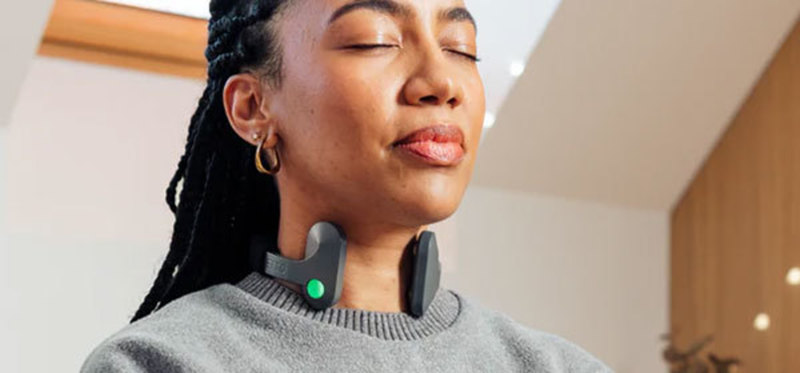
The happy majority keeps coming back to calmer evenings and easier sleep, which tells you more than any single star rating does.
“It does what it said it would and genuinely helps me fall asleep. I use the sleep program most nights now.”
“I was a skeptic. Five minutes on the stress setting and my shoulders drop. It has honestly improved my life.”
“The guided programs are the best part. It feels like a data-driven routine rather than a gimmick.”
The skeptic-turned-fan is the one I’d point a doubter to. Someone who expected nothing and changed their mind after a week is a more useful signal than a one-time five-star click. For the full breakdown of the evidence and who it’s really for, our Pulsetto review digs into the research and the honest limits.
How to buy so none of it lands on you
Four steps head off nearly every complaint we read.
Buy from the official store. That’s where the Pulsetto 30-day money-back guarantee and the 2-year warranty apply. A random third-party Amazon listing doesn’t carry either.
Decline the Premium app trial. If you only want the hardware, skip the free trial at checkout or cancel it straight after, and you avoid the recurring charge that drives the loudest complaints. Our guide on whether Pulsetto charges a monthly fee spells out exactly what’s optional.
Check the return window. The site lists a 30-day money-back guarantee, while a support page mentions 21 days, so confirm the current terms and keep your order confirmation email as proof of purchase.
Watch your first statement. One quick look at your card after ordering catches any trial charge while it’s still easy to reverse.
For whether the whole package is worth the money once you add the gel and the app tier, our honest take on whether Pulsetto is worth it runs the real cost of ownership, and if you’re still comparing options, the best vagus nerve stimulator roundup ranks it against the ear-clip Nurosym and the handheld Truvaga. More calming and sleep tools live in the sleep and wellness hub.
The bottom line
Pulsetto is legit. The company is real and registered in Lithuania, the device ships, and the complaints are the ordinary friction of a big direct-to-consumer brand: an opt-out app subscription, a little refund pushback, and an ongoing gel cost, every one of them avoidable.
Buy from the official store so the 30-day money-back guarantee has your back, decline the Premium app trial if you only want the hardware, and you get a calming, science-adjacent sleep tool with a real safety net if it isn’t for you.
See the Pulsetto price and 30-day guarantee