

The Japanese trick to fall asleep fast, the one filling up your feed, is really just slow, paced breathing with a longer exhale. There’s no lost samurai secret here, and knowing that is oddly freeing: it means the “trick” is something you can do tonight, for free, with no app and nothing to buy.
The reason it spreads is that it works often enough to feel like magic. Slow your breathing down and your body follows, whether you call it a Japanese method, a military method, or 4-7-8.
This guide breaks down what the technique actually is, walks through the two most reliable versions, and covers the one honest snag most people hit, plus the simplest way around it.
What the “Japanese trick to fall asleep fast” actually is
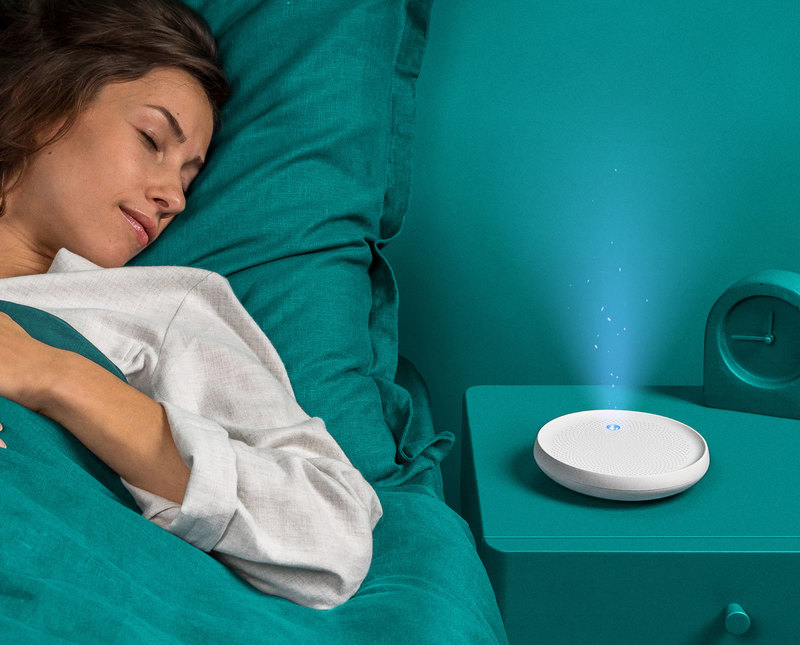
Strip away the branding and every version shares one move: you breathe slowly and make the exhale longer than the inhale, usually while relaxing your body from the face downward. That’s it. Some clips add a body-tensing step or a mental image, but the engine is always the slow, long-exhale breath.
So why does it get tagged “Japanese”? Mostly because a viral video said so. The same core method shows up under a dozen names, which tells you the country label is marketing, not mechanism.
That’s good news. It means you don’t need a special technique. You need to slow your breath and get out of your own way, and the two methods below are the cleanest ways to do it.
How to do the 4-7-8 breathing method
The 4-7-8 method is the most-cited version, and it’s a good place to start. Breathe in through your nose for 4 counts, hold for 7, and exhale through your mouth for 8 with a soft whooshing sound. Do up to four cycles, and the calming effect builds as you go.
It comes from Dr. Andrew Weil of the University of Arizona, who adapted it from pranayama, a yogic breathing practice. The long 8-count exhale is the active ingredient, so if the 7-count hold feels like too much at first, shorten it and keep the exhale the longest part.
One tip owners of this technique learn fast: rest the tip of your tongue on the ridge behind your top teeth throughout. It keeps the exhale smooth and gives your mind a small anchor so it wanders less.
The military method, step by step
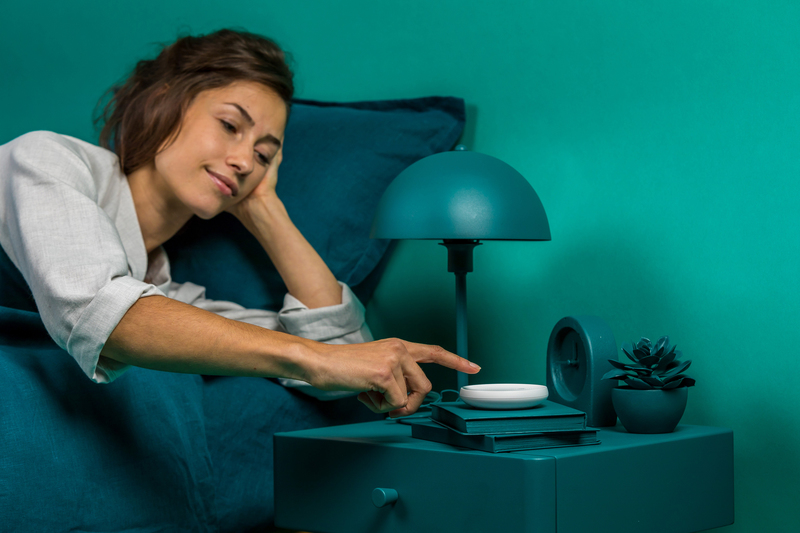
The military method pairs that slow breathing with head-to-toe muscle relaxation. It was taught to help aircrews fall asleep in loud, stressful conditions, and the claim is that with practice you can drop off in about two minutes.
Here’s the sequence:
- Relax your whole face, including your jaw, tongue, and the muscles around your eyes.
- Drop your shoulders as low as they’ll go, then let your arms go loose one at a time.
- Exhale slowly and let your chest sink, then relax your legs from the thighs down.
- Clear your mind for ten seconds. Picture a calm, still scene, or just repeat “don’t think” a few times if images won’t come.
Don’t expect night one to be the two-minute version. Like the breathing, it sharpens with regular nightly practice, and the muscle-relaxation habit is what makes the difference.
Why slowing your breath actually works
None of this is folklore. When you slow your breathing to roughly 6 breaths a minute with a longer exhale, you hit what researchers call the resonance frequency, and your autonomic nervous system tips toward its parasympathetic, “rest and digest” side.
In plain terms, your heart rate settles and your body reads the slow rhythm as a signal that it’s safe to power down. The extended exhale does most of that work, which is why every good version of the “trick” stretches the out-breath.
Honestly, that’s the whole secret. The techniques are just different packaging around one bit of physiology.
The catch, and the easy hands-free fix
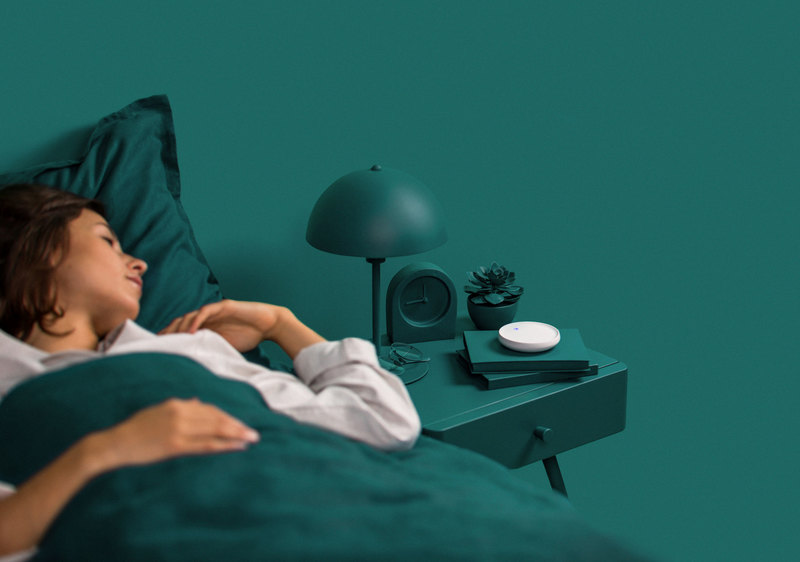
Here’s the snag nobody mentions: counting in your head can keep you awake. If you’re the type whose mind races at bedtime, the mental effort of tracking 4-7-8 becomes one more thing keeping you alert, and you lose the rhythm halfway through.
The fix is to stop counting and follow something instead. That’s exactly what the Dodow sleep light does: it projects a soft blue halo on your ceiling that slowly grows and shrinks, and you breathe in as it expands and out as it contracts. Over 8 or 20 minutes it winds the pace down from about 11 breaths a minute to 6, the same slow, long-exhale rhythm these techniques are chasing, without any math in the dark.
It’s not a cure and results vary from person to person, but it can help you fall asleep faster if a busy mind is your real problem. It runs on batteries, has no app, and comes with a 100-night money-back window bought direct, which makes it a low-risk way to test paced breathing before you commit to learning it by heart. Our Dodow review digs into the owner sentiment and who it suits, and how Dodow works explains the mechanism in full.
If you’d rather stick with the free methods, that’s a completely valid plan, start with how to fall asleep faster tonight for a wider set of habits, or see where a breathing pacer lands among the best sleep gadgets of 2026. Whatever you pick, the move is the same: slow the breath, lengthen the exhale, and let sleep come to you.