
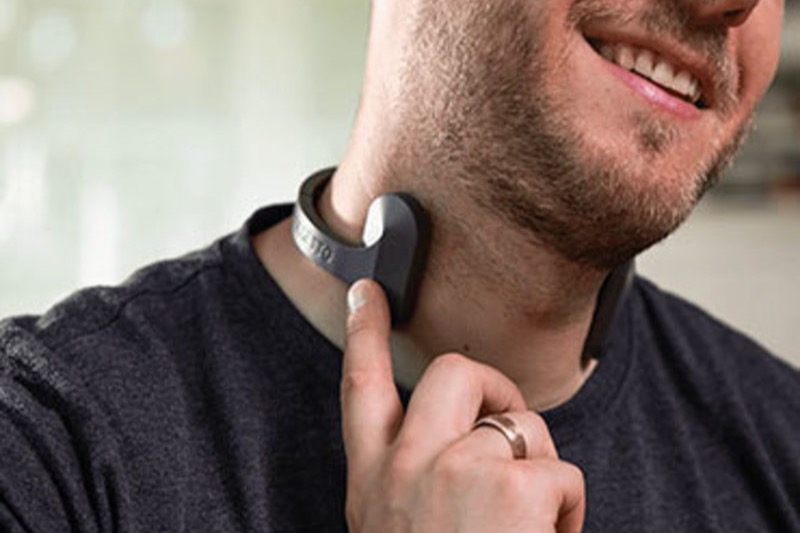
If you’re eyeing a Pulsetto, the two questions worth answering before you buy are what it might do to you and how much you should actually use it. The reassuring short version: the side effects are usually mild and brief, and the device is built for short daily sessions, not marathon ones.
Pulsetto is a neck-worn vagus nerve stimulation device, marketed for relaxation, stress, and sleep support. It runs short, app-guided programs rather than any kind of continuous treatment, and that design shapes both its side-effect profile and how long you should use it.
This guide covers the reactions people actually report, how long a session should run, and how often to reach for it, in plain English. It’s general wellness information, not medical advice.
What the side effects actually are

For external vagus nerve stimulation like Pulsetto’s, the reported side effects are usually mild and pass quickly once the session ends. This is a low-current device sitting on the skin of your neck, not an implant, and the safety reviews reflect that.
The most common reaction is minor skin irritation where the device makes contact. A pooled analysis of non-invasive vagus nerve stimulation found local skin irritation in about 18% of users, easily the most frequent effect, followed by a headache in roughly 3.6%.
Beyond those, some people notice light tingling at the contact points during a session, brief lightheadedness or dizziness, or a slight throat tickle or hoarseness, because the vagus nerve runs near the voice box. Rarer still, nausea and heart palpitations show up in under 1% of study participants.
The through-line is that these are minor and temporary. Research consistently describes external vagus nerve stimulation as safe and well tolerated at the doses studied, with side effects that end shortly after you stop.
How to keep side effects to a minimum
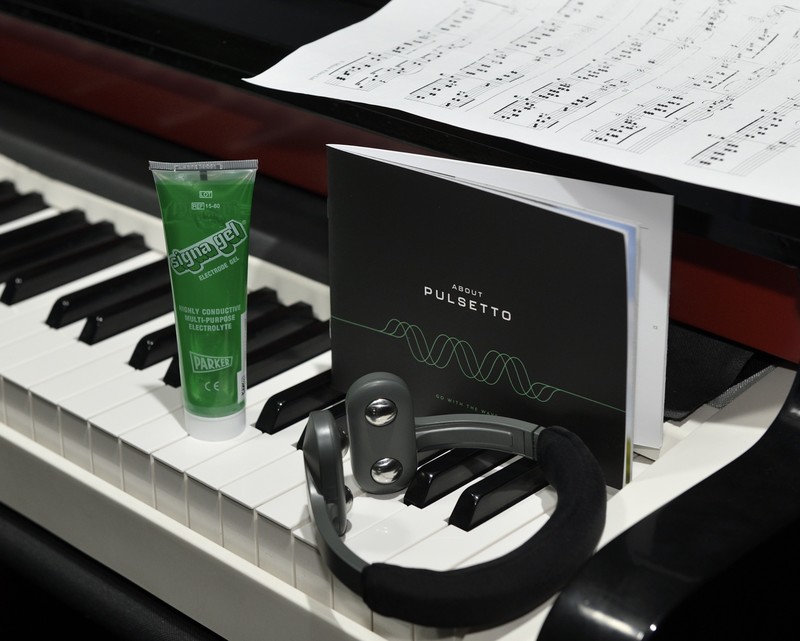
Most of the minor reactions have simple fixes. Skin irritation usually comes down to the contact points, so apply the conductive gel as directed, clean your neck first, and wipe the device after use. Dry contacts and skipped gel are the usual culprits.
Start on a lower intensity. The device lets you set the strength, and beginning gentle then working up avoids the tingling or headache that a too-high setting can trigger on day one. There’s no prize for maxing it out.
And do not stack it with other electrical-stimulation gadgets like a TENS unit at the same time, since running two together can interact unpredictably. If a session ever leaves you dizzy, stop and give it a rest.
How long each session should be
Here is the direct answer: short. Pulsetto’s programs are guided by the app and generally run about four to ten minutes each, and the sensible guidance is to keep any single session to that length rather than letting it run on.
That brevity is the whole design. A vagus nerve device is meant to deliver a short, targeted nudge to your nervous system, not a long soak, so one guided program does the intended job. Longer isn’t better, and it’s not recommended.
If the app offers different programs for stress, sleep, or focus, each is a self-contained short session. Pick the one that fits the moment rather than chaining several back to back.
How often to use it per day
The standard routine is once or twice a day. A single short session in the morning to set the tone, or one before bed to wind down, suits most people, and some do one at each end of the day.
What it’s not built for is all-day wear or running it for hours. Vagus nerve stimulators are designed for brief, regular sessions, and more use doesn’t add benefit, it just raises the odds of a minor headache or lightheadedness. Our guide on whether you can overdo vagus nerve stimulation digs into that ceiling.
Think of it like a daily habit with a cap: consistent short sessions beat occasional long ones, and the recommended routine is the maximum, not the floor.
How long to keep using it before you judge it
Some people feel a wave of calm within a session or two. But the honest expectation is to give it a few weeks of consistent daily use before you decide whether it works for you.
The evidence sits in that middle ground. Sham-controlled research on the neck-based stimulation Pulsetto uses measured real physiological changes, including lower blood pressure and more alpha-wave activity versus a control, and buyer reviews average around 4.2 out of 5 across more than 3,000 ratings. A minority feel little, which is normal for nerve-stimulation devices.
So treat the first few weeks as a trial run at the recommended once-or-twice-daily routine. Our full Pulsetto review walks through how the device performs over time, what the sessions feel like, and whether it earns its price.
A quick word on who should be careful
Side effects are one thing; contraindications are another. Pulsetto is a general wellness device, not a medical treatment, and a specific group should avoid it or clear it with a doctor first: anyone with an implanted electronic device like a pacemaker, anyone pregnant, and anyone with a seizure or fainting history, a heart-rhythm condition, or metal implanted near the neck.
If any of that describes you, the side-effect profile is beside the point until a doctor signs off. Our guide on who should avoid vagus nerve stimulation devices covers the full list, and how to stimulate the vagus nerve naturally offers no-device alternatives worth trying alongside or instead.
The short version
For most healthy adults, Pulsetto’s side effects are mild and short-lived, mostly a little skin irritation or the occasional headache that fades after the session. Keep sessions to their built-in length of about four to ten minutes, use it once or twice a day, and give it a few weeks before you judge it.
Used that way, short, regular, and gentle, it stays comfortably inside the low-risk zone the research describes. If you want the full performance picture before buying, read our Pulsetto review next, and if you’re still deciding whether it’s for you, is Pulsetto worth it weighs the value.