
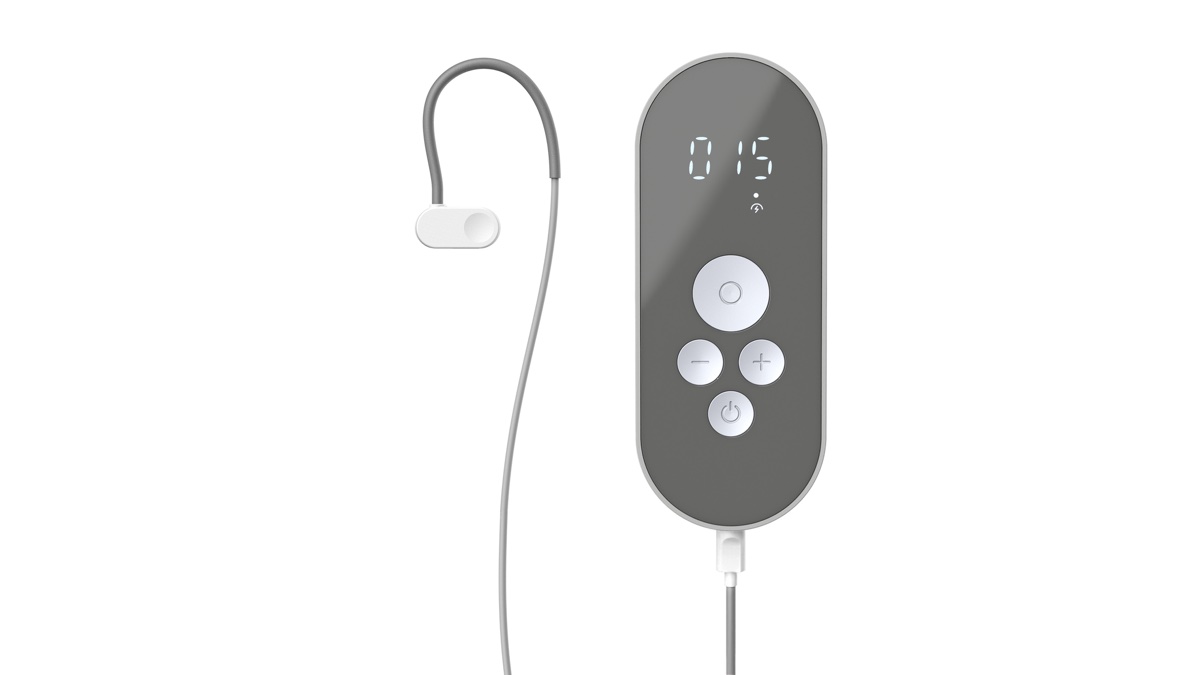
Nurosym is expensive because it’s priced as a certified medical device, not a wellness gadget, and it runs about $900 in the US. That’s roughly three times the cost of a consumer vagus nerve stimulator like the $269 Pulsetto.
That’s the short answer. The longer one is worth reading, because the price isn’t random and it isn’t a scam. You’re paying for specific things: a medical-device certification, patented hardware, and a real research file. Whether those things matter for you is the actual question.
Here’s exactly what that money buys, and where a much cheaper device covers the same everyday need.
How much does Nurosym actually cost?
Nurosym costs about $900 in the US, where it’s sold under the name NuroPod, and roughly £599 in the UK and €700 in the EU. It’s a one-time purchase, with no subscription to use it.
One detail trips people up: the US and UK prices aren’t a straight currency conversion. The same device is priced differently by region, and the US version is deliberately set higher. So if you’ve seen both “£599” and “$900” quoted, both are real, just for different markets.
For comparison, the Pulsetto vagus nerve stimulator lists around $269. That gap, close to $630 in the US, is what sends people searching for why.
What the price actually pays for
Here’s the honest, itemized version. Four things drive Nurosym’s cost, and they’re real.
It’s a certified medical device. Nurosym is a CE-marked Class IIa medical device in the EU. That’s a meaningfully higher regulatory bar than the $40 ear clips sold as “wellness” gadgets, and clearing it costs money that gets baked into the price. This is the single most defensible reason it’s expensive.
The hardware is more sophisticated. Nurosym uses patented, current-controlled stimulation, meaning it adjusts the output to your skin’s resistance to keep the dose steady. Cheaper voltage-controlled TENS-style units don’t do that, so their stimulation is less consistent. You’re paying for genuine engineering, not just a brand name.
There’s a real research base. The company points to a large body of clinical work behind its technology, and names institutions like Harvard and UCLA among its research partners. The exact study count varies by source, the company cites 60-plus, while independent reviewers more conservatively count 30-plus, so treat it as “a substantial research file” rather than one precise number.
It’s positioned as medical, not consumer. Nurosym markets itself to clinicians and patients as a medical-grade tool, and that positioning, support, and longer development history all sit inside the price.
So is it overpriced, or just expensive?
Here’s the honest take. The price is mostly real. Certification, current-controlled hardware, and a genuine research base aren’t cheap, and Nurosym isn’t inventing a premium out of thin air.
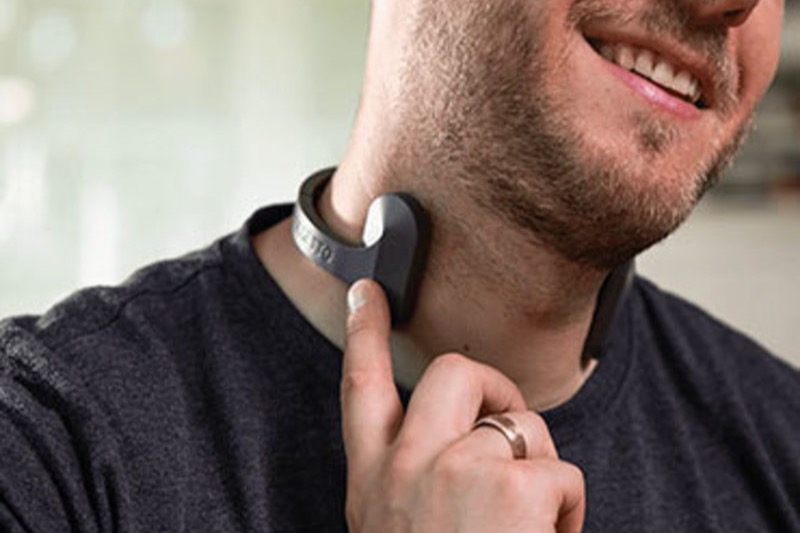
But “worth it” depends entirely on what you want. If you need a certified medical device with the deepest evidence file, that’s exactly what the money buys, and it’s a fair price for that.
If your goal is the everyday stuff, switching off after a stressful day, winding down for sleep, taking the edge off anxiety, then you’re paying a medical-grade premium for a job a consumer device also does. That’s where the cheaper option comes in.
The $269 alternative most people actually want
The Pulsetto is a neck-collar vagus nerve stimulator built for everyday calm and sleep, and it costs about $269, roughly a third of the US Nurosym price.
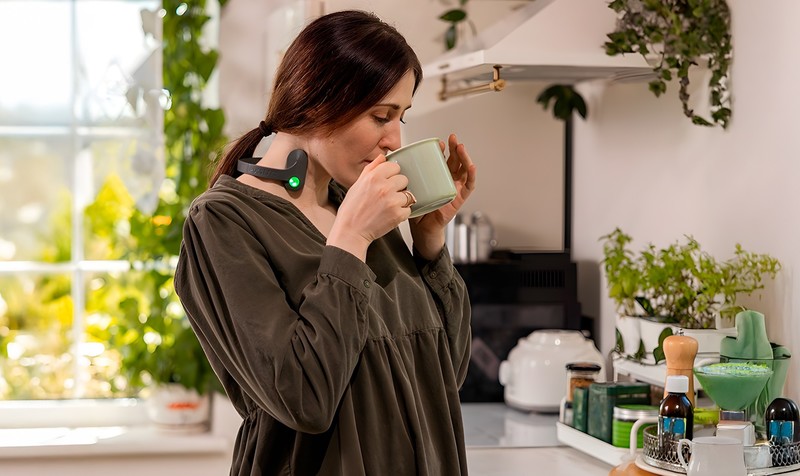
It also asks for far less of your day. Pulsetto sessions run 4 to 10 minutes, versus the 30 to 60 minutes Nurosym typically wants, which for a daily habit is the difference between something you keep doing and something you don’t. It’s backed by a 2025 randomized pilot study, with sham-controlled trials registered, and it averages about 4.2 out of 5 across more than 3,000 Trustpilot reviews, so plenty of people are sticking with it.
What Pulsetto doesn’t have is Nurosym’s medical-device certification or its larger research file. That’s the real trade: less clinical standing, most of the everyday benefit, a third of the price. For the full breakdown of how they stack up on evidence, session length, and value, our Pulsetto vs Nurosym comparison lays them side by side.
The bottom line on Nurosym’s price
Nurosym is expensive because it’s a certified, current-controlled medical device with a real research base, priced around $900 in the US. That’s a fair price for what it is, and if medical-grade standing is what you’re after, it earns it.
For everyone whose goal is simply to feel calmer and sleep better, the math changes. A $269 device like Pulsetto covers that everyday need in a few minutes a day, and our guides on whether Pulsetto is worth it and whether Pulsetto really works dig into that case, alongside the full field in our best vagus nerve stimulator roundup. Treat these as relaxation and sleep-support tools, and buy the one whose price matches the job you actually need done.